4 Common Mistakes in Making Mashed Potatoes: How to Achieve the Perfect Texture.

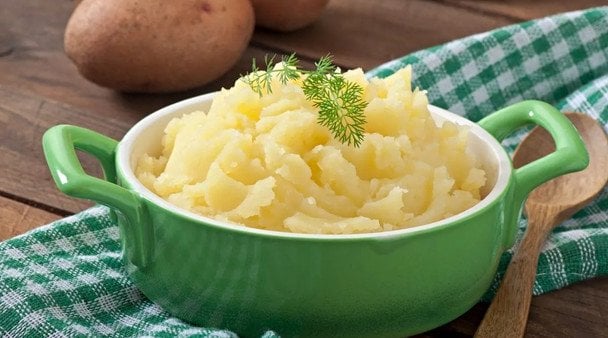
According to ТСН: Making mashed potatoes may seem like a simple task, but often the result is not what was expected. To achieve the ideal lightness and airy consistency, it is important to know a few key nuances that arise during the boiling of potatoes.
The flavor and texture of your mash depend on following basic principles.
Why Potatoes Should Be Boiled Whole
Many people make a mistake right from the start by cutting potatoes into pieces. This leads to the loss of starch and flavors that are washed away into the water, making the taste less rich.
For the best result, it's worth boiling potatoes whole — either with skin or peeled, but without cutting. A whole tuber retains beneficial nutrients inside, allowing for a light and resilient mash that holds its shape well on the plate after mashing.
The Correct Calculation of Water
The amount of water is crucial for the flavor of the dish. If there is too much water, it can wash away flavor components from the potatoes.
It is optimal to use just enough water to cover the tubers by about 1.5–2 centimeters. This approach creates a cooking effect close to steaming. It's also important to use an appropriately sized pot, as a container that is too large for a small amount of potatoes can make the mash runny.
When to Add Salt
Adding salt at the beginning of boiling negatively affects the texture. In cold water, salt can break down pectin and the cell structure of the tuber, causing starch to be released and the potatoes to lose their shape.
It is recommended to add salt at the end of cooking when the potatoes are easily pierced with a knife. This ensures even distribution of flavor while maintaining structural integrity and preventing excess moisture.
Temperature Regime and Heating Speed
The correct temperature regime and cooking speed determine what consistency you will achieve. Potatoes do not like slow heating as it activates enzymes that degrade texture.
It is better to pour the tubers with hot water, which speeds up the process. Boiling should take place at a stable and moderate simmer. Such even heating helps retain the natural thickener — protopectin — and protects starch from destruction. This allows for a velvety and airy mash instead of a sticky one.
True mashed potatoes, made with consideration of all these nuances, become a self-sufficient dish that does not require the addition of sauces. Understanding how to handle the product and accuracy in timing turn an ordinary side dish into a delicate culinary masterpiece.
Read also
- Ukrainian Star Pavlo Zibrov Celebrates First Strawberry Harvest from His Kyiv-Area Garden
- Beat the Heat on the Subway: A Train Operator Reveals the Coolest Spot in the Car
- Summer’s Hottest Micro-Trends: Balloon Skirts, Capri Pants, and Fringe Make a Comeback
- Tarot Warns of Challenges Until June 15: Which Zodiac Signs Are Most at Risk
- The Cloud Cut: Summer 2026’s Most Versatile Hair Trend That Suits Almost Everyone
- Evergreen Charm All Year Round: Why Golden Euonymus Fortunei Shines in Any Garden