5 Common Mistakes in Preparing Aspic: Why the Jelly Doesn’t Set.

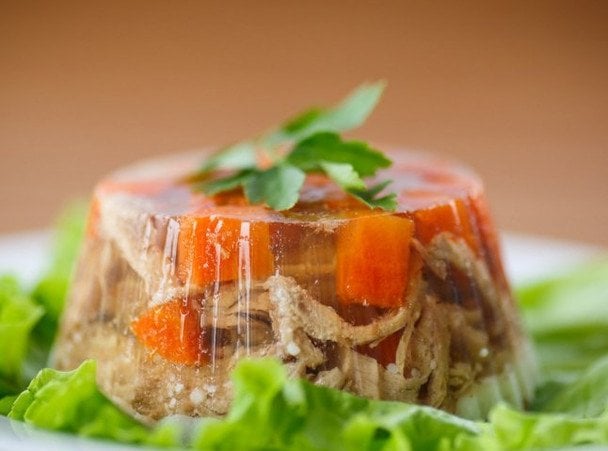
According to ТСН: Preparing aspic is a true art, where simple ingredients come together to create a transparent and elastic jelly. However, this process can be complicated: one mistake can turn the dish into an unappetizing mass that doesn’t set. To make your aspic perfect, it’s important to be aware of the most common mistakes that can happen even to experienced cooks.
Common Mistakes in Preparing Aspic
The Most Common Mistake: Adding Water
One of the most common mistakes in preparing aspic is trying to add water when some of the broth has already evaporated. Adding cold water decreases the concentration of collagen, causing the dish not to set without gelatin.
The right approach: pour water over the meat with a reserve (5–7 cm above the ingredients). If the liquid evaporates too quickly, the heat is likely too strong. In extreme cases, you can add a bit of boiling water, but it’s better to maintain a barely noticeable simmer.
Using Only Lean Meat
A common mistake is preparing aspic only with dietary fillet. Meat alone does not ensure setting; that’s the job of collagen. The ideal ratio is 70% bones and parts rich in collagen, and only 30% meat for flavor.
Insufficient Preparation of Meat and Bones
Insufficient preparation of the ingredients can lead to cloudy broth with sediment. A simple rinse is not enough; particles remain on the surface that form gray flakes during boiling.
For a clear broth, clean the feet thoroughly, removing the skin with a knife. Soak the meat parts in cold water for a few hours or overnight in the refrigerator to remove any blood residues.
An important step: after the first 15 minutes of boiling, drain the broth, rinse the meat and pot, and then fill with clean water for the main boil – this way you will achieve a transparent and appetizing jelly.
Allowing the Broth to Boil Vigorously
Strong boiling can lead to cloudiness. If the broth is boiling fiercely, fat mixes with proteins, creating an emulsion. The proper aspic should only 'smile' – the surface of the water barely moves. Also, drain the first broth after 15 minutes of boiling and rinse the meat.
Adding Bay Leaf at the Beginning of Boiling
Many people make the mistake of adding bay leaves at the beginning of boiling. This spice can impart bitterness and a sharp aroma during long boiling, overshadowing the taste of the meat. To preserve the delicate flavor, add 1–2 leaves 10–15 minutes before cooking is complete.
Also, tie the leaves to the handle of the pot with clean thread for easy removal without fishing them out of the hot broth.
Adding Garlic Directly into the Pot During Boiling
Adding garlic during boiling is a common mistake that takes away the freshness of the aroma. It’s better to add garlic to the finished and cooled broth before pouring into molds or rub the walls of the dish with cloves for flavor.
Salting at the Beginning
Salting the water at the very beginning often leads to oversalting the dish. Since aspic cooks for a long time, the liquid evaporates, and the salt concentration becomes critical. It’s best to add salt half an hour before readiness, always tasting the broth to ensure it’s just a bit over-salted.
Leaving Cooked Vegetables and Greens in the Aspic
Using the same vegetables with which the aspic was cooked to garnish is a big mistake. Cooked onion or greens can shorten the shelf life of the aspic and lead to fermentation. This affects the quality, and the dish spoils quickly.
The right approach is to discard the vegetables after boiling and use fresh boiled carrots or fresh parsley leaves for decoration. They will maintain the transparency of the dish and its freshness for a long time.
Therefore, preparing the perfect aspic is not only about lists of ingredients but also about adhering to culinary technology. Your patience and discipline at every stage play a crucial role.
The success of the dish depends on a few basic rules:
- Balance of components: it is important to maintain the correct ratio of meat and collagen-rich bones.
- Temperature control: simmering on low heat without adding water.
- Cleanliness: thorough soaking of the meat and changing the first water after boiling.
- Timely accents: adding salt, bay leaf, and fresh garlic at the final stage.
By following these simple principles, you will be able to avoid the use of artificial gelatin. Real aspic sets thanks to the strength of long simmering and understanding of culinary nuances.
Read also
- Kyiv Region Braces for a Warm June 11: Temperatures Set to Reach +28°C
- A Simple Zucchini and Eggplant Stew Recipe from 'Tasty Bites'
- A Festive Drink Made from Tea Rose Petals: An Easy Recipe for Your Holiday Table
- A Surprising Twist on Crab Stick Salad: One Unlikely Ingredient Transforms the Flavor
- Unique Venus-Jupiter Conjunction: One Zodiac Sign Gets a Rare Opportunity Until June 14
- Short Nails Look Longer with the Italian Manicure: How This New Beauty Trend Works