January Flower Sowing: 7 Plants to Plant Now.

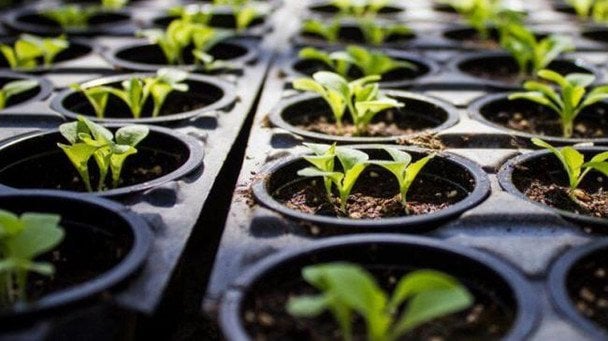
According to ТСН: January is the time for sowing flowers, allowing you to enjoy their blooming early in the summer. Many ornamental plants require a long growing season (4-6 months), so it is important to start the work early for the plants to strengthen before being planted outdoors.
Top-7 Flowers for January Sowing
These ornamental cultures develop slowly, so it is advisable not to delay the start of work:
Eustoma. This beauty has the longest growing period. From the moment of sprouting to the delicate buds, it can take up to nine months, so it should be started as early as possible.
Shabo Carnation. This plant needs about half a year of care at home to strengthen before being planted in the garden. It is important to remember to provide moderate coolness for the seedlings.
Ever-blooming Begonia. Although it grows slowly, starting in January allows for a lush bush that is ready to bloom by the end of spring.
Pansy. Generally, it needs about three months to reveal its first flowers. By sowing it at the beginning of winter, you can improve flowering and propagate the variety through cuttings.
Pelargonium. This popular plant takes about 120 days for full development, so January sowing will ensure colorful blooms on balconies and windowsills at the beginning of the season.
Salvia (Shiny Sage). Bright inflorescences appear 90-120 days after sowing, so January is the optimal moment to create the future flowerbed.
Lobelia. It starts to please the eye just two and a half months after sprouting. Its tiny seeds are simply scattered on the surface of the soil without covering.
Preparation and Sowing Nuances for January Flowers
The path to an ideal flowerbed starts with careful preparation, as high-quality soil and proper seed processing form a strong immunity for future plants.
Firstly, seed preparation for awakening is key. Some perennial cultures, such as delphinium, primrose, or lavender, require stratification. For this, seeds are kept in moist substrate or on a napkin in the refrigerator for three to four weeks. Other plants respond well to soaking in solutions of modern growth stimulators, which helps to get sprouts faster.
Secondly, the choice of substrate is important. The soil for seedlings should be light and 'breathable' so that the roots do not feel resistance. An optimal mixture of peat, perlite, and vermicompost will be ideal.
Thirdly, there is a proven 'snow method', which simplifies working with small seeds. A thin layer of snow is spread over the surface of the soil in the container, and seeds are evenly distributed on top; the melting snow sinks them into the soil to the ideal depth.
Seedling Care
Seedling care requires creating optimal lighting and temperature conditions for healthy growth.
Due to the short daylight in January, it is necessary to use phytolamps to provide the plants with adequate light for 12-14 hours a day. The optimal temperature for seedlings is 22-25 degrees. It is also important to ventilate the containers with seedlings and wipe off condensate from the lids.
Watering should be moderate and careful not to damage the delicate roots. To prevent diseases, it is recommended to add preparations like phytosporin to the water.
When the plants show two or four true leaves, it is time to thin them into separate pots, slightly pinching the main root to stimulate the growth of lateral roots. Two weeks before the planned transfer to the flowerbed, it is necessary to start hardening outdoors.
With the start of January, gardeners can begin an important preparation stage for the new season. Proper flower sowing at this time is the guarantee that they will delight with bright blooms in spring, bringing joy and beauty. Don’t delay, as your efforts at the planting stage will pay off with bright colors in the flowerbed!
Read also
- Kyiv Region Braces for a Warm June 11: Temperatures Set to Reach +28°C
- A Simple Zucchini and Eggplant Stew Recipe from 'Tasty Bites'
- A Festive Drink Made from Tea Rose Petals: An Easy Recipe for Your Holiday Table
- A Surprising Twist on Crab Stick Salad: One Unlikely Ingredient Transforms the Flavor
- Unique Venus-Jupiter Conjunction: One Zodiac Sign Gets a Rare Opportunity Until June 14
- Short Nails Look Longer with the Italian Manicure: How This New Beauty Trend Works