Experts named the ideal temperature for the boiler: how much can be saved.

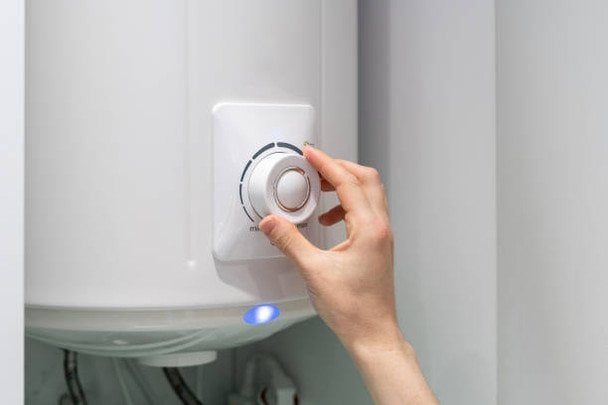
According to ТСН: An electric boiler is an efficient way to obtain hot water, but it often consumes a lot of energy in the house. An incorrect choice of temperature can lead to high electricity bills, rapid wear of parts, and inconveniences during water procedures. To use the appliance efficiently and extend its lifespan, it is important to understand its operating principles and know how to choose the heating mode correctly.
How temperature affects electricity consumption
Water temperature directly affects electricity consumption. Every degree requires additional energy. If the difference between the temperature of cold water and the temperature of the boiler is too large, the appliance has to work more and harder.
The difference between a moderate setting of 60 degrees and a high one of 70 degrees will impact your budget. By reducing the temperature by just 10 degrees, you can significantly save over the month. The boiler operates cyclically, and if the liquid inside becomes too hot, it consumes more energy to maintain the temperature.
The higher the temperature, the faster the water loses heat, causing the automation to activate heating more frequently, which reflects on expenses.
Impact of high temperature on the appliance's operation
Heating water to maximum temperatures such as 70 or 80 degrees increases the load on the boiler. The heating element operates longer to reach the set temperature, accelerating its wear.
Limescale becomes an enemy to the boiler's parts — deposits of calcium and magnesium salts, which form more actively at high heating.
There are several technical issues that may arise from using the appliance at maximum capacities:
Limescale reduces efficiency: the sediment blocks heat transfer, resulting in the boiler needing more time and energy to heat.
Risk of premature burnout of the heating element: an overheated heating element may break faster due to constant thermal pressure.
High temperature causes accelerated corrosion: this increases the risk of cracks and leaks, which could ultimately lead to the necessity of purchasing a new appliance.
Operating at the edge of technical abilities creates additional strain on the system, often resulting in expensive repairs or boiler replacement.
What temperature to set on the boiler
According to manufacturers' recommendations and health organizations, the optimal temperature range for the boiler is 50–60°C. This allows for a balance between energy savings and safety — temperatures above 50°C prevent the growth of legionella bacteria and reduce limescale formation.
A temperature of 50 degrees is quite sufficient for a comfortable shower or washing dishes, and the process of limescale formation occurs significantly slower. Also, the heating element operates in a calm mode, extending the equipment's lifespan.
For large families, raising the temperature to 60 degrees can provide a larger reserve of hot water, reducing the need for frequent heating.
Remember that when using mechanical regulators, the readings may be approximate. It is advisable to check the actual water temperature to understand whether it meets your needs.
Choosing a comfortable temperature
When setting the temperature for the boiler, it is important to find a balance between savings and comfort. Each family has its habits: some prefer long hot showers, while others use water only for normal household needs.
For a comfortable shower, 37–40 degrees is usually sufficient, while for washing dishes — 45 degrees, making 50 degrees the optimal value. This way, you can achieve the ideal temperature by mixing hot water with cold.
There is no sense in heating water to the maximum. The best way is to experiment with the temperature. Try setting it to 50 degrees and observe the comfort of use. If everything is satisfactory, you have found the optimal mode; otherwise, the settings can always be adjusted.
What to pay attention to for maximum savings
Setting the temperature within 50 or 60 degrees is a quick way to reduce electricity expenses. To achieve the best results, it is recommended to approach this issue comprehensively:
Regularly clean the appliance from limescale, as even small deposits can increase energy consumption by 10-15%.
Replace the magnesium anode in a timely manner since its wear may lead to corrosion and leaks.
Insulate pipes to preserve heat, especially if the boiler is located far from the bathroom or kitchen.
Use timers or smart plugs to set the heating time.
When purchasing, choose a boiler with the optimal volume for your needs to avoid energy waste on overheating excessive water.
Combining moderate heating with careful treatment of the boiler will significantly save energy costs already in the next month.
Read also
- Kyiv Region Braces for a Warm June 11: Temperatures Set to Reach +28°C
- A Simple Zucchini and Eggplant Stew Recipe from 'Tasty Bites'
- A Festive Drink Made from Tea Rose Petals: An Easy Recipe for Your Holiday Table
- A Surprising Twist on Crab Stick Salad: One Unlikely Ingredient Transforms the Flavor
- Unique Venus-Jupiter Conjunction: One Zodiac Sign Gets a Rare Opportunity Until June 14
- Short Nails Look Longer with the Italian Manicure: How This New Beauty Trend Works