Japan will be without pandas for the first time in 50 years: China is returning the symbol of friendship.

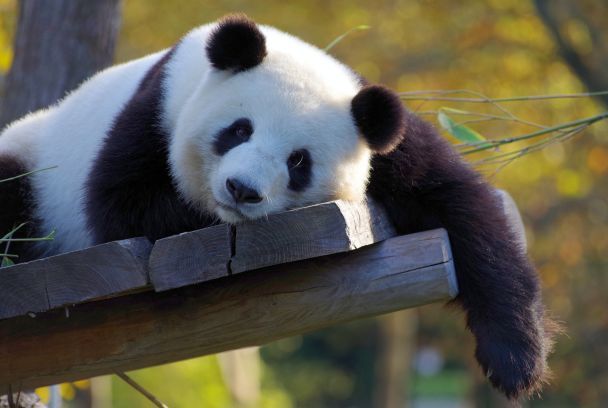
According to ТСН: Japan will be without giant pandas for the first time since 1972 – the symbol of friendship between Tokyo and Beijing. The last two pandas living in the country will be returned to China.
The Tokyo government announced this. The two pandas in question are twins Xiao Xiao and Lei Lei, currently residing at Ueno Zoo in Tokyo. The animals are expected to be sent back to China by the end of January.
Previously, local authorities negotiated with China about extending their stay or possibly acquiring new pandas. However, the animals' stay has been shortened by a month due to the schedule for the opening of the new giant panda reception center in China. Currently, there are no prospects for acquiring new animals, as the Chinese side has not provided any responses regarding further agreements.
Japan without pandas for the first time in 50 years
The return of Xiao Xiao and Lei Lei, who were born in Tokyo in 2021, will be the first case in over 50 years where Japan will be without pandas.
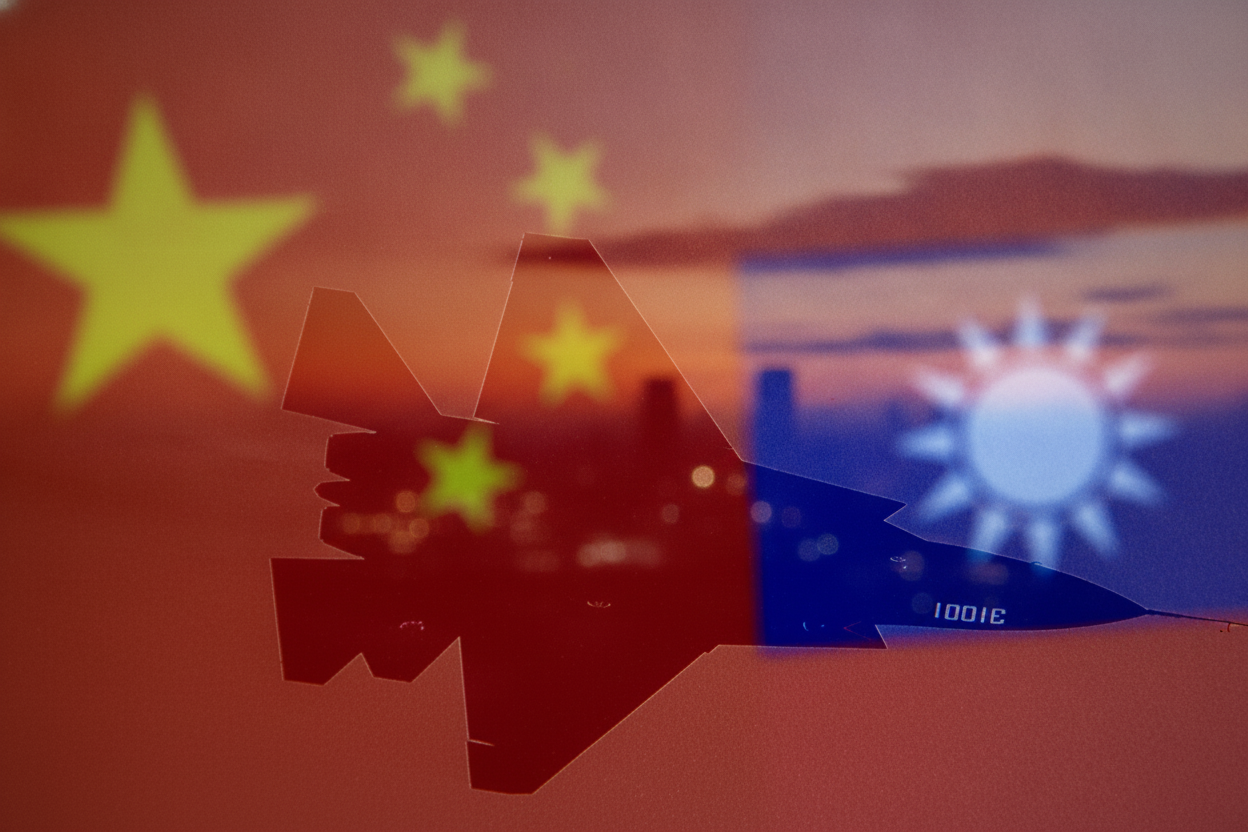
This decision comes amid rising tensions between Japan and China, related to Prime Minister Sanae Takahichi's statement last month about Japan's possible involvement in case of a crisis around Taiwan.
The history of pandas in Japan
Pandas first appeared in Japan in 1972 after the normalization of diplomatic relations between Tokyo and Beijing. Since then, 'panda diplomacy' has become an important part of efforts to preserve this species. All pandas, including those born in Japan, are legally owned by China.
In September last year, pandas Ri Ri and Shin Shin, a famous pair from Ueno Zoo that had offspring including Xiao Xiao, Lei Lei, and Xiang Xiang, who was also sent back to China in 2023, returned to China. In June this year, four pandas were returned from Adventure World park in Wakayama Prefecture after their contract ended.
Recently, Chinese authorities expressed readiness to consider the possibility of sending new pandas to Japan. In April, a spokesperson for the Chinese Foreign Ministry stated that Beijing supports Japan's interest in international cooperation in preserving giant pandas.
Ueno Zoo hopes for further cooperation with China and wishes to continue receiving pandas. At the same time, the administration expects a decrease in visitors after the animals leave, as the twins are the most popular residents of the zoo.
Visitors to the park will still have the opportunity to see Xiao Xiao and Lei Lei in a queue system, but with a daily limit. After the pandas leave, viewing will only be possible by prior reservation—up to 4,800 people per day. During the period from January 14 to 25, the last 12 days before their departure, access will be provided through a lottery.
It is expected that around 180,000 people will visit the zoo before the animals return to China.
Let’s recall that previously there was talk about the oldest triplet pandas in the world—Men Men, Shuai Shuai, and Ku Ku, who celebrated their birthday with a favorite bamboo cake.
The return of the pandas to China highlights the complexity of diplomatic relations between Japan and China. The absence of pandas will be felt culturally and touristic for Japan, as these animals not only attracted visitors' attention but also became a symbol of friendship between both countries. Hopes for a new agreement with China may preserve this cultural tradition in the future.
Read also
- Ukrainian Drones Stall Russian Army's Advance on Kupiansk Front: No Positions Lost
- IAEA Demands Iran Report on Uranium Stockpiles, Backed by U.S. and European Powers
- Germany’s Admiral Explains Why Ukraine Now Leads the World in Defense Innovation
- Ukraine Faces Record Night Attack: 221 Drones and Iskander Missiles Launched
- Zaporizhzhia and Sumy Under Russian Attack: Eight Wounded, Hundreds of Structures Damaged
- China Deploys HIMARS for the First Time Toward the Taiwan Strait: Exercise Breakdown