How Japan Masters Compact Living: Comfort in 25 Square Meters.

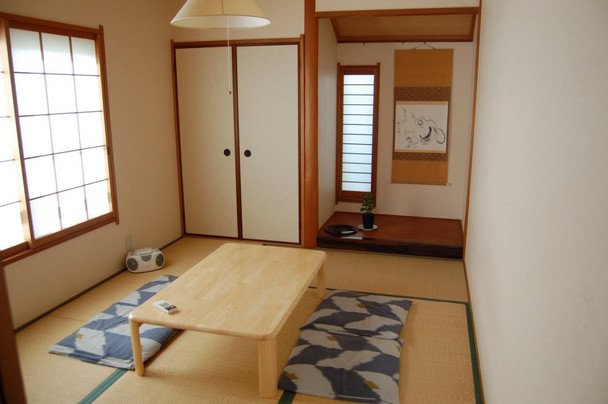
Space Optimization in Japanese Homes
According to TSN.ua: In Japan, where the average Tokyo dwelling is a mere 25 square meters, space optimization is a critical skill. Tiny studios of 15–20 square meters are commonplace, and the Japanese have developed unique approaches to furnishing small living areas. Their philosophy centers on several key principles:
- minimalism
- functional zoning
- vertical storage
- transformable furniture
- the intentional use of empty space
- the strategic role of light and color
For the Japanese, minimalism is not just an aesthetic choice but a necessary tool for living well within tight confines. The principle of 'only what is necessary' becomes paramount, encouraging residents to keep only essential items and thus avoid clutter. Clear functional zoning, where each area serves a distinct purpose, further enhances livability.
Japanese homes make extensive use of built-in storage systems that reach from floor to ceiling, maximizing vertical space. The traditional Japanese futon mattress is emblematic of this approach; it can be rolled up after sleeping and stored away in a closet. Transformable furniture, which can change function based on need, complements the concept of a low visual horizon to make spaces feel larger.
The Role of Emptiness and Color in Japanese Design
In Japanese design, emptiness—or 'ma'—plays a vital role. It is not perceived as a lack, but rather as an element that brings calm and harmony. The use of light colors like white and beige in interior design also helps create a sense of spaciousness and lightness. This approach demonstrates how limited space can be used optimally while maintaining comfort and aesthetic appeal.
Space optimization in Japanese homes is a direct response to the challenges faced in densely populated cities. These methods not only improve quality of life under constrained conditions but can also serve as a model for other nations where housing space is becoming increasingly scarce. Given global urbanization trends, Japan's experience offers valuable insights for developing new housing standards in metropolitan areas worldwide. For Western audiences accustomed to larger homes, these principles provide clever ideas for decluttering and maximizing efficiency in any space.
Read also
- She Spent $35,000 Fixing Up a Rental She Doesn’t Own: One Tenant’s Story
- A Simple Summer Salad with Young Cabbage and Cucumbers: Recipe from 'Kitchen with Marina'
- When the Sun Stands Still: Summer Solstice 2026 Date, Traditions, and What to Expect
- Boost Your June Garlic Harvest: Essential Fertilizers for Bigger Bulbs
- Egg-Stuffed Potato Baskets: A Simple Recipe from the 'Kitchen with Maryna' YouTube Channel
- Tarot Warns of Financial Pitfalls: Zodiac Signs That Must Stay Cautious This June