Up to 3 Liters of Birch Sap Per Day: How to Tap Without Harming the Tree.

Key Rules for Collecting Birch Sap
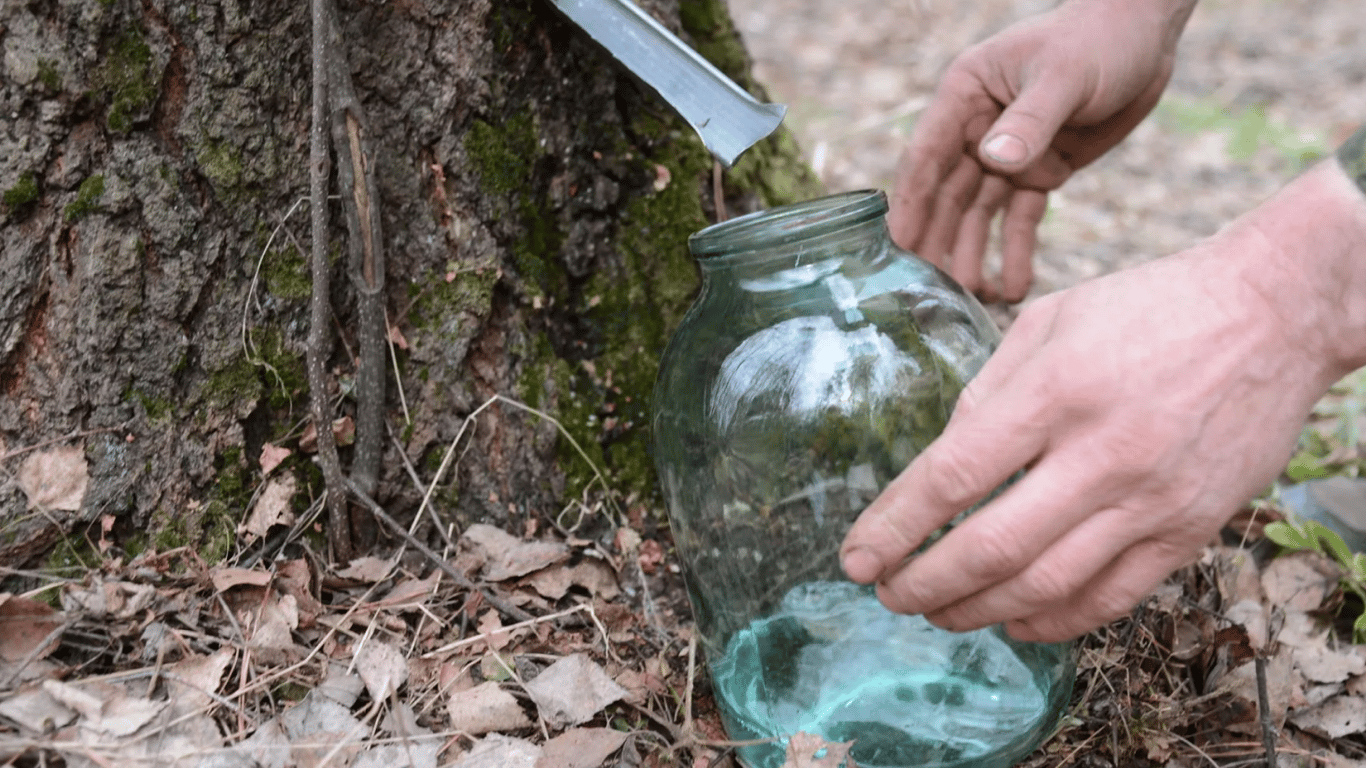
According to Novyny.live: Birch sap collection is growing in popularity, and this guide covers the essential guidelines for selecting trees, estimating yield, and protecting tree health. A single large birch can provide up to 2–3 liters of sap daily, making it a rewarding activity for fans of natural beverages. Over an entire season, one birch may yield around 50 liters of sap, highlighting the tree's generosity.
How to Choose the Right Birch Tree
Not every birch is suitable for tapping. The best candidates are healthy specimens with a sufficiently thick trunk. Typically, sap is collected only from trees that are at least 15 years old. This ensures the birch can replenish its reserves after tapping.
The tapping process requires careful attention to detail. To create a collection hole, you must follow specific parameters:
- hole diameter: 1–1.5 cm;
- hole depth: 3–5 cm;
- hole height: about 1–1.5 meters above the ground.
These measurements make sap collection easy while minimizing risk to the tree.
After collecting the sap, it is crucial to properly seal the hole to avoid harming the birch. Use a wooden plug to close the opening, and treat the area with garden wax or a mixture of clay and lime. This prevents infections and supports the tree's long-term health.
Tapping birch sap is both an enjoyable and responsible activity. By following these recommendations, you can enjoy a natural drink without damaging the environment.
The rising interest in birch sap collection reflects a broader shift toward natural products and eco-friendly food practices. This process not only yields a delicious beverage but also fosters awareness about preserving nature. A responsible tapping approach helps maintain the ecosystem and ensures the forest's resources remain sustainable for years to come.
Read also
- Wasting Money on Fuel? 6 Fuel-Saving Myths That Don't Actually Work
- Influencers Are Bringing Back Statement Tees: The Prints Dominating Summer 2023
- A Quick 20-Minute Red Currant Jam Recipe You’ll Love
- July 2026: Ukrainian Gardeners Advised to Plant Peas for a Second Harvest
- Why the Capri Bob Is the Must-Have Haircut of Summer and Who Should Try It
- Why Green Onions Turn Yellow and Stop Growing: The Cause and a Simple Fix