The Science Behind Your Cat's Water-Dipping Paw: Sensory Exploration and Stress Relief.

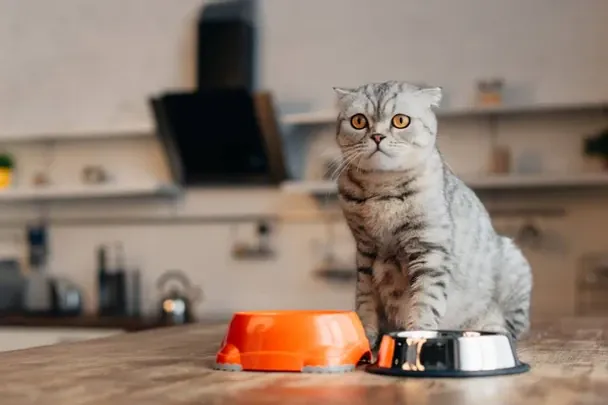
Understanding Feline Water Fascination
According to TSN.ua: Our enigmatic feline companions often exhibit a peculiar behavior: dipping their paws into water. This action stems from a complex interplay of their unique physiology and psychology. This article explores the motivations behind this common feline habit and its impact on their well-being.
First, it's crucial to understand that a cat's paw pads are incredibly sensitive, containing up to 200,000 nerve endings. This allows them to perceive minute differences in texture and temperature with great precision. Furthermore, cats typically show a preference for cool, but not icy, water, which may relate to their desire for comfort and a refreshing sensation.
The Psychological Benefits of Water Play
Beyond physical reasons, there are significant psychological factors. Research conducted by Cornell University demonstrated that manipulating water helps cats achieve a calmer state, confirming a soothing effect. In cases where cats were prevented from touching water with their paws, their cortisol levels—a key stress hormone—rose significantly.
Interestingly, 44% of domestic cats perceive their water bowl as a playful arena. This likely connects to their natural instincts for play and environmental investigation. Cats frequently use their paws as highly precise tools for manipulation, echoing their ancestral fishing instincts and need for physical activity.
Therefore, paw-dipping is more than a quirky habit; it serves as a vital activity that fulfills both physical and psychological needs. This process can help cats reduce stress and provide mental stimulation. For cat owners, recognizing this behavior is key to understanding their pet's complex nature and ensuring their comfort.
Comprehending this aspect of feline behavior is important for their overall welfare. Owners can foster a positive environment by ensuring access to fresh water and incorporating water-based play elements. Such measures can lower stress levels in animals, which is particularly crucial for cats sensitive to changes in their surroundings. Observing your cat's interaction with water can offer valuable insights into its emotional state and preferences.
Read also
- Chocolate Cake with Nut Caramel: A Recipe from Gospodynka
- 5 Key Composting Mistakes That Prevent Decomposition and How to Fix Them
- Perfect Cherry Compote Recipe Revealed: Exact Sugar and Berry Quantities
- 2026 Hair Trends Bring Back the 80s: Volume, Curls, and Princess Diana-Inspired Cuts
- Princess Diana’s Favorite Wedge Sandals Make a Major Comeback in 2026
- Chicken Manure as a Super Fertilizer: When and How to Apply It for Maximum Crop Yields