Holy Evening: Why There is Hay on the Table and an Empty Plate Stands.

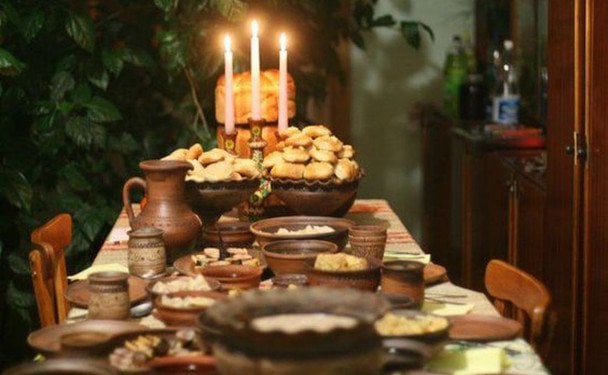
According to ТСН: The Christmas traditions of Ukrainians are filled with deep meaning, as each element has its significance. For example, hay or grass under the white tablecloth and an empty plate on the table symbolize gratitude for the harvest, memory of the past, and boundless hospitality.
The Magic of Hay Under the Festive Tablecloth
The History of the Custom's Origin
This tradition dates back to times when people's lives were closely intertwined with nature. In ancient agricultural cultures, hay and straw embodied life force, prosperity, and fertility. Every blade under the tablecloth symbolized a promise of a generous harvest and health for the livestock.
With the advent of Christianity, this custom gained a new spiritual meaning. Hay or grass began to symbolize the manger in Bethlehem, where the newborn Savior first found shelter, reminding us of the value of humility and the connection between humans and all living things.
Meaning and Multifaceted Symbolism
Today, hay under the white cloth embodies several important meanings. First, it is a memory of the birth of Christ, which transforms an ordinary dinner into a sacred event. Second, it symbolizes the continuity of life, where the past harvest lays the foundation for the future prosperity of the home.
Many beliefs attribute mystical meanings, viewing the grass as a bedding for the souls of ancestors, who return home on Christmas Eve to share joy with their descendants.
What is Placed Under the Tablecloth
Typically, a specially selected mixture of plants is used for decorating the table. The base consists of meadow hay — Timothy or clover, which remind of summer labor. Grain ears complement the composition: wheat represents bread, rye gives endurance, and oats attract abundance.
Medicinal herbs, such as mint, lemon balm, or thyme, play an important role in the composition. They fill the home with aroma and symbolize spiritual purification and physical health.
In Ukrainian homes, this symbolism is complemented by the didukh — a ceremonial sheaf symbolizing well-being. Together they emphasize the unity of our culture, where the sacred and the everyday are always intertwined.
An Empty Place as a Symbol of Love and Memory
The Origins and Historical Significance of the Tradition
Leaving an empty spot on the festive table is one of the deepest rituals of Holy Evening. This custom combines spiritual history, folk beliefs, and human compassion.
Each empty plate on the festive table symbolizes readiness to welcome an unexpected guest. It reminds us that on the night when the Holy family searched for shelter, no doors should remain closed for those in need.
This place is often dedicated to loved ones who are far away. An empty chair indicates that the person is remembered and awaited. In some interpretations, this place symbolizes the presence of the Savior himself in the home.
The Significance of the Tradition
Despite all the changes in rituals, their spiritual essence remains unchanged. It is an expression of solidarity with all who are going through difficult times. The empty plate is a symbol of unity, where the living feel the connection with their roots.
This custom instills in generations the ability to empathize and teaches them to value family unity.
The Ukrainian Context
In Ukraine, this tradition has a special color. At the Rich Angle, hosts leave part of the dishes on the table for the souls of ancestors, emphasizing that the family is a single whole, encompassing both the living and those who have passed into eternity.
In the modern world, this custom helps us pause and reflect on true values. A communal dinner with an 'empty place' becomes a moment for educating children and an opportunity to tell them about the history of the family.
This cultural heritage brings communities together, strengthens families, and fills the festive evening with deep meaning, continuing the living thread of our history.
Read also
- A Simple Zucchini and Eggplant Stew Recipe from 'Tasty Bites'
- A Festive Drink Made from Tea Rose Petals: An Easy Recipe for Your Holiday Table
- A Surprising Twist on Crab Stick Salad: One Unlikely Ingredient Transforms the Flavor
- Unique Venus-Jupiter Conjunction: One Zodiac Sign Gets a Rare Opportunity Until June 14
- Short Nails Look Longer with the Italian Manicure: How This New Beauty Trend Works
- Ukrainian Star Pavlo Zibrov Celebrates First Strawberry Harvest from His Kyiv-Area Garden