The Science of Starch: Why Cooked Rice Turns Hard and How to Restore Its Fluffiness.

The Starch Factor: Understanding Why Rice Loses Its Softness
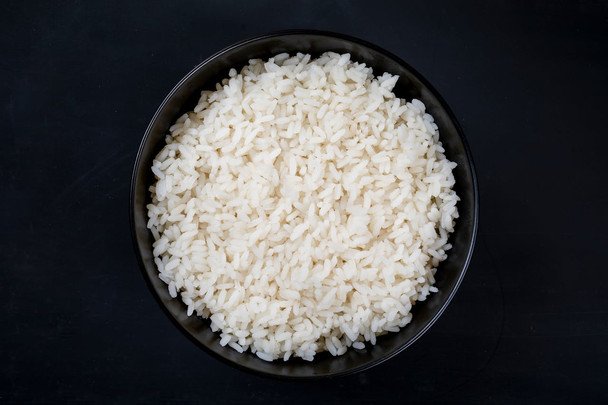
According to TSN.ua: The starch within rice grains is responsible for the texture changes that occur after cooking. A staple food in many global cuisines, rice becomes soft when heated because its starch granules absorb water and swell. However, as the rice cools, a process called retrogradation causes some of this starch to recrystallize, making the grains hard and often causing them to clump together. This effect is more pronounced when rice is stored for extended periods or under improper conditions.
To restore rice to a tender state, it requires both moisture and even reheating. Storing rice without a tight-fitting lid accelerates moisture loss, directly impacting its texture. Furthermore, if rice is stored in a thick, dense layer, moisture distributes unevenly, which can degrade its quality. The texture continues to deteriorate with each passing day of storage, making it less palatable.
Effective Methods for Reheating Rice
Several reheating techniques can help return moisture and a pleasant texture to leftover rice:
- Microwave: Add one tablespoon of water per serving of rice to reintroduce steam and prevent drying.
- Stovetop: Reheat the rice by stir-frying it with ingredients like vegetables, meat, or egg.
- Oven: For larger quantities, spread the rice in a dish and heat at 180°C (350°F) for 10 to 15 minutes.
Proper storage is equally crucial for maintaining rice quality. Paying attention to storage conditions makes subsequent reheating easier and helps avoid excessive hardening and clumping. Employing correct cooking and storage methods can significantly improve the rice's texture and flavor when reused.
This information underscores that both the initial preparation and the storage of rice are critical for its final taste and quality. Given rice's central role in diets worldwide, understanding its properties and optimal handling can greatly simplify meal preparation and enhance the enjoyment of dishes.
— Author Unknown
In modern life, where cooking often involves making meals ahead of time or using leftovers, these practical tips can be invaluable for home cooks seeking to reduce waste and improve their results.
Read also
- Cheap Kitchen Fixes for Gorgeous Hair: How Beer, Sugar, and Vinegar Outperform Expensive Products
- Six Simple Tips to Transform Your Buckwheat into a Perfectly Flavored Dish
- A Simple Cabbage and Ham Salad Recipe That Took YouTube by Storm
- Summer 2026 Shorts Trends Revealed: Which Styles and Colors Are In
- How to Properly Harvest Elderflower: Optimal Timing for Picking and Drying
- Perfect Egg and Scallion Pies: Water-Based Dough Ready in Just One Hour