The Soviet Union's Five and Nine-Story Buildings: The Economic and Technical Logic Behind Their Design.

The Post-War Housing Crisis in the USSR
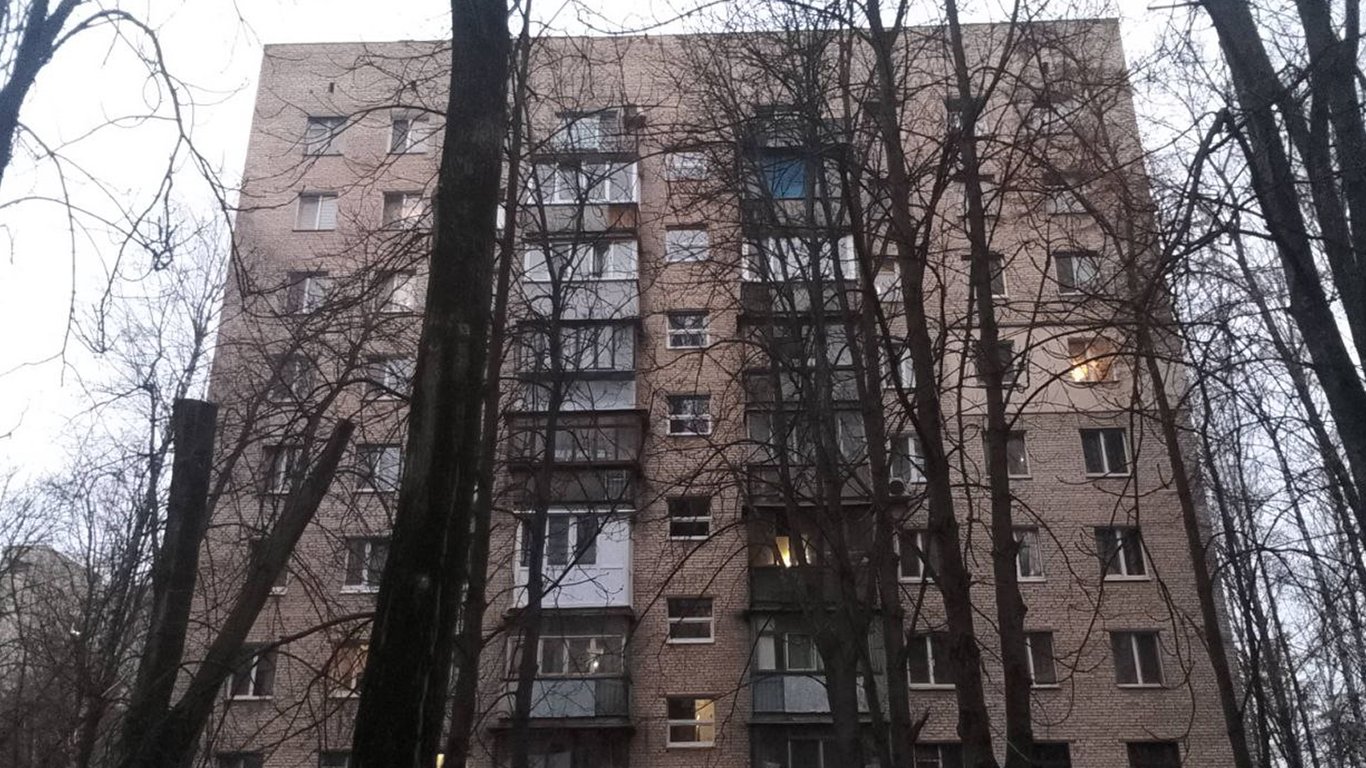
According to Novyny.live: Following the devastation of the Second World War, the Soviet Union faced a severe housing shortage, which triggered a massive wave of residential construction. To maximize speed and efficiency, architects were prohibited from using any decorative elements, a mandate that fundamentally shaped the austere appearance of the new buildings. With resources stretched thin and an urgent need to house the population, standardized designs for five-story apartment blocks were developed and rolled out nationwide.
These five-story buildings, known as 'Khrushchyovka,' were favored for their cost-effectiveness. A key factor was that Soviet building codes did not require an elevator for structures of five floors or fewer, which significantly reduced both construction and long-term maintenance costs. Consequently, the five-story block became an iconic symbol of an era where speed and affordability were prioritized over aesthetic considerations.
Raising the Standard: The Shift to Nine Stories
By the 1960s and 70s, to meet continued demand and improve living standards, construction shifted toward nine-story buildings. This height became the new norm because regulations mandated at least one elevator for buildings of this size, offering greater comfort for residents. However, constructing taller buildings introduced stricter fire safety requirements, particularly for structures exceeding 28 meters in height.
Therefore, the choice between five and nine stories was dictated by a clear calculus of economic and technical constraints. The ban on ornamentation, elevator requirements, and fire safety codes were decisive factors shaping the architectural landscape of the time. This standardized approach to urban planning left a lasting physical legacy across the former Eastern Bloc.
The legacy of Soviet mass housing illustrates how socio-economic conditions can directly shape architectural trends. The ubiquitous five and nine-story blocks were more than just shelter; they were physical manifestations of their historical context. Despite their utilitarian design, these buildings form a significant part of the region's urban heritage, serving as a tangible reminder of the immense challenges of the post-war reconstruction period.
Read also
- Ukraine Receives $690 Million IMF Tranche: Total Aid Reaches $2.2 Billion
- Ukraine Gets $2.2 Billion IMF Nod, But a Key Reform Delay Holds Up the Payout
- Canada Signals Readiness for Talks as Trump Imposes New Tariffs on Canadian Goods
- Fuel Prices in Ukraine Set to Jump by 7–8 Hryvnias: Here’s When the Increase Is Expected
- Ukraine’s Intelligence Warns of Systemic Crisis in Russia as Wage Arrears Surge by 78%
- Fuel Crisis in Russia Drives a Sharp Drop in Car Sales