Marigolds in Your Garden: The Pests They Deter and the Best Companion Plants.

The Benefits of Marigolds
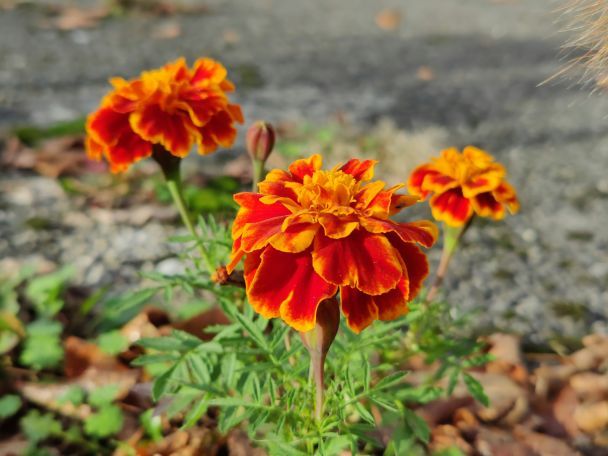
According to TSN.ua: Marigolds are a highly beneficial addition to any vegetable or berry patch, prized for their ability to repel common garden pests. As members of the aster family, these vibrant flowers bloom from summer through fall, adding a splash of color while performing a crucial role in organic horticulture. Their use is a cornerstone of companion planting, a method that leverages natural plant relationships.
To cultivate marigolds, you should start seedlings indoors in late February. This gives the young plants a strong start. They can then be transplanted into the garden soil by mid-May, once the danger of frost has passed and temperatures are consistently warm enough for optimal growth.
Ideal Garden Companions for Marigolds
Marigolds act as a powerful, natural deterrent against a variety of destructive insects. They are particularly effective at repelling:
- Aphids
- Ants
- Root-knot nematodes
- Whiteflies
This protective quality makes them excellent neighbors for many vegetable crops. The plants that thrive best alongside marigolds include:
- Strawberries
- Brassicas (e.g., cabbage, broccoli)
- Beans
- Tomatoes
- Carrots
- Onions
- Potatoes
Therefore, planting marigolds does more than beautify your garden; it actively promotes the health and development of surrounding plants by creating a more favorable growing environment.
Gardeners are increasingly turning to marigolds for their practical benefits. Utilizing these flowers for natural pest control can significantly reduce reliance on chemical pesticides, a key principle of sustainable gardening. Furthermore, marigolds can help enrich the soil and boost biodiversity, making them a valuable asset in any garden ecosystem.
Read also
- What Not to Put in Your Compost Bin: A Guide to Home Composting
- Onion Bolting Threatens Your Harvest: A Simple Chemical-Free Solution to Save It
- June’s Best Fertilizer for Peonies: How to Extend Their Blooming Beauty
- This Summer's Must-Have: Stylists Reveal the Perfect Pairings for a White Skirt
- Boost Potato Yields by 30% with Proper Hilling: Timing and Techniques
- Charlemagne and Roquefort: The Story Behind France's Most Iconic Cheese