Wood Ash Fertilizer: A Danger to Hydrangeas, Potatoes, and Other Acid-Loving Plants.

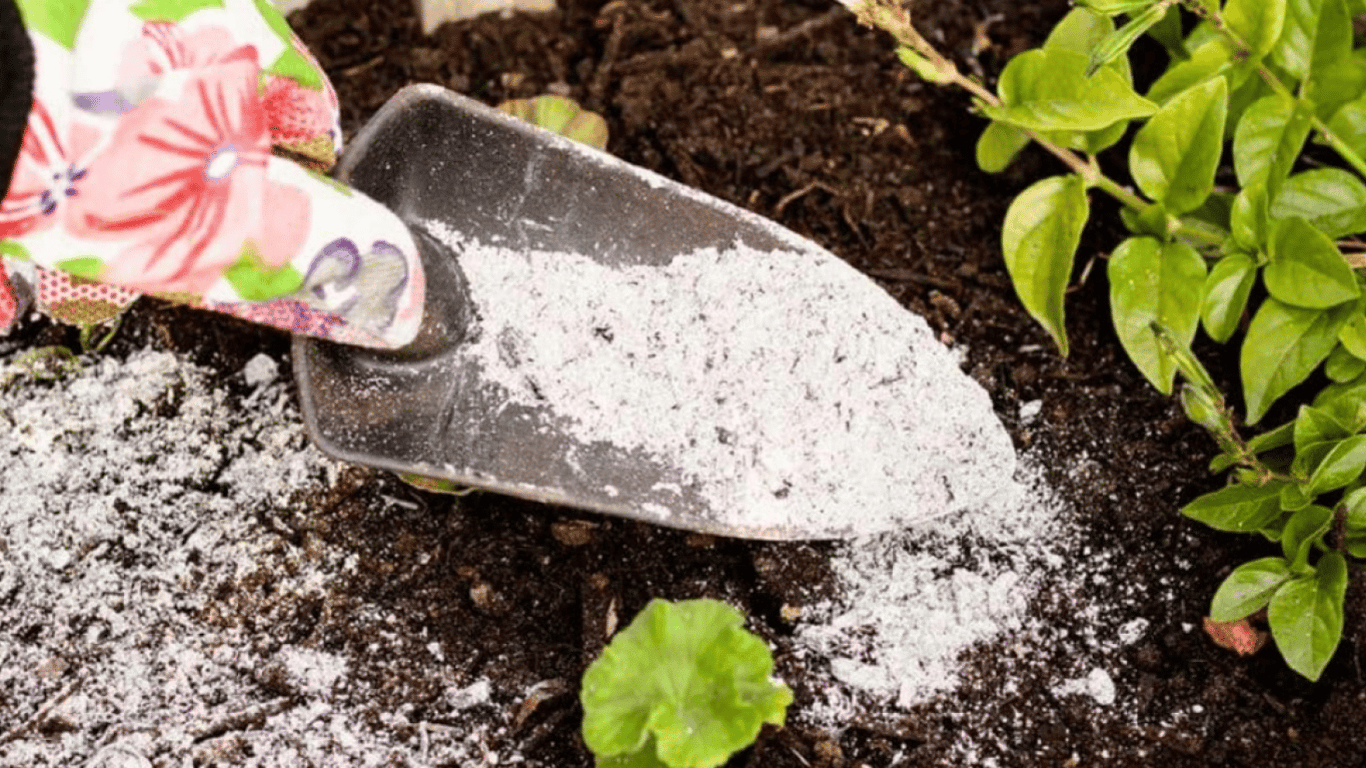
The Role of Wood Ash in Gardening
According to Novyny.live: While wood ash is a beneficial fertilizer for many plants, it can be harmful to acid-loving species. Gardeners should be aware that applying ash raises soil pH, which can induce chlorosis in these sensitive plants. Understanding which plants are incompatible with ash and what alternatives exist is crucial to prevent damage and ensure healthy growth.
Wood ash has an alkaline reaction, with a pH ranging from 8 to 13. Acidophilic plants, which include:
- hydrangeas
- rhododendrons
- azaleas
- heather
- ferns
- lilies of the valley
require soil pH levels between 4.5 and 6.0. Applying ash to these plants can significantly disrupt their growth and development, so its use in their care is strongly discouraged.
Furthermore, ash is unsuitable for application to the following vegetables and berries:
- sorrel
- radishes
- potatoes
- legumes (beans, peas)
- blueberries
- bilberries
- lingonberries
All these plants can react particularly poorly to an increase in soil alkalinity. Therefore, gardeners should consider alternative fertilization methods that will not compromise plant health. Soil pH is a fundamental factor influencing nutrient availability for roots.
Alternatives to Wood Ash
Suitable substitutes for wood ash include:
- sphagnum peat moss
- pine needle mulch
- elemental sulfur
- ammonium sulfate
- specially formulated fertilizers for acid-loving plants
Using these alternatives will provide plants with proper care without the risk associated with altering soil pH unfavorably.
This information underscores the importance of a mindful approach to fertilizer use in gardening, especially for plants sensitive to soil pH changes. Gardeners must pay close attention to fertilizer composition and its specific impact on different plant species to ensure their vitality and resilience. Selecting the correct alternative amendments can significantly improve cultivation outcomes and prevent potential plant health issues.
Read also
- Blago Becomes Lead Partner of Lviv Fashion Week: What This Means for Ukrainian Designers
- From Johnson’s Memoir to the War of Tomorrow: 5 Must-Read Books Coming in 2026
- Forecaster Didenko Issues Weather Update for July 15: Where Rain Is Expected
- How to Choose a School Backpack: Key Factors for Your Child's Health and Comfort
- A Simple Recipe for Tomato Fertilizer Made from Yeast and Banana Peels
- Custom Door Signs Over Stock Options: How Office and Residential Navigation Is Evolving