Sean Combs received over 4 years in prison: what happened in court.

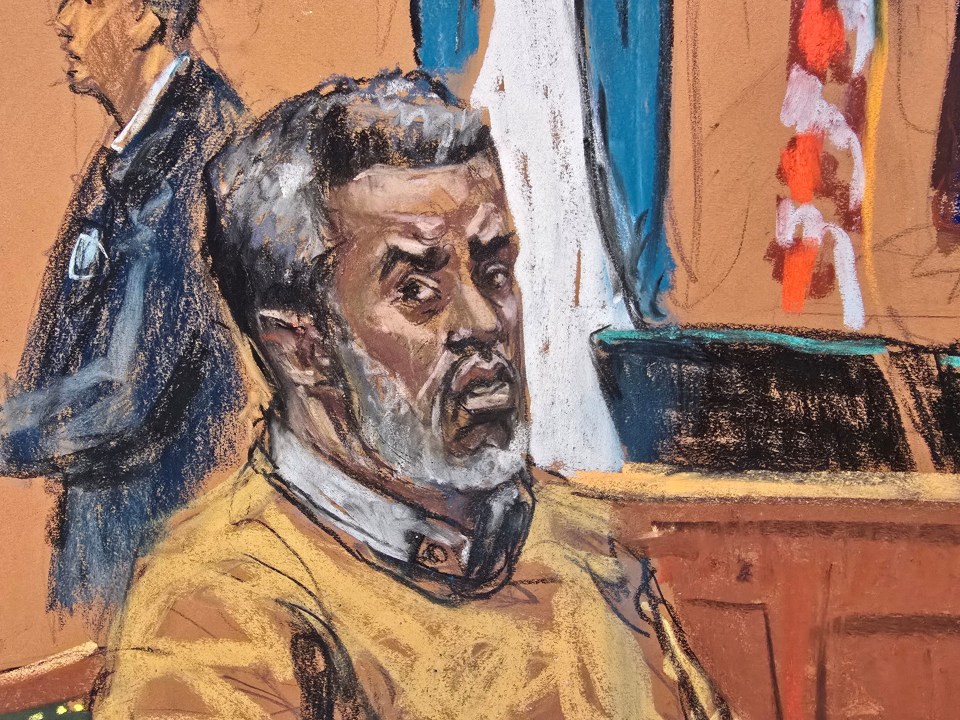
According to The Sun: Sean “Diddy” Combs was sentenced to more than four years in prison after being found guilty on two prostitution charges.
The 55-year-old music mogul faced up to 20 years, but was ultimately given a sentence of 50 months despite his plea for leniency.
Shutterstock Editorial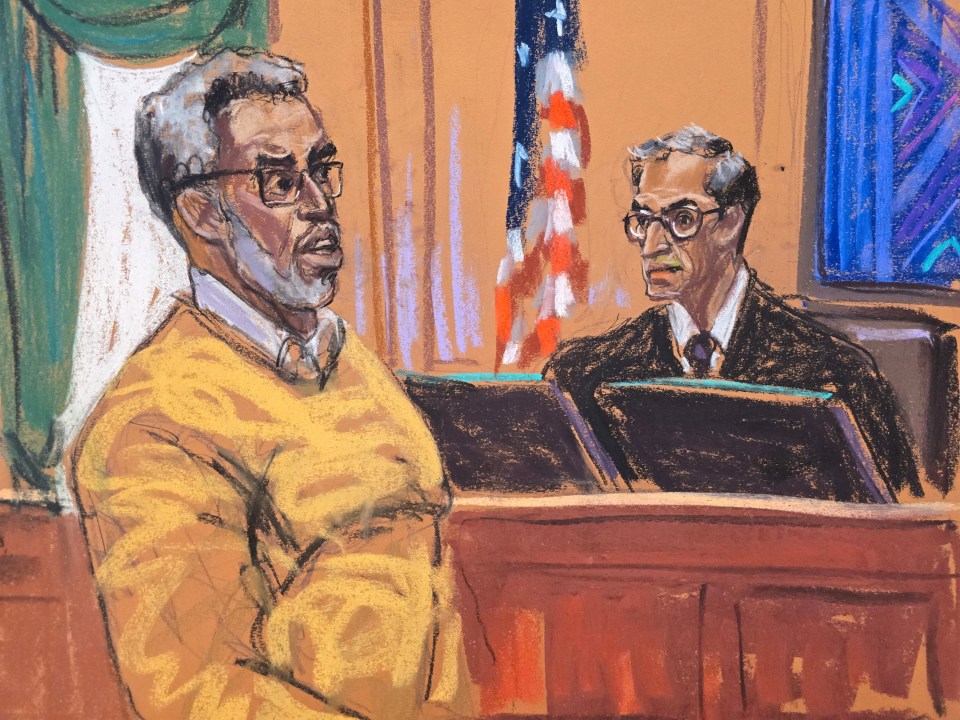 Reuters
He was also fined £370,000 ($500,000) – the maximum amount he could receive for his charges.
Combs has already spent about 13 months in jail, which will be counted towards his total sentence.
Manhattan Judge Arun Subramanian also sentenced him to five years of supervised release after his prison term.
Before the sentencing, the judge addressed Combs, noting that he had abused his girls “physically, emotionally, and psychologically.” Subramanian emphasized:
'You had the money and power to continue this.'
The judge also added:
'This was subjugation that led Ms. Ventura and Jane to think about ending their lives.'
During the sentencing announcement, Combs stood still like a statue, not moving his head, then only lifted it and stared ahead.
In court in New York, a bewildered Combs admitted:
'I have been humiliated and broken to my core. I hate myself right now, I have been stripped of everything.'
He apologized to former girlfriends Cassie and anonymous 'Jane' as well as all victims of domestic violence.
The convicted mogul stated that he was “sick with drugs,” “uncontrollable,” and “lost in his excess and selfishness.”
Cassie's lawyers issued her statement after sentencing, in which she expressed:
'While nothing can erase the trauma caused by Combs, the sentence handed down today acknowledges the impact of the serious crimes he committed.'
Combs wrote a letter to the judge pleading for mercy and apologizing “for all the pain and suffering caused,” emphasizing that he has become a better person after a year of incarceration.
In his letter, he admitted:
'I literally lost my mind. I ask for forgiveness for that and will always.'
Judge Subramanian's Comment
“You abused the power and control you had over the lives of the women you said you loved genuinely.”
“You abused them physically, emotionally, and used that violence to get yours, particularly when it came to Freak Offs.”
“The videos of violence related to Freak Offs are massive.”
“I sat here on the testimony of Ms. Ventura and Jane... we read about it in text messages and emails.”
“We saw it in images of cuts, bruises, broken doors, and saw videos of your brutal beating of Ms. Ventura.”
“This was subjugation and led Ms. Ventura and Jane to think about ending their lives.”
“This is the reality of what happened.”
“These serious crimes caused irreparable harm to two women... you subjected Ms. Ventura and Jane to drugs... this continued for more than a decade and with great frequency during that time.”
“Why did this go on so long? Because you had the power and resources to continue, and because you were not caught.”
“You were not simple; you were more than that, even if your currency was to satisfy your sexual desires more than money, but coercion was just as bad, if not worse.”
“The court has no assurance that in the event of your release these crimes will not be repeated.”
“This is a difficult time in prison, away from your family, friends, children, and community.”
“You will have a life after this.”
He mentioned the attack on his former partner, Cassie Ventura, which became part of the sensational trial.
In his letter, Combs blamed drugs for his actions.
'I lost my way. My decline is rooted in selfishness. I have been humiliated and broken to my core,'he wrote.
Cassie also sent a letter to the judge expressing concern that Combs, once released, might seek “swift revenge.”
 Getty
Cassie also sent a letter to the judge, expressing concern that Combs, once released, might seek 'swift revenge.'
Getty
Cassie also sent a letter to the judge, expressing concern that Combs, once released, might seek 'swift revenge.'
She stated:
'He has no interest in changing or becoming better. He will always be the same cruel, power-hungry, manipulative man he is.'
In early July, Combs became the subject of an astounding eight-week trial regarding his criminal actions in the music industry.
He was found guilty of transporting for prostitution, but was acquitted on more serious charges of racketeering and sex trafficking, which allowed him to avoid significantly harsher punishment.
He will always be the same cruel, power-hungry, manipulative man he is
Cassie Ventura
After the shocking sentencing announcement, Combs fell to his knees in prayer.
His defense team made a statement to reporters calling the outcome “a big win for the judicial system.”
Marc Agnifilo asserted that the 12-member jury “understood the situation accurately – or at least adequately.”
Reuters
Reuters
“We will not stop until he is out of prison to his family,” he added.
The prosecution recommended 11 years in prison, noting his history of physical and psychological abuse towards his former girlfriends and workers who testified against him.
The defense team argued that a two-year term would have been fairer. Combs could have been released at the beginning of the month had he received the lowest sentence after already serving 13 months in prison.
How the $10 million case against Diddy fell apart after prosecutors became greedy
Many believed the convicted mogul would receive life imprisonment for racketeering and sex trafficking back in July.
However, when the verdicts were announced, Combs fell to his knees in happiness after being acquitted of the two most serious charges.
A New York jury found the 55-year-old rapper guilty of transporting for prostitution.
Each count carries a maximum sentence of up to 10 years, with no minimum, so Combs's defense team sighed with relief in the courtroom.
As the trial of Combs continued, many thought his chances of avoiding severe punishment were virtually gone.
Most federal cases end in acquittals, according to leaked rumors of the charges.
The prosecution struggled with the impossibility of proving the criminality of the racketeering charges, which the most notorious mafia bosses faced.
The burden of proof required for conviction on such charges will always be high, as the consequences of life behind bars are serious.
And while the prosecution tried to prove Combs's guilt, the defense minimized the severity of the charges.
The defense team leaned towards the idea that Combs was a personality, not a criminal.
Attorney Teni Gheragos made a bombshell statement during the opening speech, describing Combs as a domestic abuser with violent tendencies.
Gheragos asserted on the first day: “This is evidence of domestic violence. But it is not evidence of sex trafficking.”
Throughout the trial, the defense thus insisted that the established facts only paint a picture of a troubled personality rather than a calculated criminal.
Attorney Marc Agnifilo also noted that Combs lived 'a swinger lifestyle.'
His cellmates expressed admiration in written testimonials for Combs, reporting that the rapper organized classes in prison.
The 55-year-old man held weekly sessions titled “Free Game with Diddy.”
Participants recalled that the sessions covered everything from entrepreneurship to health tips, providing them with the opportunity to 'look into his mind' in the world of fame and money.
Douglas Welch, 42, told Judge Arun Subramanian that Combs “brings love into the unit” and that the classes encouraged him to take care of 'his health.'
Another inmate, Quinton Davis, added that the sessions included 'business management, entrepreneurship, and life skills,' noting that Combs even urged the group to use 'AI and Chat GPT.'
“This is a key moment and inside information on how Mr. Combs started from nothing and became the icon and businessman he is today,” Davis explained.
Department of Justice
 Getty
Reuters
Getty
Reuters
Currently, Combs's prison life is accompanied by a series of educational programs that may change his outlook on life after release. However, the level of oppression he has experienced indicates that a long, difficult road to full recovery awaits him.
This case highlights how important justice systems are ready to promote victims' rights and penalize offenders, regardless of their social status or influence in society. Now, even with serving time, the issue remains relevant as Combs stands on the brink of his return to society. The real test for him is not only freedom but morality — whether he can change his life after the most intense situation surrounding him.
Read also
- Marina Danilyuk-Yarmolaeva to Host a New Talk Show on Espreso TV: A Witty Take on the Week's Biggest Stories
- Dasha Maistrenko: modeling career, height and interesting facts about the famous model
- New Documentary on Skryabin's Kuzma Hits Theaters: What the Film Reveals
- Polka Dot Dress Trend: Nadya Dorofeeva Debuts Her Summer Look
- Netflix Reveals the Finale of 'In the Deep Woods': What Happened to the Missing Teens
- Three Must-Watch Netflix Series Launching in 2026