Latvian Athlete Backs Disqualified Ukrainian at 2026 Olympics.

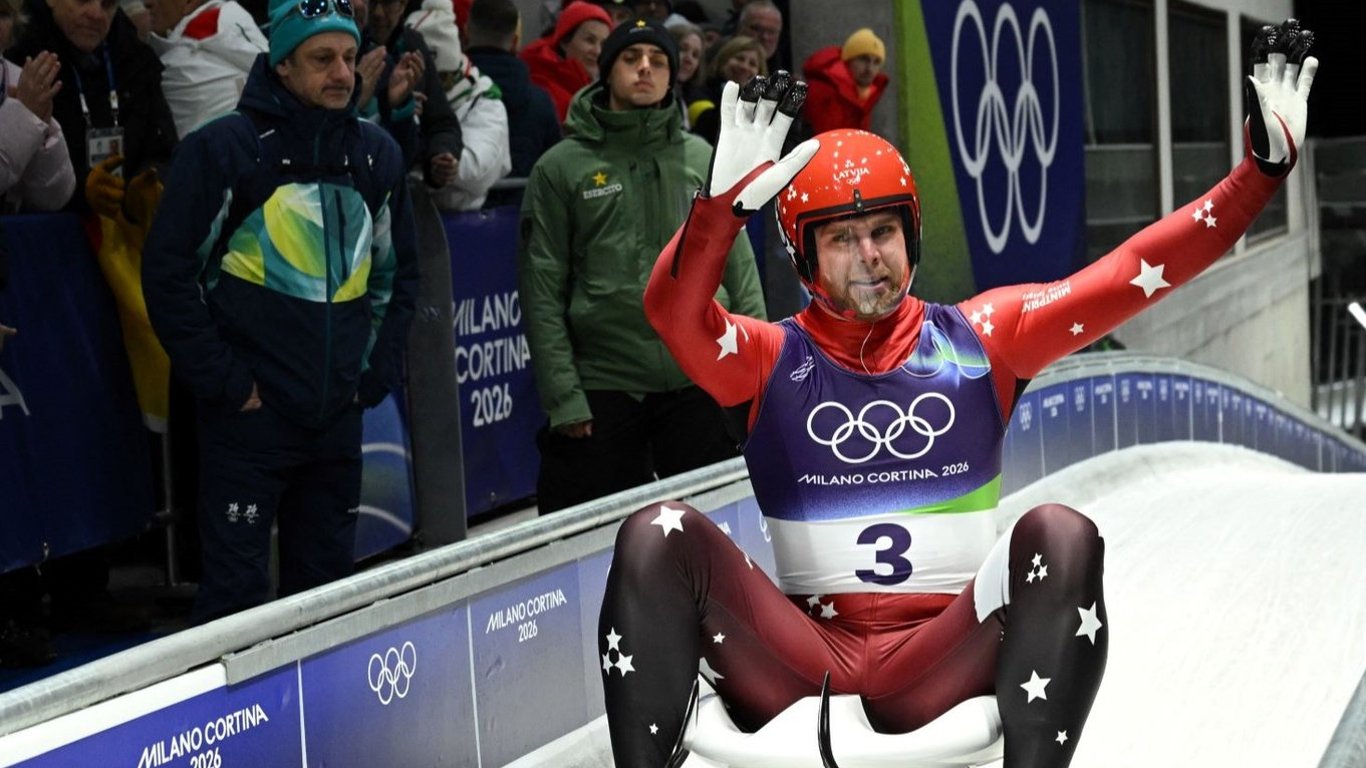
Ukrainian Skeleton Athlete Disqualified at 2026 Games
According to Novyny.live: At the 2026 Olympic Games, Ukrainian skeleton racer Vladyslav Heraskevych was disqualified for wearing a helmet featuring images of deceased Ukrainian athletes. This decision sparked outrage and support from fellow competitors, including Latvian luger Kristers Aparjods, who voiced his solidarity with Heraskevich during a broadcast on Latvian television on February 12, 2026.
Latvian Competitors Show Their Support
Latvian athletes demonstrated their backing for Heraskevych by raising their helmets in a show of unity with Ukraine. In his televised remarks, Aparjods stated:
“I have a helmet in my hands. I think it’s clear to everyone what this means at this moment. I want all of Latvia and the world to know that in these difficult times, we are with Ukraine. We were, we are, and we will be. We are with Ukraine. Glory to Ukraine!” - Kristers Aparjods
These words underscore that support for Ukraine remains a significant issue for many athletes competing on the international stage. The ongoing conflict has made such expressions of solidarity a recurring theme in global sports.
The controversy surrounding Heraskevych's disqualification and Aparjods's support highlights how sporting events serve not only as competitions but also as platforms for expressing political and social stances. Athletes leverage their visibility to draw attention to critical issues affecting their nations and communities.
This incident illustrates how sport can become an arena for demonstrating solidarity and support during political and social crises. By marking this significant moment, such actions can prompt broader discussions and the search for solutions to the complex challenges nations face. Athletes often become voices for their people, emphasizing their role not just in competition, but in societal discourse.
Read also
- Trump Endorses FIFA's Ban on Balogun and Backs New UN Secretary-General Pick
- Ukraine's National Team Clinches Team Gold at World Shooting Championships in Tallinn
- Ukrainian Volleyball Star Dmytro Yanchuk Tops 2026 Nations League in Aces with 21
- Kevin Keegan, Two-Time Ballon d'Or Winner, Dies After Battle with Cancer
- Commander of the 107th Brigade Denys Perch Highlights Key Military Challenges: Infantry Shortages and Red Tape
- Ferran Torres’s lone goal secures Spain’s 2026 World Cup victory in New Jersey final