Three simple spring steps for a bountiful currant harvest.

Spring care for currant bushes
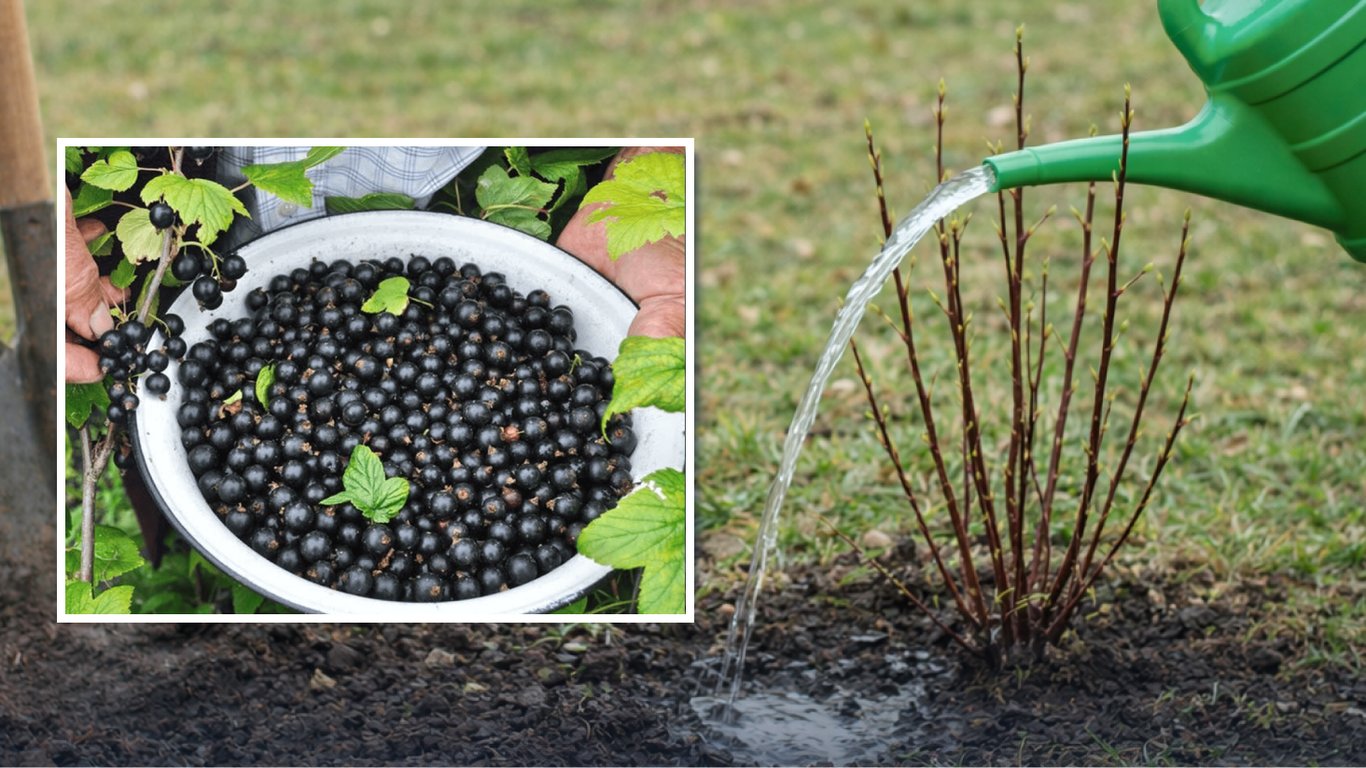
According to Novyny.live: Currants are among the most cherished berries in Ukraine, and spring is the critical time to give them focused attention. During this season, proper care involves several key practices: pruning, watering, fertilizing, and protecting plants from diseases and pests. Following these guidelines helps ensure healthy growth and a generous yield.
Key spring maintenance steps
Pruning currant bushes is a vital part of spring care. When pruning, remove any frost-damaged, dry, broken branches, as well as old shoots. This not only improves the appearance of the bushes but also promotes their overall development. It's also important to remember that after winter, currants need moisture and nutrients. Using balanced fertilizers containing nitrogen, phosphorus, and potassium is the best way to supply plants with all essential elements.
Beyond pruning and feeding, protecting currants from diseases and pests is crucial. Currants are susceptible to four main diseases:
- anthracnose
- septoria leaf spot
- gray mold
- rust
Symptoms of these diseases may include brown spots on leaves, leaf yellowing and drop, gray coating on branches, and reddish spots on foliage. The primary pests affecting currants are the bud mite, aphids, currant clearwing moth, and leafrollers. The first preventive treatment should be applied before buds open to reduce the risk of these issues.
In short, spring currant care can be boiled down to three simple actions: pruning, watering and fertilizing, and protecting against diseases and pests. Following these tips allows gardeners to ensure the healthy development of their currant bushes and enjoy a tasty, abundant harvest.
Spring care for currants is a vital step to ensure their productivity and health. Timely pruning, proper fertilization, and preventive measures against diseases and pests can significantly affect both the quantity and quality of the harvest. With changing climate conditions and the growing agricultural sector, this knowledge is especially relevant for Ukrainian gardeners who aim to uphold currant-growing traditions and supply the market with high-quality produce.
Read also
- Influencers Are Bringing Back Statement Tees: The Prints Dominating Summer 2023
- A Quick 20-Minute Red Currant Jam Recipe You’ll Love
- July 2026: Ukrainian Gardeners Advised to Plant Peas for a Second Harvest
- Why the Capri Bob Is the Must-Have Haircut of Summer and Who Should Try It
- Why Green Onions Turn Yellow and Stop Growing: The Cause and a Simple Fix
- Summer Nail Art Trends: Bright Designs That Vacationers Are Choosing for the Beach