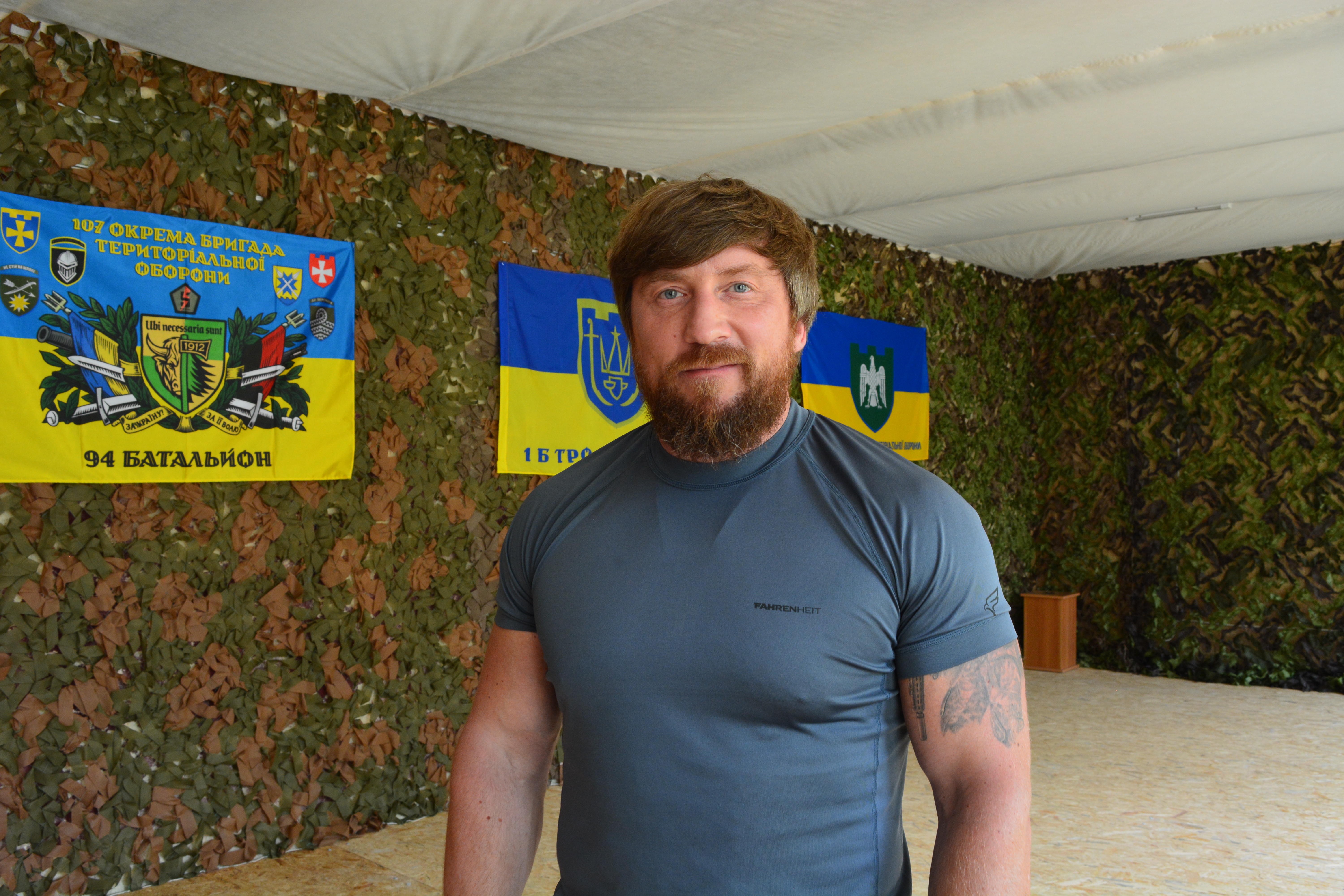
Dominik Hašek Condemns IOC's Helmet Ban as War Propaganda.


Dominik Hašek's Critique of the IOC Ruling
According to Novyny.live: Czech goaltending legend Dominik Hašek has sharply criticized a recent International Olympic Committee (IOC) decision. The IOC has banned Ukrainian skeleton racer Vladyslav Heraskevych from wearing a helmet at the 2026 Olympic Games that features images of Ukrainian athletes who have died. Hašek expressed outrage, stating that this ruling effectively turns the Olympics into a platform for war propaganda.
Hašek emphasized the perceived hypocrisy of the situation: the IOC is preventing a Ukrainian athlete from honoring his fallen compatriots while simultaneously allowing Russian athletes to compete, despite many not having condemned their country's aggressive war and associated crimes. Since the start of Russia's full-scale invasion of Ukraine, Hašek has been a vocal opponent of allowing Russian and Belarusian athletes to participate in international competitions. He believes decisions like this violate the core principles of sport and humanity.
Stance of Ukrainian Sports Organizations
In a related show of solidarity, the Kyiv-based football club Dynamo has decided to halt broadcasts of its matches. This move highlights the broad position taken by Ukrainian sports bodies regarding the current situation and their support for athletes seeking to memorialize the dead.
This controversy underscores the heightened tensions in international sports arising from military conflicts, particularly the war in Ukraine. The actions of figures like Hašek and organizations like Dynamo demonstrate how Ukrainian athletes and institutions are fighting to protect their identity and honor their losses. Meanwhile, international bodies like the IOC face mounting criticism for their rulings. This incident is likely to fuel ongoing debates about the participation of athletes from aggressor nations in global competitions and the role of sport as a platform for political and social statements. The IOC often seeks to maintain neutrality, but its decisions are increasingly scrutinized in times of geopolitical crisis.
Read also
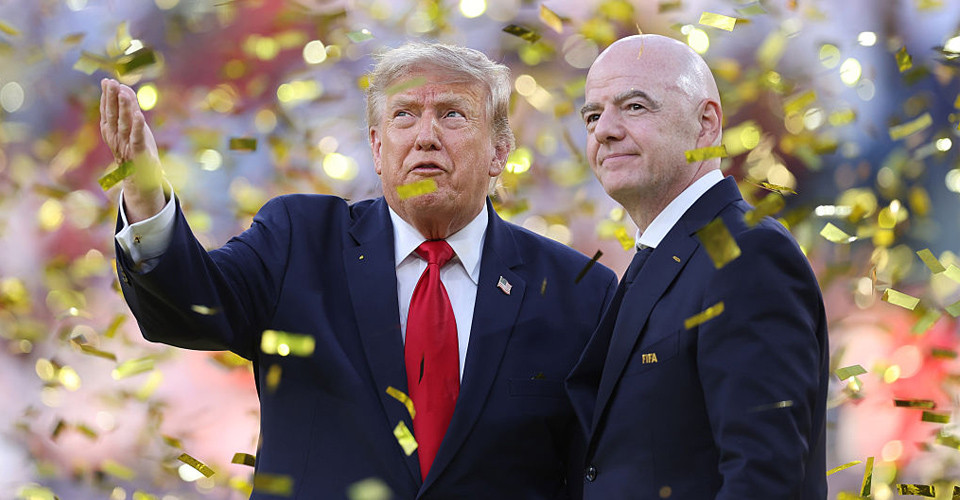
- Trump Endorses FIFA's Ban on Balogun and Backs New UN Secretary-General Pick
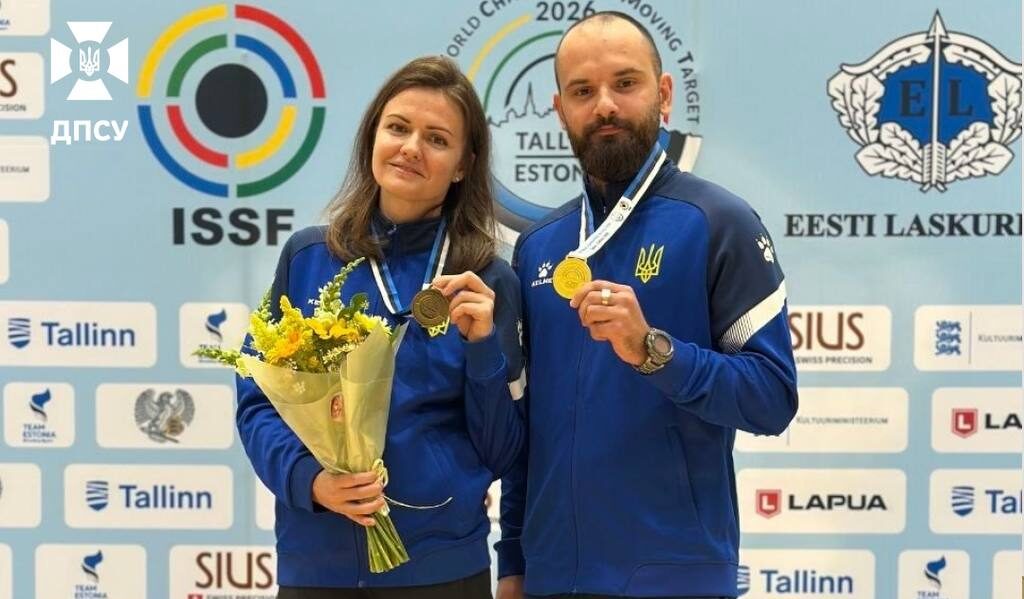
- Ukraine's National Team Clinches Team Gold at World Shooting Championships in Tallinn
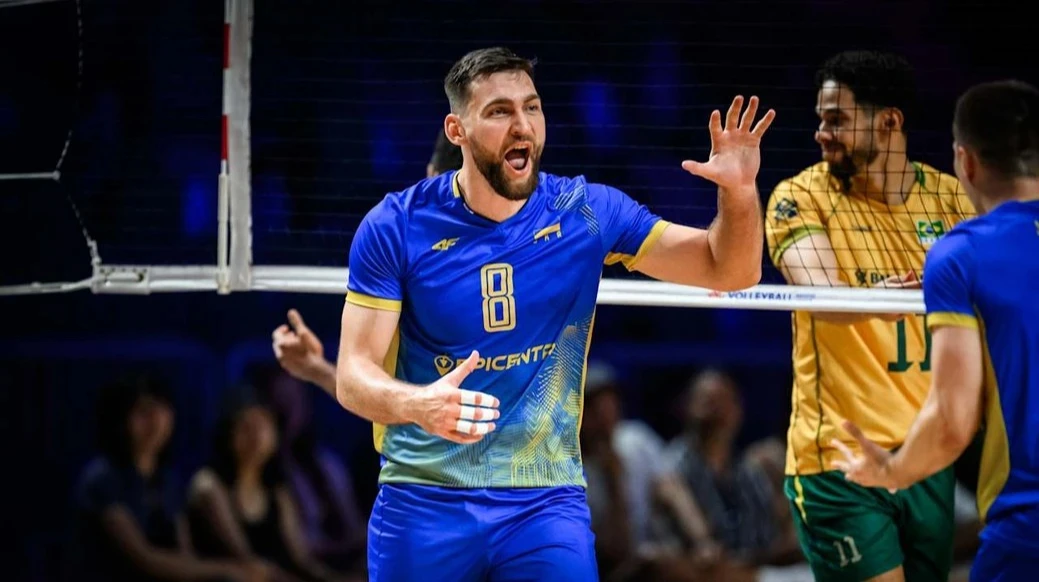
- Ukrainian Volleyball Star Dmytro Yanchuk Tops 2026 Nations League in Aces with 21
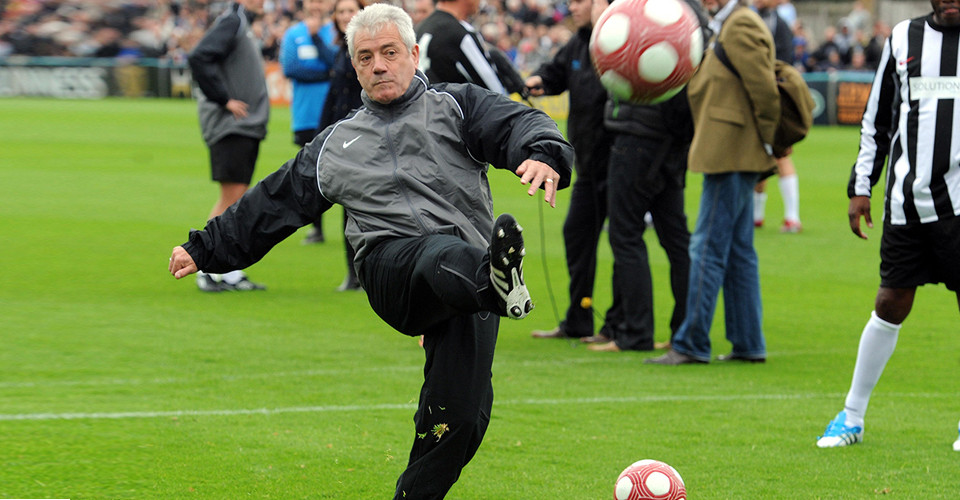
- Kevin Keegan, Two-Time Ballon d'Or Winner, Dies After Battle with Cancer
- Commander of the 107th Brigade Denys Perch Highlights Key Military Challenges: Infantry Shortages and Red Tape
- Ferran Torres’s lone goal secures Spain’s 2026 World Cup victory in New Jersey final