Russia’s Economy Nears Depression: Fuel Shortages and Record Military Spending.

Overview of Russia's Economic Situation
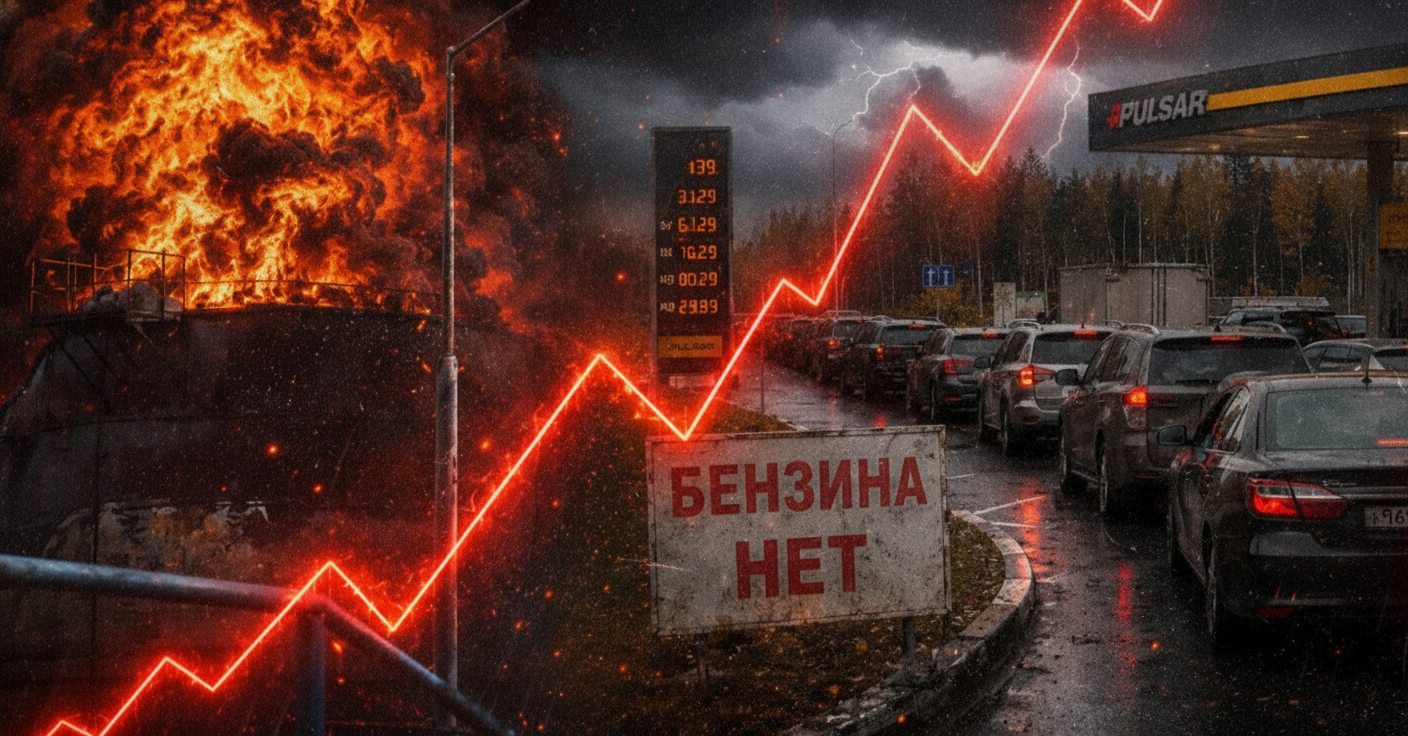
According to UATV: A severe crisis is unfolding in Russia’s economy, driven by declining oil production, surging military expenditures, international sanctions, and Ukrainian strikes on oil infrastructure. In May 2023, Russia’s oil output fell to 9 million barrels per day. This drop has triggered gasoline shortages that are spreading across more regions, including Saint Petersburg, Voronezh, and Tula. On June 20, 2023, authorities in the Saratov region announced the need to impose price caps at gas stations, underscoring the gravity of the situation.
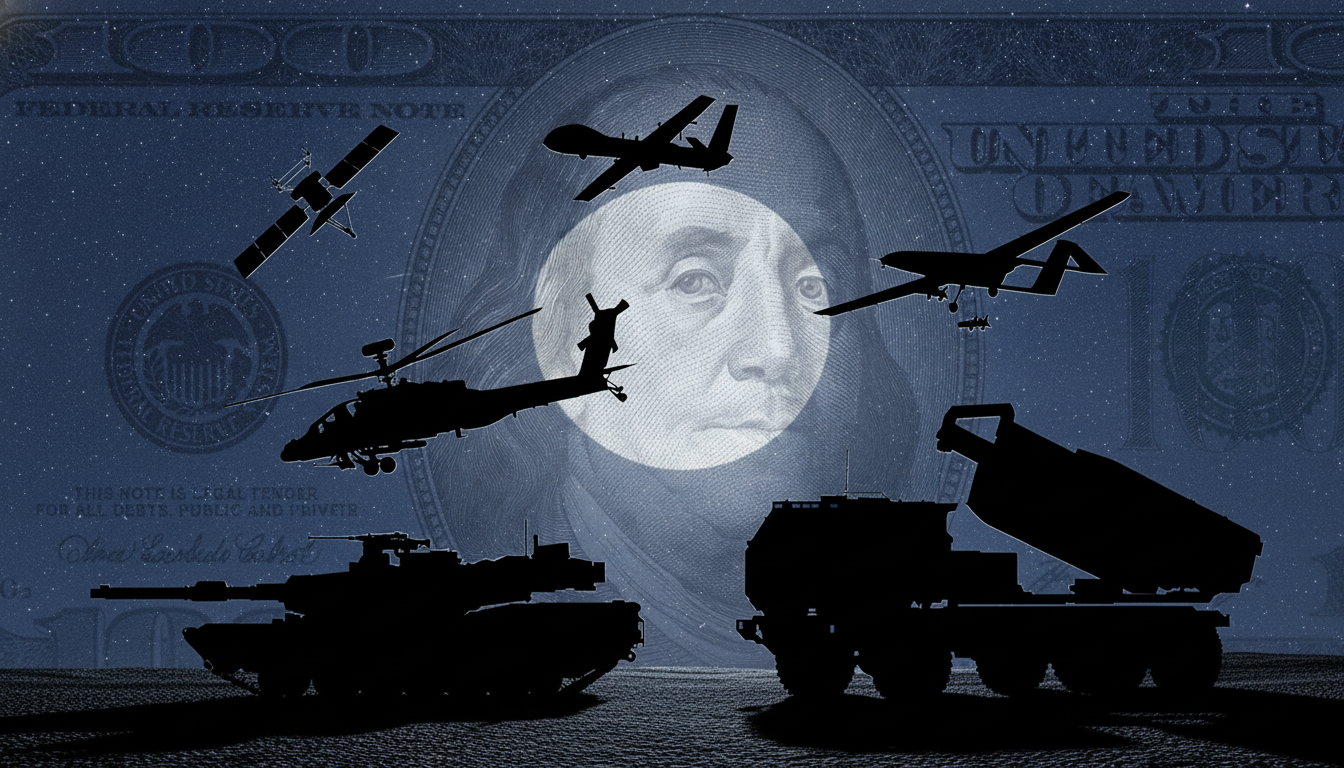
In the first quarter of 2026, Russia’s spending on the war in Ukraine reached 5.9 trillion rubles, a sum that will have a significant impact on the economy. Military outlays accounted for 46% of all federal budget expenditures, indicating that state resources are heavily skewed toward defense rather than social or economic programs. According to data, the National Welfare Fund stood at roughly $135 billion in early 2026, but the federal budget deficit exceeded 6 trillion rubles as of June 1, 2026. Oil and gas revenues for the first five months of 2026 did not surpass 3 trillion rubles, further highlighting the energy sector’s troubles.
Expert Assessments of Russia's Economy
Experts are sounding alarms about the trajectory of Russia’s economic situation.
Andriy Zakrevsky noted, 'We have seen that Russia will likely record its largest-ever grain production losses this year.'This points to additional strain from the agricultural sector, which could worsen the overall economic outlook.
Oleg Ustenko emphasized, 'The military sector cannot sustain the 0.5% economic growth that the Kremlin expects even in its most optimistic forecasts.'This highlights the dim prospects for the broader economy.
Ivan Us remarked, 'If the Russian economy finishes 2026 with negative indicators, we could effectively speak not just of a recession, but of a depression.' This underscores the severity of the challenges the country faces. Additionally, Janis Kluge observed, 'This growth was mainly driven by increased spending classified as “secret,”' pointing to a lack of transparency in funding and resource management.
In summary, Russia’s economic crisis stems from multiple interconnected factors. Falling oil output, rising war costs, a budget deficit, and declining energy revenues all point to serious hurdles ahead for the nation.
Analyzing this situation, it is clear that Russia’s economic difficulties could have significant consequences not only for its domestic market but also for the global economy, given the country’s role in energy supply. Reduced oil production and higher war spending may affect world energy prices and the stability of regional economies dependent on Russian exports. A prolonged economic crisis could also trigger social unrest and political shifts within the country.
Read also
- India Becomes Fuel Supplier to Russia as Diesel Shortage Bites
- Currency Panic Grips Ukraine: Expert Reveals Why People Are Losing Faith in the Hryvnia
- Major Salary Hikes Planned for Ukrainian Rescuers: Here’s What They Could Earn
- Gazprom Shares Hit a 20-Year Low: What Triggered the Collapse?
- Russia's Shadow Fleet Under Fire: Black Sea Oil Exports Face Systemic Disruption
- Russian Billionaires Accelerate Capital Flight Abroad Amid Growing Economic Fears