Russia's Economy Crippled by War: Sanctions Extended to 2027 Deepen the Crisis.

EU Sanctions Against Russia
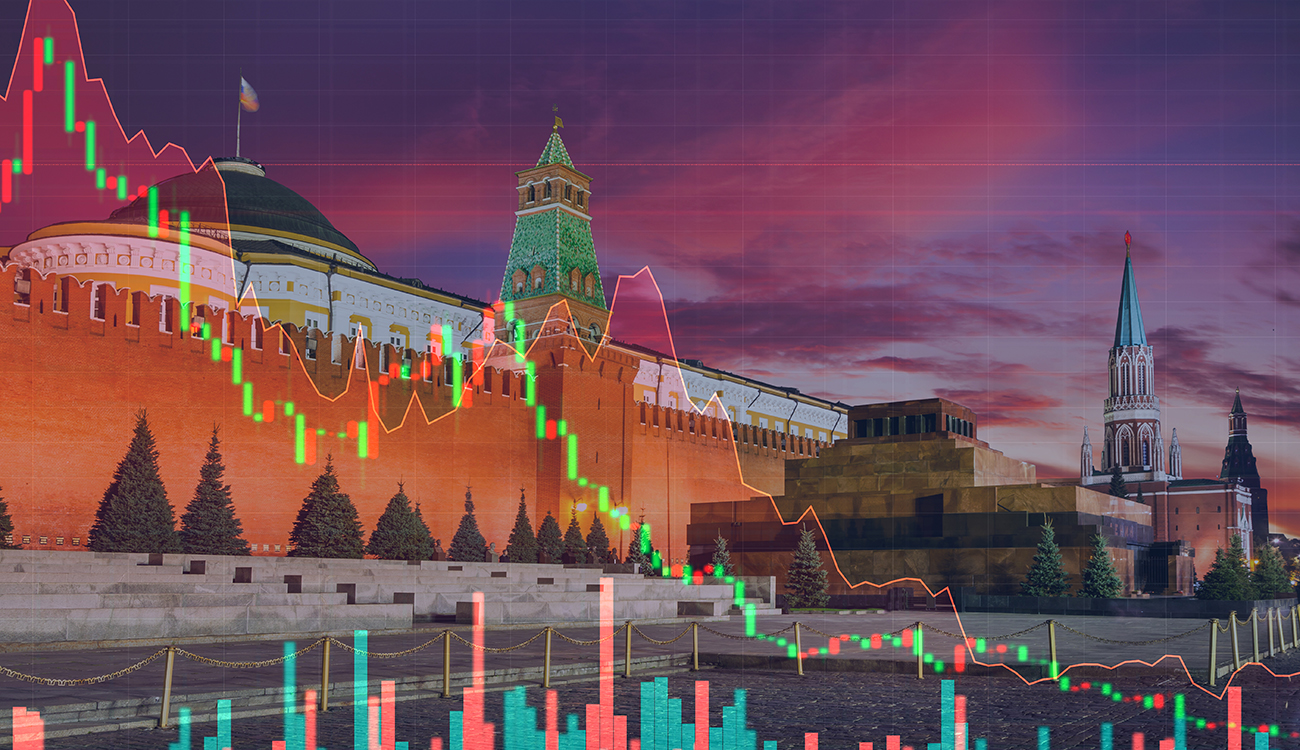
According to UATV: The European Union has extended its sanctions regime against Russia until February 24, 2027. This move responds to the severe economic deterioration within the country, which has been exacerbated by the war in Ukraine and the resulting international restrictions. Russia's economy is now mired in a profound crisis, marked by declining economic activity, a record budget deficit, and an urgent need for a radical overhaul of its economic policy. These sanctions are a direct consequence of Russia's ongoing military aggression.
Russia's Economic Indicators
Key economic metrics highlight the nation's mounting difficulties. Notably, mortgage interest rates have skyrocketed, increasing nearly fourfold. This surge has dealt a severe blow to ordinary citizens, as the average salary in Moscow is now insufficient to rent a standard two-room apartment.
- In 2025, Russia's budget deficit exceeded 5.5 trillion rubles.
- In January 2026, the federal budget deficit reached 1.7 trillion rubles.
- The projected budget deficit for 2026 could rise to 4.5% of GDP.
Critical financial results from major corporations further illustrate the downturn. For instance, the profit of the company 'Norilsk Nickel' fell by 40% in 2025, while 'Gazprom' reported a net loss of no less than 170 billion rubles for the same year.
Igor Lipsits noted that 'Russia's economy is becoming a war cripple.'
Another expert, Andrey Novak, confirmed that 'as of the end of January, the federal budget deficit in Russia was 1.7 trillion rubles,' underscoring the deep-seated problems within the state's financial system. This situation points to an unavoidable need for a shift in economic policy and immediate action to address the crisis. The strain is increasingly visible in the daily lives of Russian citizens and the health of its corporate giants.
The EU's decision to maintain sanctions until 2027 signals a prolonged period of tension between the West and Russia, driven by the Kremlin's aggressive foreign policy. Given the severe economic challenges Russia now faces, future actions by the international community could significantly impact regional stability and the country's domestic politics. Simultaneously, the necessity for radical economic reforms within Russia is becoming ever more apparent to prevent a slide into an even deeper economic catastrophe.
Read also
- Ukraine Receives $690 Million IMF Tranche: Total Aid Reaches $2.2 Billion
- Ukraine Gets $2.2 Billion IMF Nod, But a Key Reform Delay Holds Up the Payout
- Canada Signals Readiness for Talks as Trump Imposes New Tariffs on Canadian Goods
- Fuel Prices in Ukraine Set to Jump by 7–8 Hryvnias: Here’s When the Increase Is Expected
- Ukraine’s Intelligence Warns of Systemic Crisis in Russia as Wage Arrears Surge by 78%
- Fuel Crisis in Russia Drives a Sharp Drop in Car Sales