Keeping Pets Warm in Winter: Expert Advice on Cozy Beds and Spotting Hypothermia.

Protecting Pets from Hypothermia
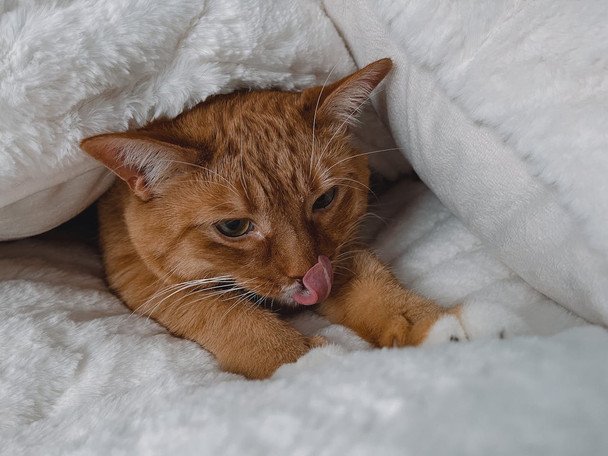
According to TSN.ua: Veterinary expert Oleksandr Aishpur offers guidance on safeguarding pets from hypothermia during cold weather. As a candidate of veterinary sciences and a representative of Royal Canin, he emphasizes creating a proper warm resting area, using suitable clothing, and adjusting dietary intake. Many pet owners are unaware of the specific risks cold indoor environments pose to their animals.
To ensure a comfortable temperature for pets, their bed should be raised off the floor. Suitable materials for this include:
- a pouf or ottoman
- a wooden pallet
- cardboard and foam board
The bed should be placed away from windows, doors, and balconies to avoid drafts and retain warmth. Adding multiple layers of blankets, fleece, or towels is also recommended to help trap body heat effectively.
Cold Weather Clothing and Diet for Pets
For dogs in chilly rooms, fleece sweaters or horse blankets are advised, while cats benefit from warm vests. This helps them retain body heat on cool days. Additionally, it may be necessary to increase the caloric content of their diet by 10–15%, though any dietary changes should first be discussed with a veterinarian. Drinking water should also be kept at room temperature, not below +20 °C, to prevent discomfort.
Signs of hypothermia that owners should watch for include:
- persistent shivering
- lethargy
- cold paws and ears
- pale or grayish gums
It is crucial to monitor your pets' condition during the colder months and take necessary steps to protect them from hypothermia.
As temperatures drop, the issue of protecting animals from the cold becomes especially pressing. Improper living conditions can lead to serious health problems, highlighting the importance of attending to pets' needs. Since hypothermia can have long-term effects, pet owners should follow expert advice and ensure comfortable living conditions. This not only improves the animals' quality of life but also helps prevent potential future medical issues.
Read also
- Onion Bolting Threatens Your Harvest: A Simple Chemical-Free Solution to Save It
- June’s Best Fertilizer for Peonies: How to Extend Their Blooming Beauty
- This Summer's Must-Have: Stylists Reveal the Perfect Pairings for a White Skirt
- Boost Potato Yields by 30% with Proper Hilling: Timing and Techniques
- Charlemagne and Roquefort: The Story Behind France's Most Iconic Cheese
- Four Zodiac Signs Set for Good Fortune in June 2026: See Who Makes the Cut