EU Unlocks €90 Billion Aid Package for Ukraine: How the Funds Will Be Used.

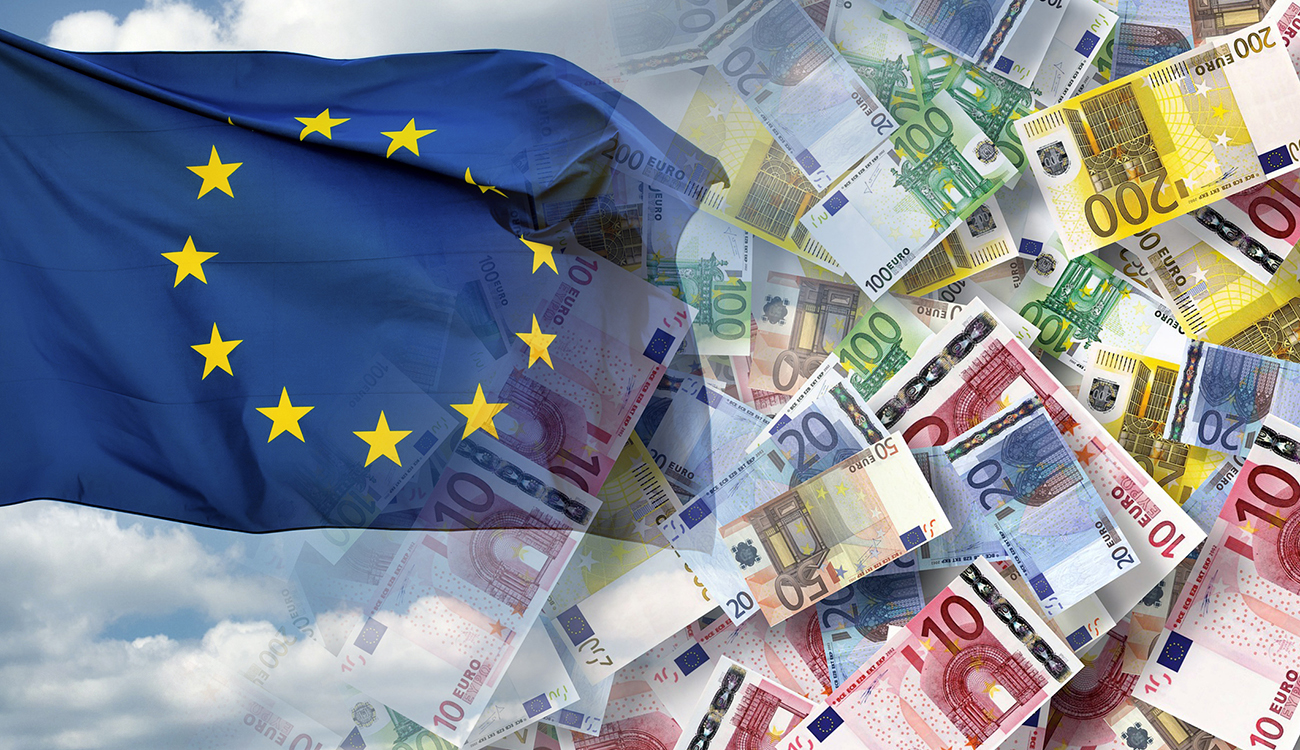
EU Finance Ministers Meet in Brussels
According to UATV: At a meeting in Brussels on March 10, 2023, European Union finance ministers discussed the consequences of Russia's aggression against Ukraine and the financial support for Kyiv. The primary focus was the approval of a €90 billion loan, originally agreed upon in December 2022. This decision was backed by all 27 EU member states, demonstrating the bloc's unity in supporting Ukraine. This substantial financial commitment is part of the EU's broader effort to help Ukraine sustain its economy and government operations during the ongoing war.
However, the meeting did not resolve all issues without complications. Hungary, shifting its stance, introduced additional demands concerning repairs to the 'Druzhba' oil pipeline, potentially complicating the process of delivering aid. Furthermore, ministers discussed the frozen Russian assets within the EU, which exceed €200 billion. These assets are a key component of the sanctions policy designed to pressure Moscow.
Challenges and Support for Ukraine
Calls for continued support for Ukraine were voiced during the discussions.
Kristupas Vaitkevičius noted: 'It is necessary to find a solution to support Ukraine.'Additionally, Simon Harris emphasized that
'sanctions pressure against Moscow is the only realistic way to achieve peace,'adding that
'it would simply not be entirely morally acceptable to make such a decision'regarding reducing aid to Ukraine.
The meeting also covered a proposed 20th package of sanctions against the Russian Federation, but its final approval was hindered by Hungary's position. This indicates that, despite broad support for Ukraine, internal disagreements within the EU can affect the effectiveness of measures taken against Russia.
Thus, the meeting of EU finance ministers in Brussels represented a significant step toward supporting Ukraine, yet it revealed that achieving consensus and implementing plans requires overcoming a series of challenges.
The gathering underscored the critical importance of collective support for Ukraine amid Russia's continuing aggression. Simultaneously, Hungary's stance on the oil pipeline demands highlights how internal political factors can impact the unity and speed of the EU's response to the crisis. The successful delivery of financial aid and the sanctions policy ultimately depend on the member states' ability to find compromises and work together in a complex geopolitical landscape.
Read also
- Ukraine Gets $2.2 Billion IMF Nod, But a Key Reform Delay Holds Up the Payout
- Canada Signals Readiness for Talks as Trump Imposes New Tariffs on Canadian Goods
- Fuel Prices in Ukraine Set to Jump by 7–8 Hryvnias: Here’s When the Increase Is Expected
- Ukraine’s Intelligence Warns of Systemic Crisis in Russia as Wage Arrears Surge by 78%
- Fuel Crisis in Russia Drives a Sharp Drop in Car Sales
- Ride-Hailing Costs Set to Rise in Ukraine: New Taxes Target Bolt and Uklon in 2026