Euro Banknotes to Feature New Look for First Time Since 2002, with Beethoven and Curie Among Proposed Figures.

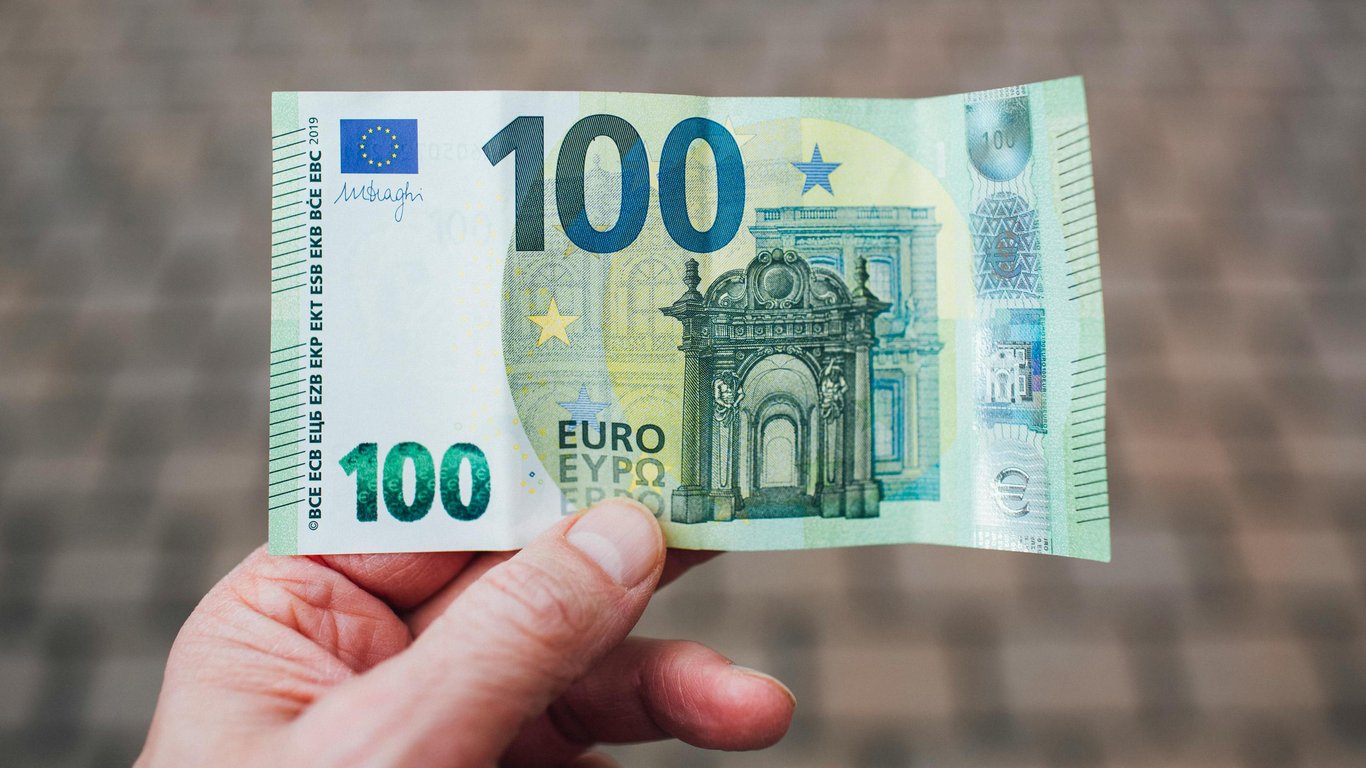
Redesigning the Euro
According to Novyny.live: For the first time since their initial launch in 2002, euro banknotes are set for a complete visual overhaul. The European Central Bank (ECB) has announced plans to introduce a third series of notes, which should enter circulation by the end of this decade. Designers have until the end of March 2026 to submit their concepts, with a final decision on the new look expected by the close of that same year. This redesign process is a significant undertaking, given that the euro is the official currency of 20 of the 27 European Union member states.
The ECB Council has identified two primary themes to guide the new designs: 'Nature' and 'European Culture.' This approach aims to reflect the rich diversity of Europe's identity and shared heritage. A competition for the best design ideas will conclude in June 2026, after which preparations for manufacturing and issuing the new notes will begin.
The Governing Council will decide when to commence production and issuance of the new euro banknotes.
Proposed Banknote Designs
The proposed designs under the 'European Culture' theme include:
- 5 euro - portrait of Maria Callas, street performers;
- 10 euro - portrait of Ludwig van Beethoven, a song festival;
- 20 euro - portrait of Marie Skłodowska-Curie, a school or university;
- 50 euro - portrait of Miguel de Cervantes, a library;
- 100 euro - portrait of Leonardo da Vinci, examples of street art;
- 200 euro - portrait of Bertha von Suttner, an entertainment square.
Additionally, the 'Rivers and Birds' theme features these elements:
- 5 euro - mountain spring and wallcreeper bird, European Parliament building;
- 10 euro - waterfall and kingfisher bird, European Commission building;
- 20 euro - river valley and colony of bee-eaters, European Central Bank building;
- 50 euro - winding river and white stork, Court of Justice of the EU building;
- 100 euro - river estuary and shoebill bird, European Council buildings;
- 200 euro - seascape and northern gannet, European Court of Auditors building.
EU member states that have not yet adopted the euro include Poland, Hungary, Romania, and the Czech Republic. The redesign of the euro is a major event for the European economy and symbolizes the evolution of a shared European identity. The update underscores the European Union's commitment to celebrating the cultural diversity of its member states. By incorporating national symbols and natural landmarks, the new notes could strengthen a sense of unity and common identity across Europe, potentially boosting the currency's appeal in nations yet to join the eurozone.
Read also
- Fuel Crisis in Russia Drives a Sharp Drop in Car Sales
- Ride-Hailing Costs Set to Rise in Ukraine: New Taxes Target Bolt and Uklon in 2026
- Credit Card vs. Online Loan: Which One Saves Ukrainians More Money?
- Russia’s War in Ukraine Marks a Historical Turning Point as Its Economy Cracks Under Pressure
- Brent Crude Surpasses $110 a Barrel: Could Iran Tensions Trigger a Global Energy Crisis?
- Ukraine Strikes Russian Ports: The Cost of a Month-Long Shutdown at Tuapse