Europe is Awaiting a Winter of the Century: When to Expect Record Cold.

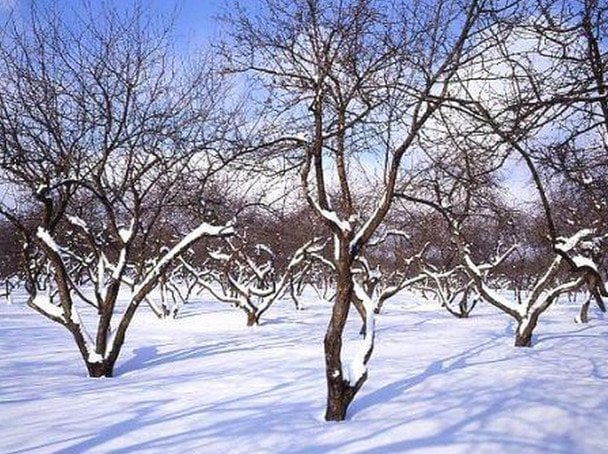
According to ТСН: Europe, especially Germany, may be facing a truly cold winter, especially after the Christmas holidays.
According to meteorologists' forecasts, the polar vortex this winter will be significantly weaker than usual. This situation has already led to a 'winter of the century' in 1978–1979.
Weather Forecast
This scenario implies stable high pressure over Central Europe: calm weather is expected during the day, while strong frosts and fog are anticipated at night.
Impact of Natural Phenomena
Several times a year, changes in the tropical part of the Pacific Ocean significantly impact weather worldwide. These fluctuations are part of the El Niño-Southern Oscillation (ENSO) cycle, which alternates between two main phases: El Niño, when ocean waters are warmer, and La Niña, when they are cooler.
This year, meteorologists note that La Niña conditions have returned, shaping the forecast for the upcoming winter of 2025–2026. While El Niño usually brings mild and wet winters, La Niña typically leads to colder weather conditions in the north and drier ones in the south.
Temperature Records
It is worth noting that scientists have recorded a number of temperature records: January 2024 became the hottest on record, and February 2024 also set records. Researchers express concerns that 2024 will overall be significantly warmer than the previous year.
The main causes of the severe heat are believed to be greenhouse gas emissions, human activity, the slow transition to carbon-free energy sources, and the influence of El Niño in the Pacific Ocean. Some experts also speculate that La Niña, which usually lowers global temperatures, may occur with a delay. There is an 80% chance that neutral conditions may establish in the Pacific Ocean after El Niño ends.
Therefore, forecasts for the coming months suggest that Europe should prepare for sharp temperature fluctuations. Although short-term natural phenomena may not reflect long-term climate changes, observing them can help respond more adequately to weather changes and prepare for potential challenges. In light of global climate changes, it is crucial to consider the impact of various factors that shape the weather in the region.
Read also
- IAEA Demands Iran Report on Uranium Stockpiles, Backed by U.S. and European Powers
- Germany’s Admiral Explains Why Ukraine Now Leads the World in Defense Innovation
- Ukraine Faces Record Night Attack: 221 Drones and Iskander Missiles Launched
- Zaporizhzhia and Sumy Under Russian Attack: Eight Wounded, Hundreds of Structures Damaged
- China Deploys HIMARS for the First Time Toward the Taiwan Strait: Exercise Breakdown
- Overnight on June 11, Russia Launches 221 Drones and Two Missiles in Massive Assault on Ukraine