How Games Shape Our Choices and Values: Insights from Philosopher C. Thi Nguyen.

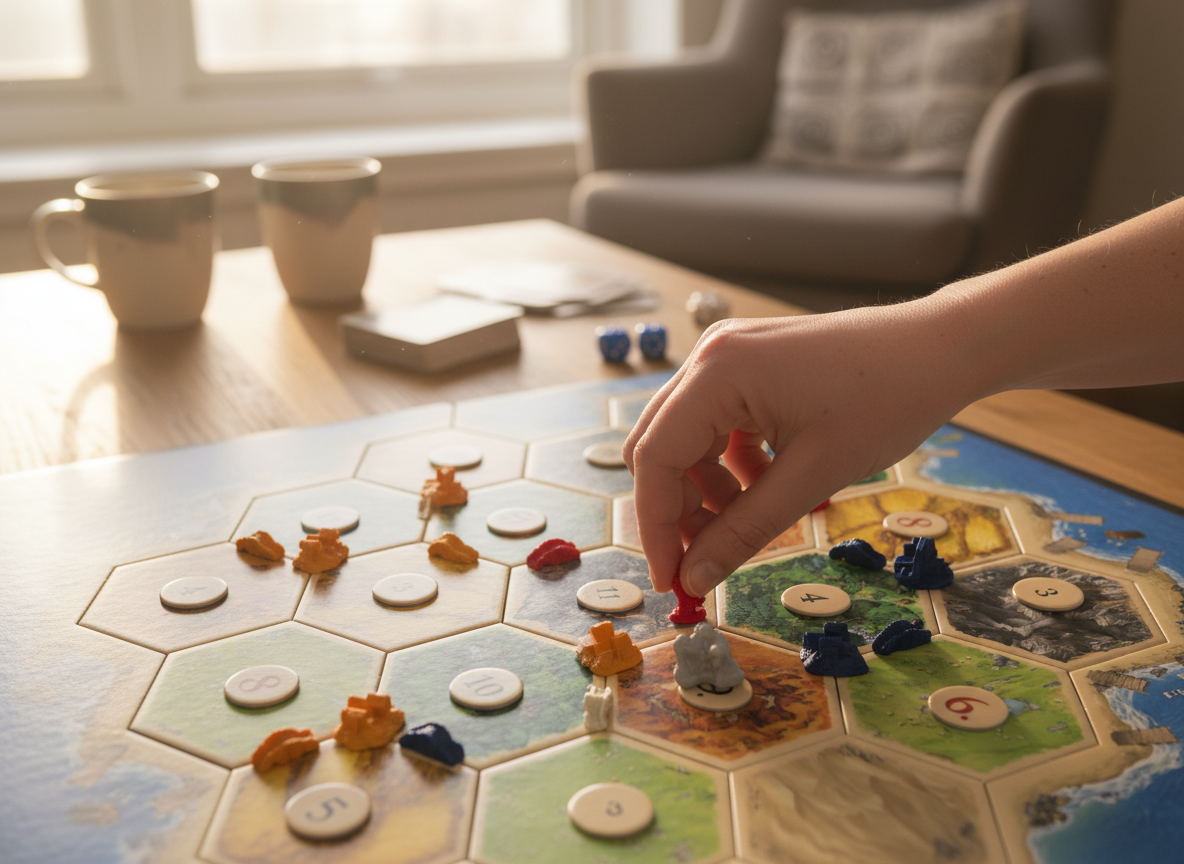
The Role of Games in the Modern World
Games hold a significant position in contemporary life, shaping how people perceive values and make decisions. In his book 'The Score', philosopher C. Thi Nguyen argues that games help us understand the nature of human agency. He states,
“games show us what it means to choose goals, submit to constraints, and care deeply about things that have no obvious significance”— C. Thi Nguyen. This perspective opens new avenues for appreciating the function of games in human experience. Nguyen's work is part of a growing philosophical field examining play, which is increasingly relevant in our digital age.
Nguyen further notes that the 'value of a game' is tied to its methods and obstacles, not merely its outcome. This implies that the journey—the decisions we make and the challenges we overcome—holds greater importance than the final achievement. Games serve as experimental platforms where individuals can test strategies and learn from their mistakes in a consequence-light environment.
Game Types and Their Significance
This idea is complemented by Canadian philosopher Bernard Suits, who in his 1970s book 'The Grasshopper', defines a game as
“the voluntary attempt to overcome unnecessary obstacles, creating an experience of struggle”— Bernard Suits. This definition reinforces Nguyen's point, suggesting that games forge experience and develop skills applicable to real life. The core types of games identified include:
- 'Achievement play'
- 'Striving play'
These categories illustrate different facets of the human drive for success and accomplishment. Both reflect the complexity and richness of human agency, making them vital for understanding social and personal dynamics.
Consequently, games play a substantial role in shaping values and personal development, allowing people to explore their potential under conditions distinct from ordinary life. Their importance extends far beyond mere entertainment; they are tools for fostering critical thinking, creativity, and social skills. Modern research confirms that gameplay can positively influence learning and social adaptation, highlighting the value of integrating games into educational programs and community projects. As a form of interaction, games promote greater self-awareness and understanding of others, contributing to more successful social and personal growth.
Read also