Christian Movies for the Family: the best and most inspiring films.

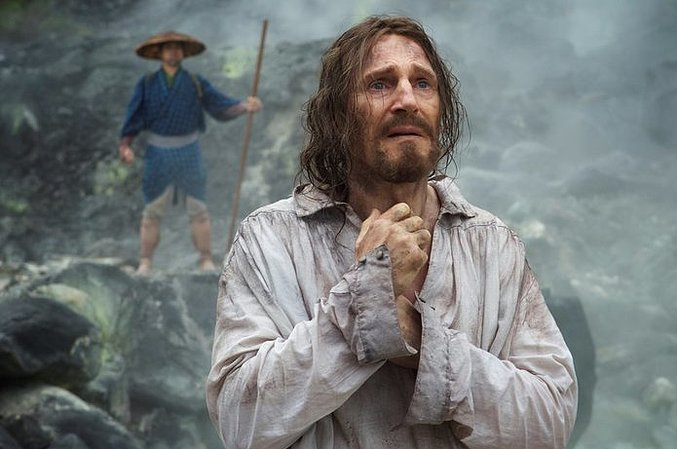
Films about religion hold a special place in cinema overall. They tend to be quite tolerant and maintain a narrative line. Therefore, Christian movies for the family can be interesting, but the best Christian films certainly do not fit everyone.
At the same time, the TOP list of Christian films is constantly updated. New films are consistently being released. It will be possible to choose the best Christian films even when selecting various genres.
The best religious and spiritual films
Family-viewing of films based on biblical plots or Christian values remains one of the most widespread traditions in many families that try to combine quality leisure with the spiritual education of children. Such films address themes like faith, forgiveness, the sense of sacrifice, and the inner transformation of characters, providing viewers not just an entertaining but also a meaningful viewing experience. Cinema has repeatedly taken up religious themes over the decades, creating both grand historical epics and intimate dramas about modern tests of faith.
The genre of religious cinema encompasses a wide range of stylistic and thematic approaches—from large-scale biblical reconstructions with multi-million dollar budgets to modest independent dramas specifically shot for church audiences. A common feature of all films in this selection is the effort to convey the depth of spiritual experience through the lens of human stories that resonate with viewers of different ages and varying degrees of religiosity.
The Passion of the Christ (2004)
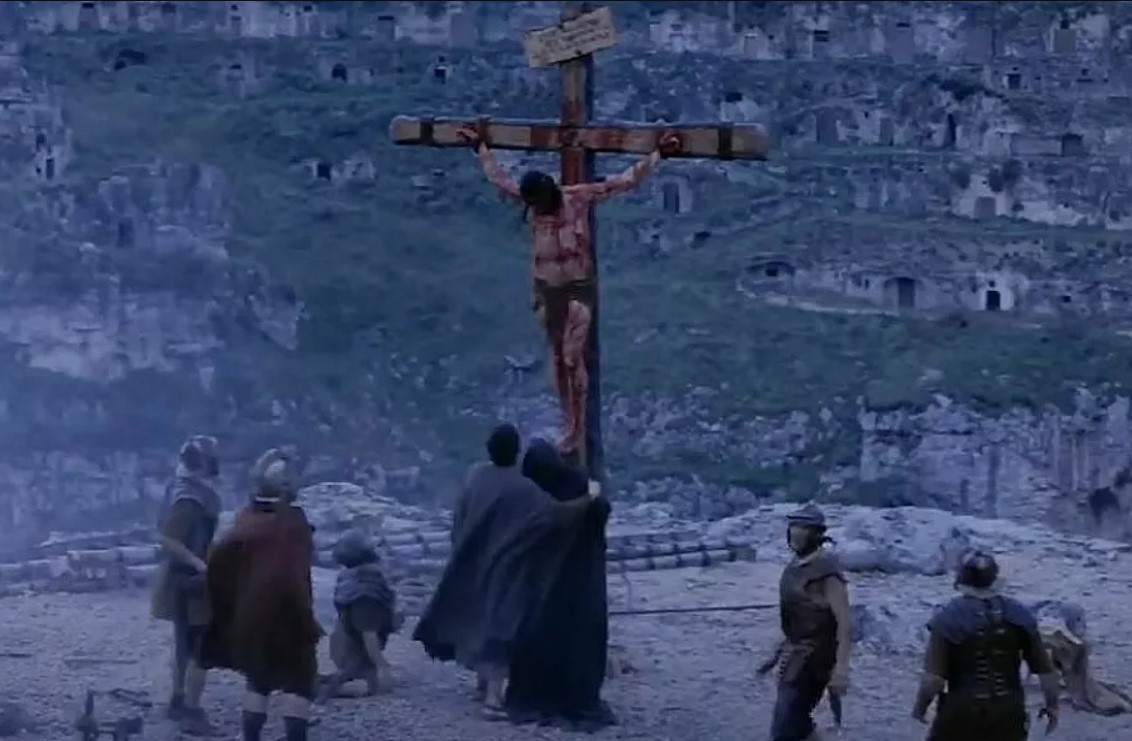
Directed by Mel Gibson, it became one of the commercially most successful and simultaneously controversial works in the history of religious cinema. The film depicts the last twelve hours in the earthly life of Jesus Christ in detail—from the prayer in the Garden of Gethsemane to the crucifixion at Golgotha. Jim Caviezel played the lead role and remained steadfast throughout the physically exhausting shooting, which included hours of makeup and reenactments of beating and cross-carrying scenes.
A peculiarity of the film was the decision to shoot the dialogues exclusively in Aramaic, Latin, and Hebrew with subtitles, which lent the film additional authenticity and documentary persuasiveness. Mary Magdalene, played by Monica Bellucci, and the Virgin Mary, whose role was played by Maya Morgenstern, complement the emotional depth of the film with scenes of maternal sorrow and devotion. The director deliberately avoided softening the depicted cruelties, sparking extensive discussion among critics and theologians about the limits of artistic revelation of sacred events, yet securing the film's status as one of the most powerful spiritual cinema experiences for millions of viewers around the world.
The Chosen (2017–2025)
The multi-part project by director Dallas Jenkins became the first of its kind—a large-scale television series about the life of Jesus Christ, predominantly funded through a crowdfunding platform with support from ordinary viewers, thus becoming one of the most successful independent religious media projects in history. Jonathan Roumie played the lead role and created a portrayal of Christ that radiates humanity, warmth, and humor, distinguishing the series from more traditional biblical adaptations.
The narrative structure of the project focuses not only on the figure of the Savior but also unfolds the stories of the apostles and other biblical characters up to the moment they encounter Jesus, providing the viewer with a psychologically credible context for their subsequent transformation. Especially noteworthy is the storyline of Mary Magdalene, played by Elizabeth Tabish, whose story of liberation from possession is told with rare emotional depth. The series has been recognized for its accurate portrayal of the historical context of the first century, including the cultural and religious realities of Judea at that time, and the massive viewer base of the project continues to grow with each new season.
Ben-Hur (1959)
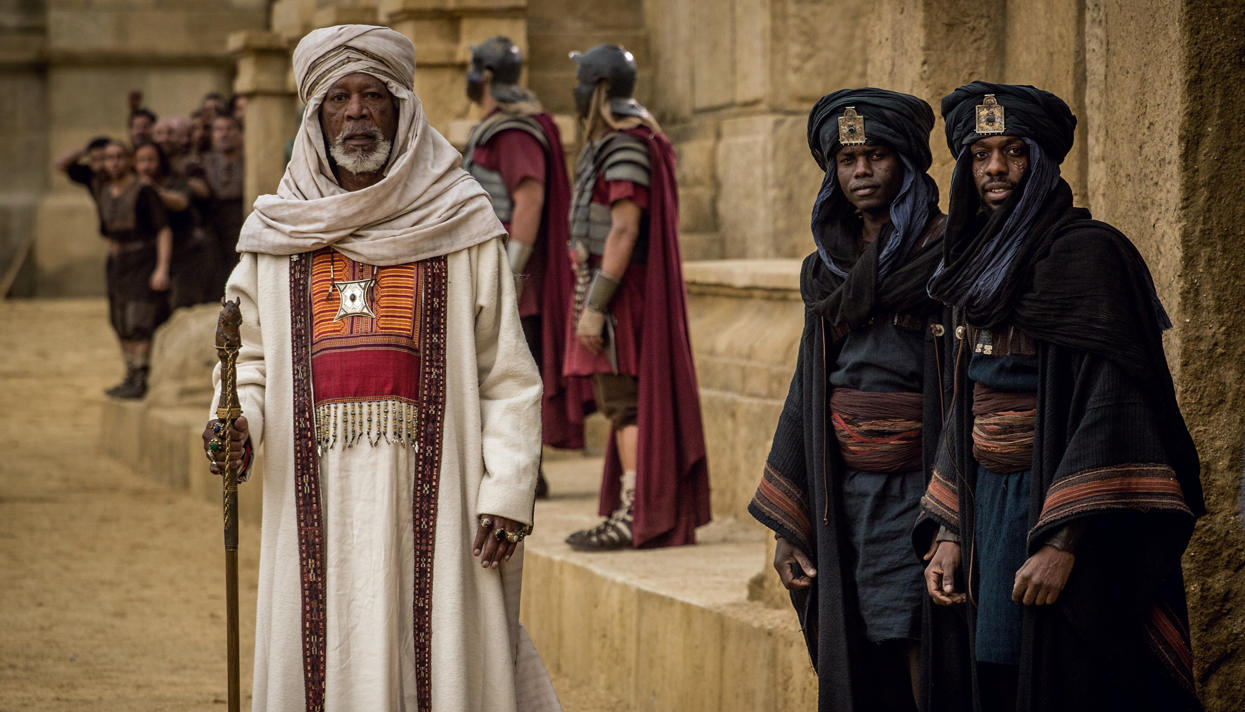
The classic epic directed by William Wyler, based on the novel by Lew Wallace, remains one of the most awarded films in cinema history, winning a total of eleven Oscars. Charlton Heston played Judah Ben-Hur—a Jewish prince who is betrayed by a Roman childhood friend, Messala, and returns after years of slavery at the galleys to take revenge on his tormentor while simultaneously going through a spiritual transformation due to contact with the figure of Christ.
The legendary chariot race scene, which lasted almost nine minutes of screen time and required the construction of a giant arena, remains a benchmark for the staging art of the pre-digital era of cinema. The spiritual thread of the film unfolds parallel to the revenge story and culminates in the scene of the crucifixion, where the main character becomes a witness, ultimately leading to his moral rebirth from a desire for revenge to a state of forgiveness. The film showed that a grand historical blockbuster can organically combine spectacle with a deep spiritual message, making it an exemplary work for subsequent generations of directors in religious cinema.
Risen (2016)
The historical drama directed by Kevin Reynolds offers an original perspective on biblical events, telling the story of the resurrection of Christ from the viewpoint of the Roman Tribune Clavius, whose role was played by Joseph Fiennes. The character is ordered by Pontius Pilate to investigate the mysterious disappearance of the executed preacher's body from the tomb, which gradually leads to a spiritual quest for truth that changes his own beliefs.
The detective structure of the narrative, which is atypical for the genre of biblical cinema, allows viewers to experience the events of the resurrection through the lens of a hero experiencing skeptical, rational thinking, whose transformation from disbelief to deep faith demonstrates the universality of spiritual quest. Tom Felton played the role of the junior officer Lucius, who accompanies the main character during the investigations. The film was acknowledged for its atypical approach to the well-known biblical story, and the historical accuracy of representing the Roman occupying authority provided additional persuasiveness to viewers who appreciate the connection of spiritual content with detective genre elements.
Paul, Apostle of Christ (2018)
The dramatic film directed by Andrew Hyatt focuses on the last days in the life of the Apostle Paul, who is imprisoned during the persecution of the Christian community under Emperor Nero in Rome. James Faulkner plays the lead role and creates the image of the older apostle, who, while awaiting execution, dictates his final messages to the doctor Luke, whose role is played by Jim Caviezel, returning to religious cinema after his role in The Passion of the Christ.
The film unfolds parallel to the story of the Roman Christian community, which is constantly in danger of persecution and is forced to make decisions about a possible escape attempt from the city for their own safety. The inner conflict of characters between fear for their own lives and dedication to faith forms the emotional core of the film, complemented by flashbacks to the past of the Apostle Paul as a persecutor of Christians until his conversion on the way to Damascus. The film features an intimate, restrained narrative style that avoids excessive spectacle in favor of a deep psychological exploration of the character of one of the most influential figures in early Christianity.
Fireproof (2008)
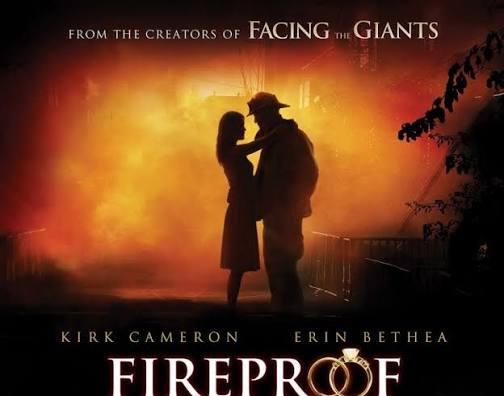
The drama by the Kendrick brothers tells the story of firefighter Caleb Holt, whose role is played by Kirk Cameron, whose marriage is on the brink of collapse due to professional burnout and accumulated resentment between the couple. The father of the main character proposes a forty-day challenge called "Love Dare"—a structured daily action plan aimed at restoring relationships through the lens of Christian principles of selfless love.
The film, produced with a low budget predominantly by volunteer members of the local church community, achieved unexpectedly large commercial success and became one of the most successful independent religious dramas of its time. The realistic portrayal of the marital crisis, which lacked excessive didacticism, resonated with a wide audience, including couples also experiencing similar problems in their own relationships. The film established the popularity of the genre of contemporary Christian family dramas, aiming to integrate biblical principles into everyday life.
The Shack (2017)
The adaptation of the best-selling book by William P. Young, realized by director Stuart Hazeldine, explores the theme of overcoming deep personal trauma through the lens of a supernatural spiritual encounter. Sam Worthington played Mack Phillips—a father whose youngest daughter becomes a victim of kidnapping and murder, after which the man receives a mysterious invitation to return to the shack in the woods where the tragedy occurred.
In the shack, the character experiences a mystical encounter with three figures embodying the Trinity: Octavia Spencer played the image of God the Father, depicted as a loving maternal figure, Israel Broussard took on the role of Jesus Christ, and Sumire Matsubara portrayed the Holy Spirit. Through dialogues with these characters, the main character gradually undergoes the journey from anger and accusations against God in the face of his own suffering towards forgiveness and restoration of trust. The film, despite theological discussions about the unconventional portrayal of the Trinity, was recognized by the audience for its emotional sincerity in addressing the theme of overcoming loss and spiritual healing after tragedy.
Silence (2016)
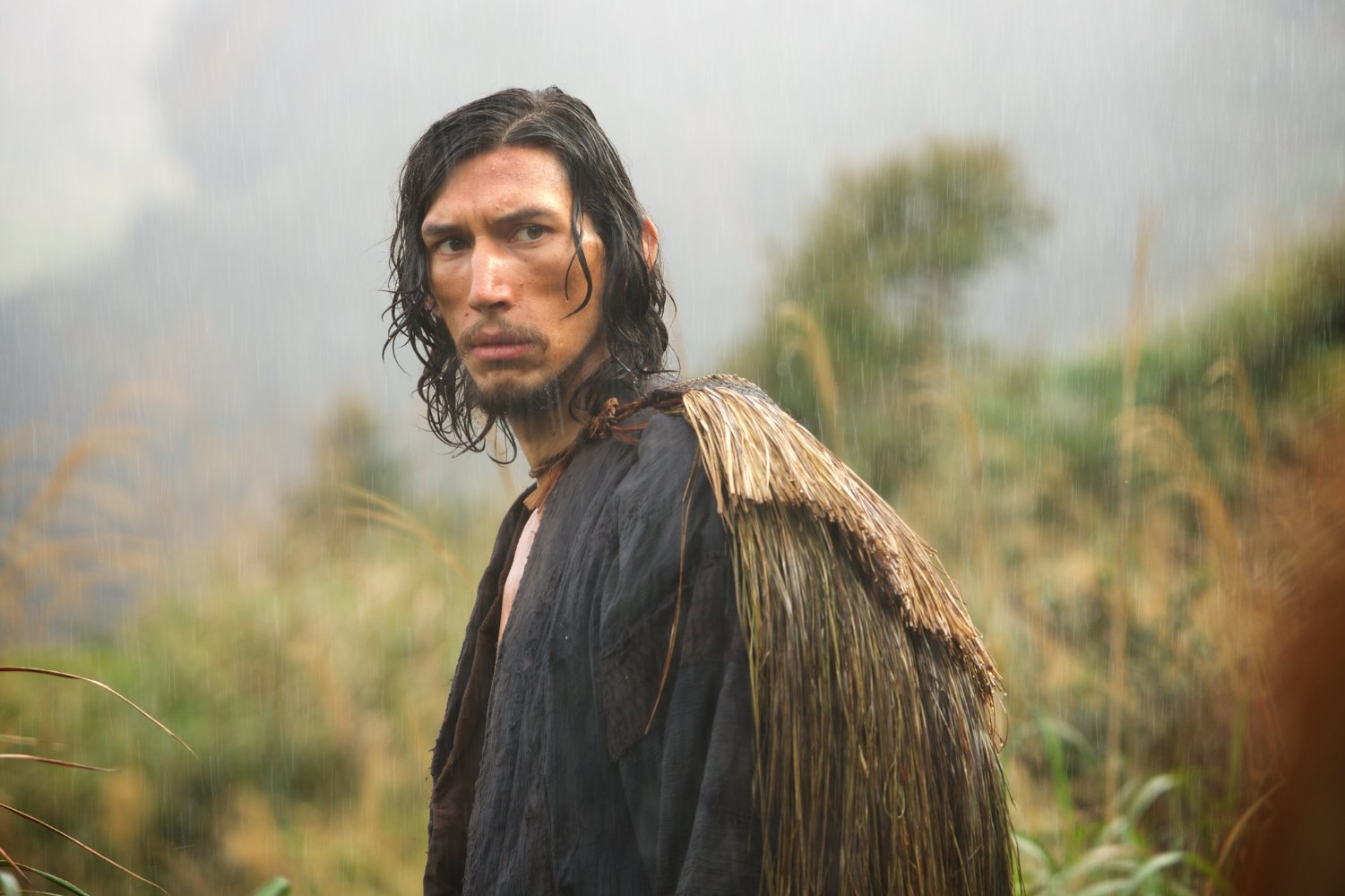
The historical drama directed by Martin Scorsese, based on the novel by Shusaku Endo, is the result of nearly thirty years of the director's work on the adaptation, which examines the deep crisis of faith faced by two Portuguese Jesuit missionaries in seventeenth-century Japan. Andrew Garfield and Adam Driver played priests who embark on a quest to find their mentor, whose role is played by Liam Neeson, who supposedly renounces his own faith under the pressure of cruel persecutions by the Japanese government.
The film uncompromisingly explores the themes of spiritual doubt, God's silence as a response to human suffering, and the limits of personal self-sacrifice for convictions. Garfield's character undergoes the deepest spiritual crisis as he witnesses the martyrdom of converted Japanese Christians and confronts the impossible choice between remaining true to his faith and ensuring the survival of his followers. Unlike most films in this selection, Scorsese’s film does not offer comforting answers but instead immerses the viewer in a challenging philosophical dialogue about the nature of faith in times of existential trials, making it one of the most profound works in the genre of religious cinema.
God's Not Dead (2014)
The drama directed by Harold Cronk tells the story of Christian student Josh Wheaton, whose role is played by Shane Harper, who is forced to publicly defend the existence of God against a philosophy professor who demands that all students in the course write an acknowledgment of God's death to pass the class. The film is built around a series of debates between the main character and the skeptical lecturer, played by Kevin Sorbo, which unfold throughout the semester before an audience of classmates.
The film parallelly develops several subplots, including the story of a journalist battling cancer and a Muslim student who keeps her conversion to Christianity secret from her conservative family. Aimed primarily at an evangelical Protestant audience in the United States, the film achieved significant commercial success and established a franchise with several sequels. The film addresses current issues of coexistence between scientific worldview and religious belief in the academic environment while offering the viewer a clear apologetic position supporting religious convictions.
Miracles from Heaven (2016)
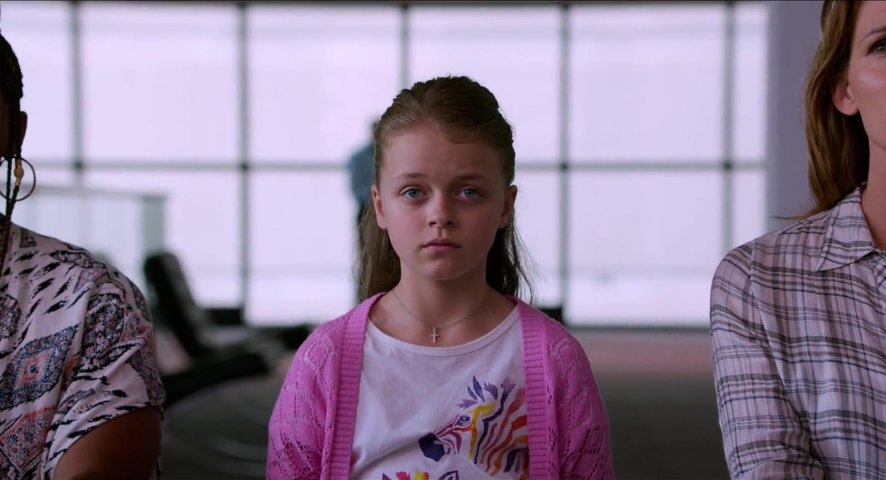
The drama directed by Patricia Riggen, based on the true story of the Beam family, tells of a mother, played by Jennifer Garner, whose daughter Anna suffers from a rare, incurable digestive disease. The film explores the deep spiritual crisis of the parents, who, despite their sincere faith, face a trial that can shake even the strongest beliefs about divine justice and mercy.
The crucial turning point of the plot, based on a true event, when the girl falls from a great height into an empty tree while playing and unexpectedly is healed from the incurable disease, is presented by the director without excessive sentimentality, preserving the documentary authenticity of the original story. Quinn Shephard, who played the younger child of the family, and Martin Henderson as the father complement the emotional ensemble of the film, which addresses the theme of supporting family unity in the face of uncertainty. The film was recognized for its honest presentation of how severe trials can strengthen the family's faith rather than destroy it, making it especially relatable for families experiencing similar life challenges.
However, it can be quite difficult to choose such a film according to personal preferences. After all, religious themes are usually associated with drama and are significantly rarer with comedy or even romance.
Read also
- Ukrainian Olympic Gymnast Anna Rizatdinova Opens Up About Her Italian Getaway: A Much-Needed Reset
- Kylie Minogue Escapes to Corsica: Inside the Star's Island Getaway
- Selena Gomez Turns 34 in Italy with Husband: A Romantic Surprise Celebration
- $15,000 Paid to Blackmailer: Olena Topolya Announces End of Investigation
- Brad Pitt and Angelina Jolie’s Daughter Files to Drop His Surname: Inside the Court Petition
- Singer NK Surprises Fans with Unexpected Return to Kyiv: Who Joined Her on a Stroll Along Khreshchatyk