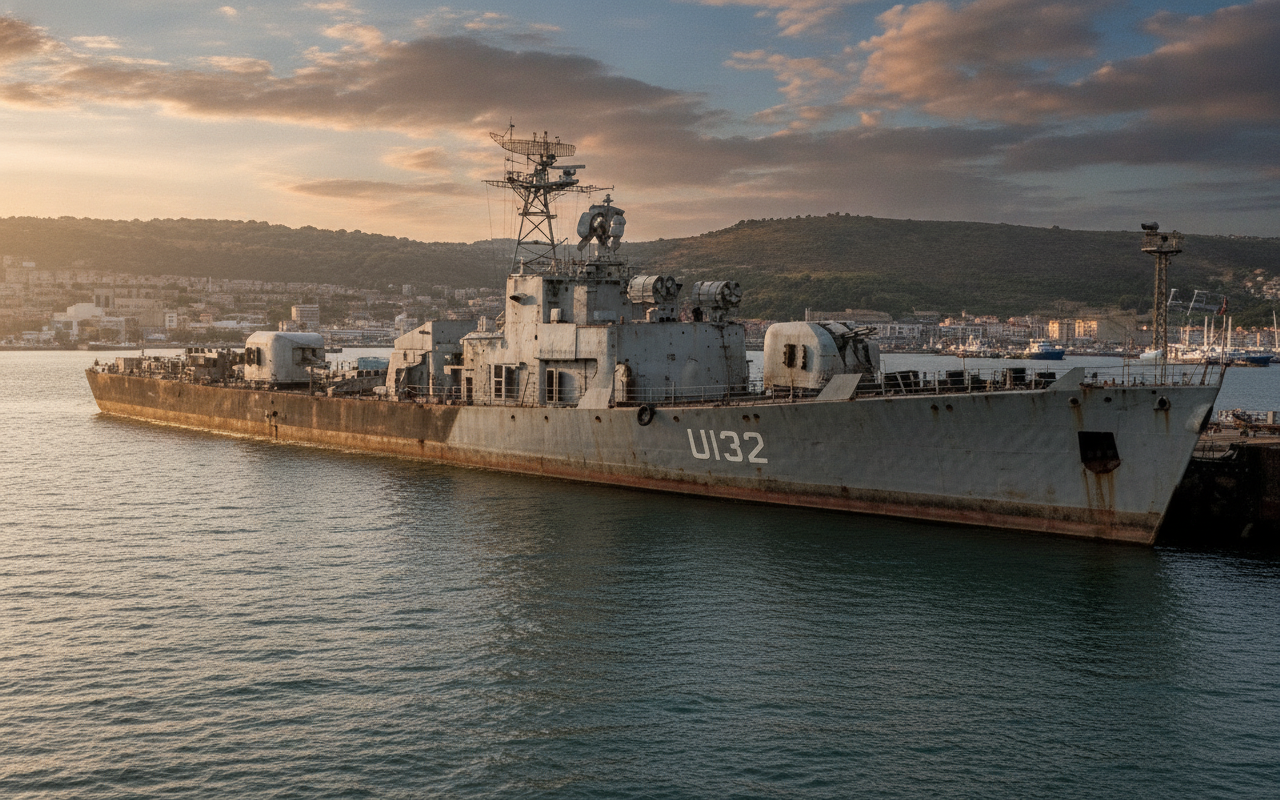
Oil Prices Surge Toward $90 a Barrel as Iran Blocks the Strait of Hormuz.

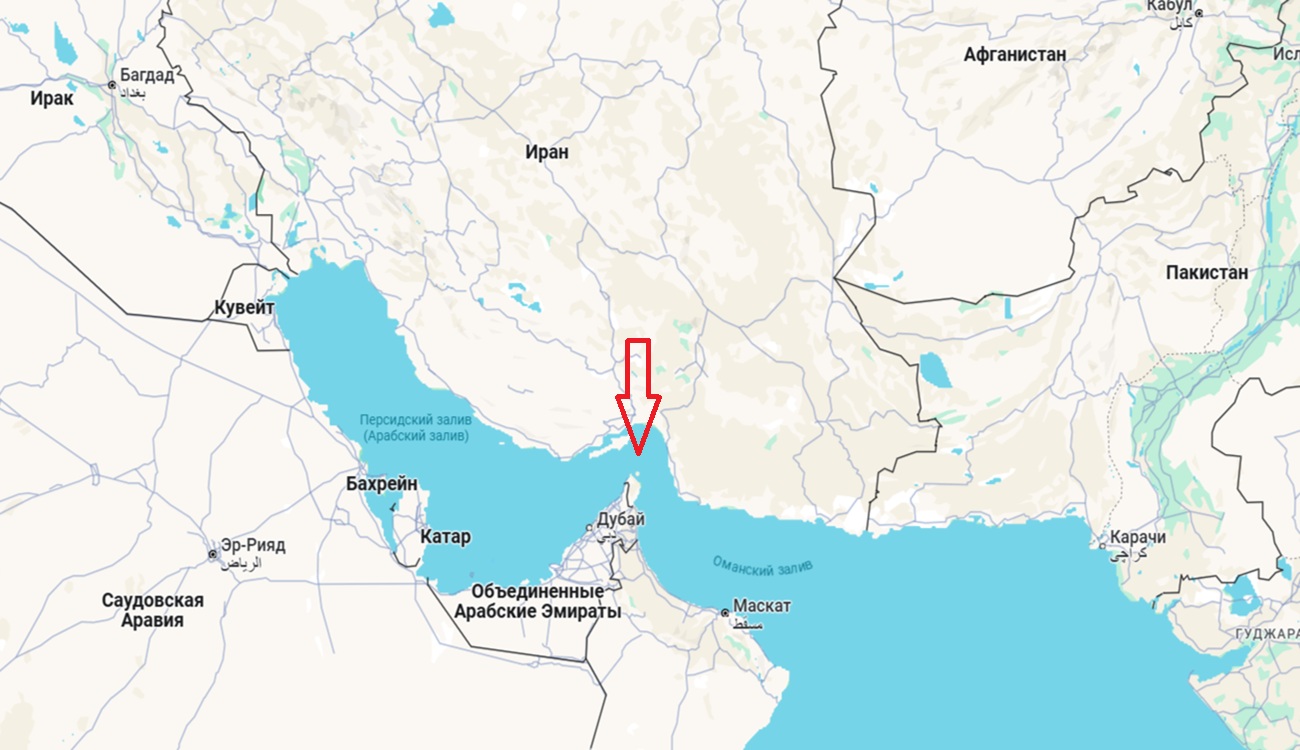
Strait of Hormuz Tensions
According to UATV: Heightened tensions in the strategically vital Strait of Hormuz, stemming from aggressive actions by the United States and Israel, have led to a severe restriction of vessel access. This blockage has immediate and significant consequences for global energy markets, given that approximately 20% of the world's oil consumption transits through this narrow waterway. The ongoing military activity has reduced ship traffic through the strait by 90%, triggering an instant reaction in oil markets.
Brent crude prices have jumped by over 7%, reaching $90 per barrel. This sharp increase reflects deep investor concern over the stability of oil supplies from the region, which in turn impacts the global economy. During the first 10 days of the military operation, more than 5,000 targets were struck, and 50 of Iran's maritime assets were damaged or destroyed.
Western Nations Respond
In response to this threatening situation, Western nations, including the United States and France, are planning to secure safe navigation in the Strait of Hormuz. U.S. President Donald Trump has articulated his stance, stating:
“I will not allow a terrorist regime to hold the world hostage” - Donald Trump
This underscores Washington's determination to support stability in the region.
The French naval force, which is engaged in securing the Strait of Hormuz, comprises:
- 8 frigates
- 2 multi-role amphibious assault ships
- The aircraft carrier 'Charles de Gaulle'
These military assets could play a crucial role in attempts to ensure the safe passage of vessels in the region.
Meanwhile, Iranian representative Abbas Araqchi asserted: “This is not our fault that the strait is blocked,” highlighting Tehran's position on the situation. Such statements point to a continuation of tensions between Iran and Western countries, which could lead to a further escalation of the conflict.
For now, according to a military spokesperson, “We are ahead of the schedule we had planned for this point,” indicating active measures by Western states in the region. The situation in the Strait of Hormuz remains under close watch by the international community, as developments could have serious repercussions for global economic and security stability.
This crisis highlights the region's critical importance to the world energy market, as its stability directly influences oil pricing. The Strait of Hormuz is a perennial flashpoint, and its closure represents one of the most significant risks to global energy security. Given the rising prices and escalating military actions, potential further steps by Western powers may intensify the conflict, requiring careful monitoring by the international community.
Read also
- 50% Tariffs Imposed by Trump on Canadian Goods: Automobiles, Alcohol, and Dairy Hit Hard
- Trump Denies Netanyahu Arrest in US as ICC Warrant Looms Over Israeli PM’s UN Visit
- What Trump and the UK’s New Prime Minister Discussed in Their First Call
- Iran Faces US-Israel Ultimatum: Accept a Ceasefire or Prepare for Joint Military Action
- Iran Crisis Deepens: Why a Military Solution Is Inevitable, According to an Expert
- Why Rubio’s Call to Protect Shipping in the Strait of Hormuz Matters for Global Security