New Mandatory Cash Register Rules for Ukrainian Sole Proprietors: What City and Rural Business Owners Need to Know.

Key Update from Ukraine's Cabinet of Ministers
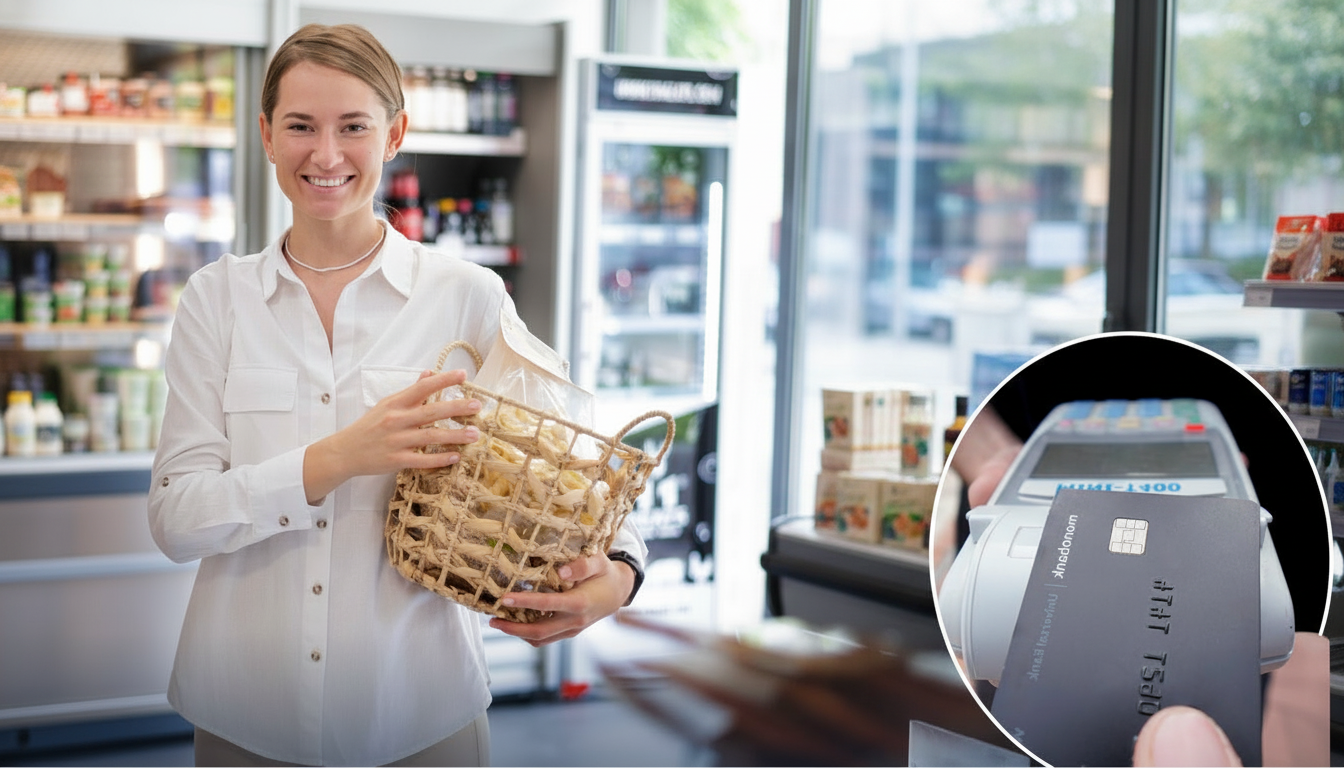
According to Novyny.live: Ukraine's Cabinet of Ministers has passed Resolution No. 1336, making it compulsory for individual entrepreneurs (known as FOPs) to use cash registers for all transactions—whether paid in cash or by card. This move targets those selling goods or services and aims to tighten oversight of financial flows. For context, this regulation is part of a broader push to modernize tax compliance and reduce the shadow economy in Ukraine.
Exemptions for Simplified-Tax Entrepreneurs
Under the new framework, some FOPs on the simplified tax system who sell non-excise goods are exempt. They won't need to use either traditional cash registers (RRO) or their software-based counterparts (PRRO). This carve-out is designed to ease the burden on small business owners, especially those operating in rural areas.
Entrepreneurs running sales points in both cities and villages face distinct requirements that vary by location. This could reshape how they manage daily operations, as record-keeping and cash register use now depend on where business is conducted.
Separately, residents of four Ukrainian regions are set to receive $3,100 in payouts, offering potential financial relief for entrepreneurs navigating these changes. However, note that Oschadbank has closed accounts for two categories of Ukrainians who had no transaction activity for a year, which might complicate banking for some business owners.
Adopting this resolution could significantly alter Ukraine's business landscape by boosting transparency in financial dealings. At the same time, the exemptions for certain entrepreneurs aim to shield small businesses, which often struggle financially. Combined with regional payouts, the government appears focused on fostering a more supportive environment for entrepreneurship amid economic uncertainty.
Read also
- Canada Signals Readiness for Talks as Trump Imposes New Tariffs on Canadian Goods
- Fuel Prices in Ukraine Set to Jump by 7–8 Hryvnias: Here’s When the Increase Is Expected
- Ukraine’s Intelligence Warns of Systemic Crisis in Russia as Wage Arrears Surge by 78%
- Fuel Crisis in Russia Drives a Sharp Drop in Car Sales
- Ride-Hailing Costs Set to Rise in Ukraine: New Taxes Target Bolt and Uklon in 2026
- Credit Card vs. Online Loan: Which One Saves Ukrainians More Money?