Russia's Defense Industry Hit as China Imposes 150% Price Hike on Optical Fiber.

Russia's Reliance on Chinese Optical Fiber
According to TSN.ua: Russia has become critically dependent on China for optical fiber, a key component for its military technology, due to failures in its own domestic production. Since the start of 2025, prices for Chinese fiber have surged by 150%, significantly driving up costs for Russia's defense industry. This reliance is underscored by Russia's use of Chinese-made modems for its drones, highlighting how crucial these imports are for sustaining and innovating its military-industrial base.
This dependency has deepened as Russia's sole domestic optical fiber manufacturer, the 'Optical Fiber Systems' plant, has been idle since May 2025. That facility previously produced roughly 4 million kilometers of fiber annually. Now forced to seek alternatives from China, Russia faced a steep price increase in January 2026, with the cost per kilometer jumping from $2.34 to $5.85. This makes essential resources for technologies like drones substantially more expensive.
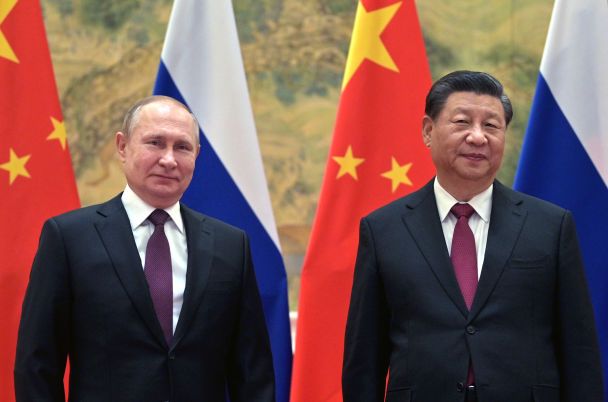
Economic Ties Between China and Russia
China's role as a supplier is pivotal, as it accounts for over 60% of global optical fiber production. The economic relationship is further cemented by the fact that Beijing purchases about 40% of all Russian oil exports. Analysts note the strategic importance of this partnership; the Institute for the Study of War states that
"the supply of Chinese-origin components to Russia has been crucial for the ability of the Russian defense-industrial base to adapt, innovate, and continue the war against Ukraine."
Consequently, cooperation between China and Russia in the production of optical fiber and other technological components is growing increasingly significant in light of current defense industry challenges and needs.
Given Russia's growing reliance on Chinese fiber supplies, the situation could impact the country's strategic military capabilities. The price hikes are likely to impose additional costs on the Russian defense sector, potentially complicating funding for other critical projects. This technological interdependence underscores the continued importance of Sino-Russian collaboration amidst ongoing global economic and political shifts. The situation illustrates how supply chains for dual-use technologies have become a focal point in modern geopolitical tensions.
Read also
- Over 160 Businesses Damaged in Odesa Region: State Offers Grants Up to 16 Million Hryvnias
- Kharkiv Allocates 500 Million for Heating Season as City Braces for Renewed Russian Strikes
- EU Loan Restrictions Block Military Pay Raises Up to 460,000 Hryvnias
- Economist Reveals Main Driver of Inflation in Ukraine and Who Will Be Hit Hardest
- Russia Admits Budget Default as War Drives Deficit to 6 Trillion Rubles
- Chinese EVs in Europe Lose Value Fast: Why a Three-Year-Old Model Can Drop 62% of Its Price