China Launches Another Naval Patrol Near Taiwan: What Drives the Latest Maritime Operation.

China’s Operations and Regional Reactions
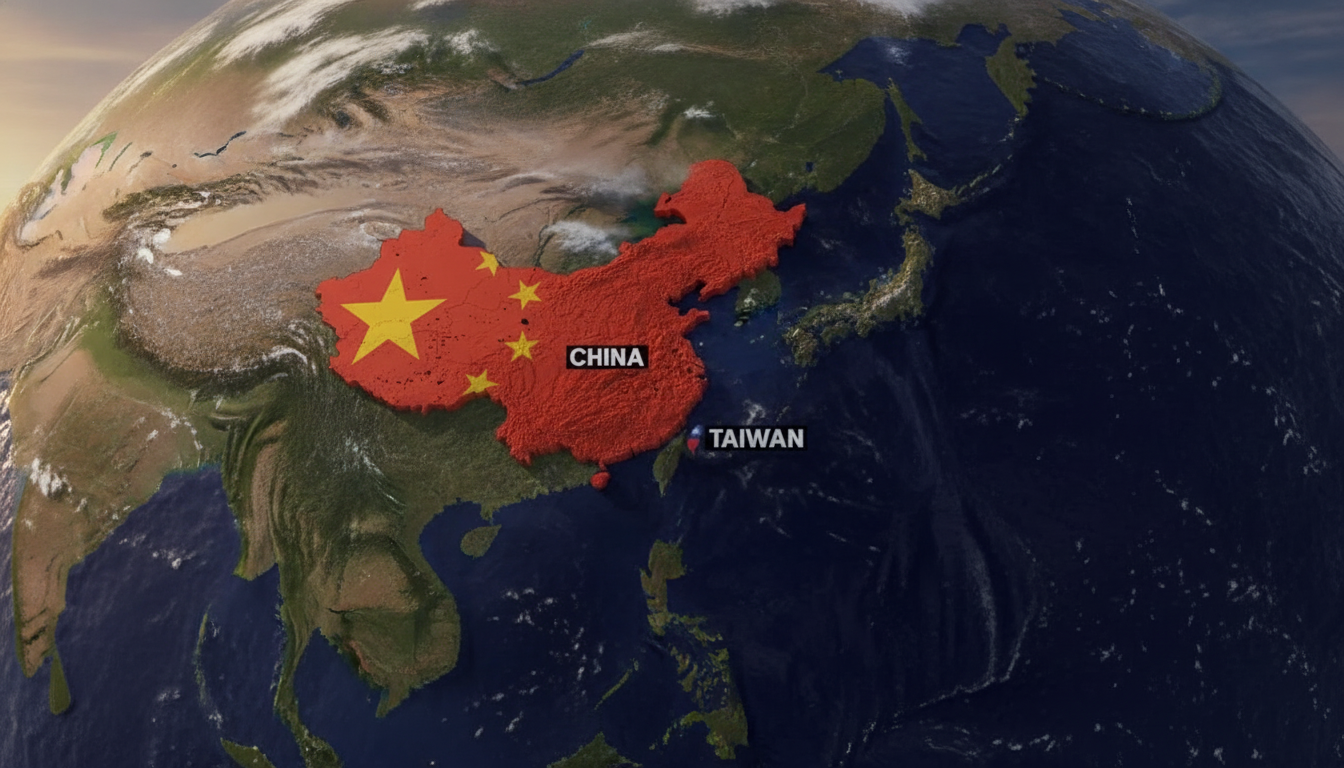
According to Espreso.tv: China has conducted its second maritime law enforcement operation in a week, aimed at asserting its 'maritime administrative jurisdiction' and safeguarding national interests. These actions have stirred tensions in the region, particularly in light of a recent security agreement between Japan and the Philippines to bolster maritime safety.
On June 1, 2023, China deployed coast guard vessels for patrols east of Taiwan. This move is seen as part of Beijing’s broader strategy to protect its maritime claims in the area. Around the same time, Japanese Prime Minister Sanae Takaichi met with Philippine President Ferdinand Marcos Jr. to discuss security cooperation between their nations.
Japan-Philippines Military Collaboration
Notably, on January 15, 2023, Japan and the Philippines signed a military logistics support agreement, highlighting their deepening defense ties. Japan has also allocated approximately $5.7 million to modernize the Philippine armed forces, reflecting joint efforts to enhance regional security.
In response to China’s actions, Taiwan’s Ministry of Foreign Affairs stated:
“China has no right to speak on behalf of the island regarding maritime boundary issues.” - Taiwan’s Ministry of Foreign Affairs
This statement underscores Taiwan’s stance on its autonomy and its rejection of Chinese jurisdiction over maritime matters.
The regional situation remains tense, and China’s next moves could affect relations among Japan, the Philippines, and Taiwan, as well as overall security in the Asia-Pacific region.
Overall, China’s increased activity in waters near Taiwan, alongside the Japan-Philippines agreement, points to growing competition for influence in the area. These developments may lead to further escalation as countries seek to strengthen their positions amid rising Chinese military operations. In this context, monitoring events and international responses to these shifts in the Asia-Pacific power balance is crucial.
Read also
- Russian Airstrike Hits Izium: Cargo Office of Nova Poshta Damaged by Guided Bomb
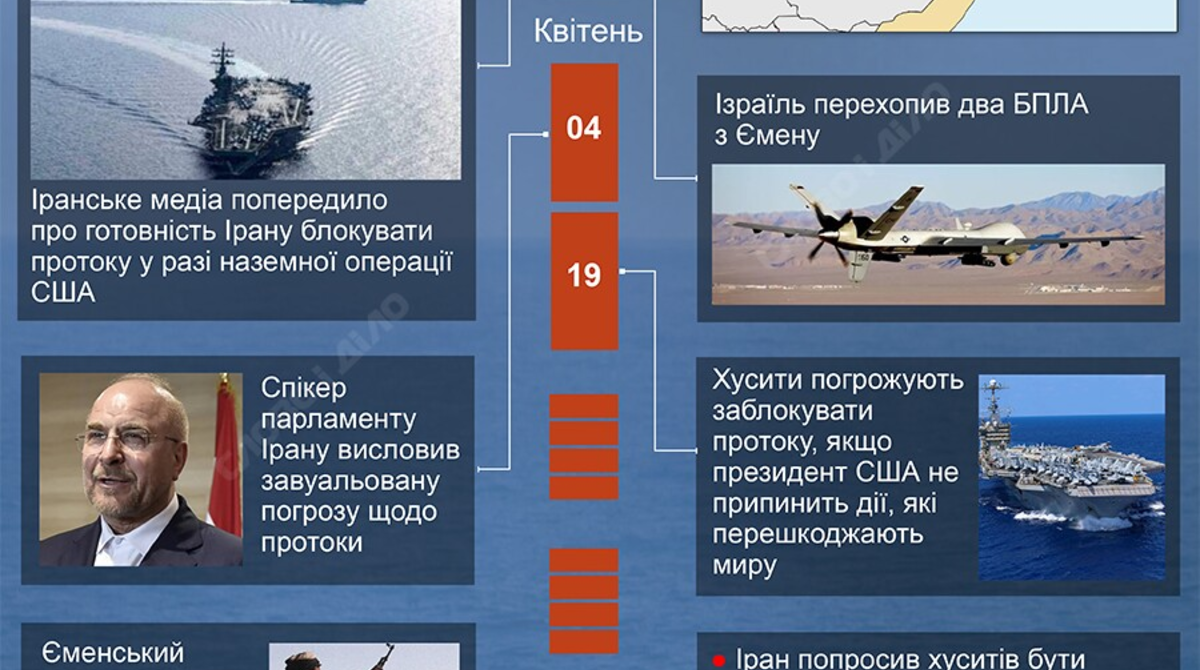
- Iran Blockades the Strait of Hormuz: Houthis Shut Down Bab el-Mandeb in 2026
- Five Fuel Trucks Destroyed in Ukrainian Strike on Russian Military Convoy in Luhansk
- Ukraine's Defense Forces Eliminate 1,410 Invaders and a Russian Jet in a Single Day: Updated Enemy Losses
- U.S. Probes Alleged Russian Aid to Iran in Attacks on CIA Facilities
- What Russia's Sabotage Units Are Really After in Northern Ukraine: Bratchuk Reveals the Enemy's Key Objective