Income Reporting Now Mandatory for PrivatBank Customers: Risks of Non-Compliance Explained.

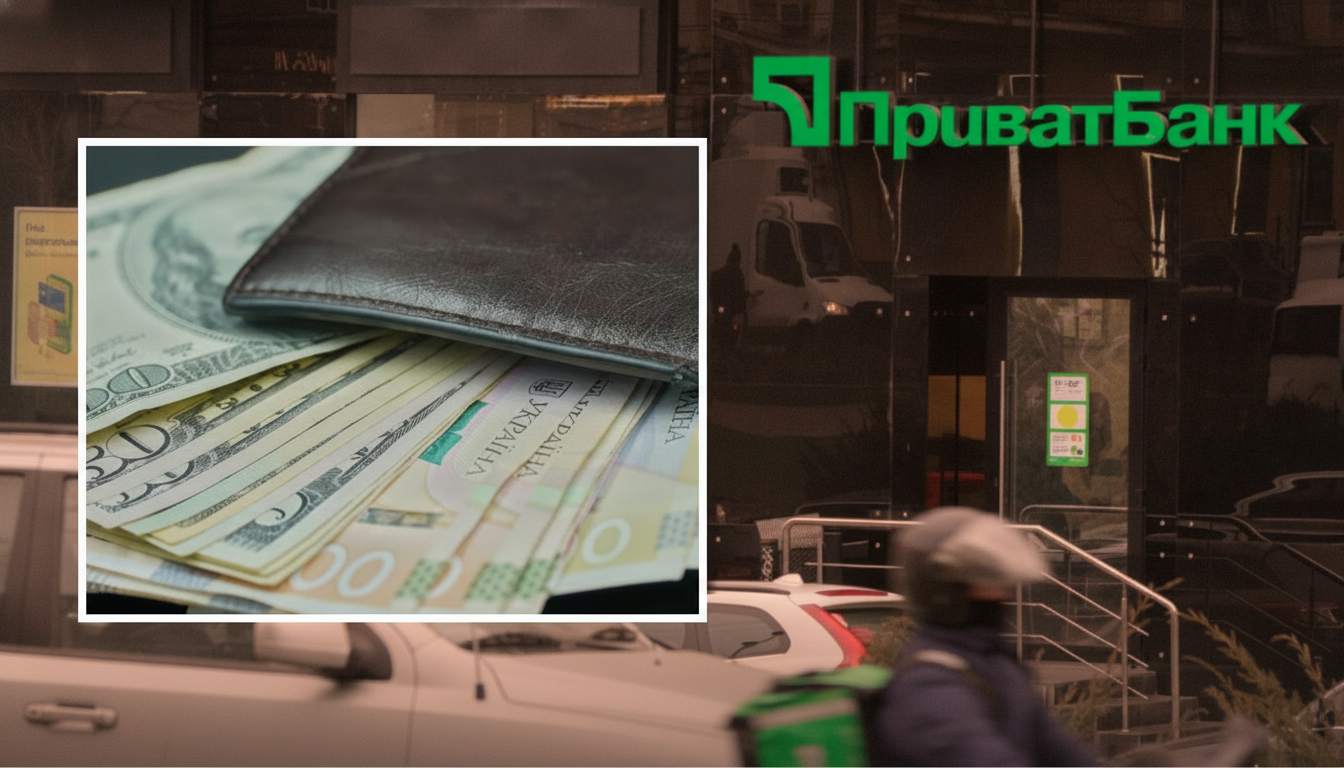
What PrivatBank Clients Must Know About Financial Monitoring Rules
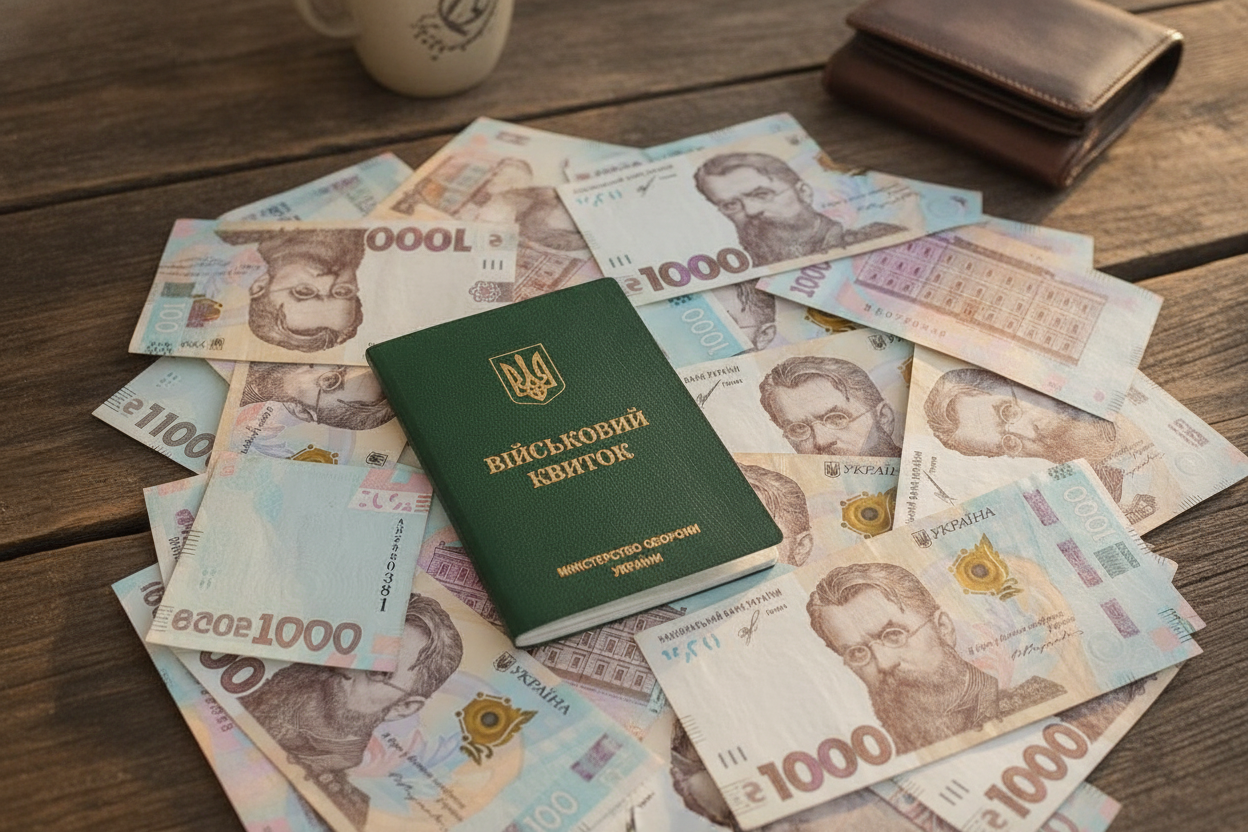
According to Novyny.live: Customers of PrivatBank are now required to report their monthly income in line with financial monitoring legislation. This involves declaring the maximum amount of funds expected to flow into their card accounts each month. If contacted by state financial authorities, clients must update their information within 30 days. Failure to comply could result in the freezing of their accounts.
Under Law No. 361-IX, clients must disclose personal details regarding their financial inflows. The standard monthly transfer limit within Ukraine is set at 100,000 UAH. Customers are also obligated to refresh their data at least once every five years. This process is a key component of financial oversight, enabling the bank to track and regulate client transactions effectively.
Why Meeting These Requirements Matters
A PrivatBank manager stated: 'I will set your card transfer limit at 3,000 hryvnias. If you receive more than that, you will need to report it to the bank.'
This example underscores the importance of adhering to income reporting obligations. Clients must understand these rules to avoid potential disruptions in accessing their accounts.
The data update procedure at PrivatBank, along with step-by-step instructions, is designed to help customers stay compliant. Why is reporting income to PrivatBank necessary? This question is critical for ensuring the stability of financial operations and preventing fraud. Customers who ignore these requirements risk not only account restrictions but also complications in future banking activities.
Given these points, it is essential for all PrivatBank clients to be fully aware of their financial monitoring duties and follow the established guidelines to maintain uninterrupted access to banking services. Adhering to these rules not only protects the bank’s interests but also safeguards clients’ financial security, a vital concern in today’s economic landscape.
Read also
- Gazprom Shares Hit a 20-Year Low: What Triggered the Collapse?
- Russia's Shadow Fleet Under Fire: Black Sea Oil Exports Face Systemic Disruption
- Russian Billionaires Accelerate Capital Flight Abroad Amid Growing Economic Fears
- Fuel Shortages and Rising Prices Drive Russians to Buy Foreign Currency in Droves
- Capital Flight from Russia: Why Billionaires Are Moving Assets Abroad
- New Government Center to Manage Employee Reservations: Salary Thresholds Set at Critical Levels