Eggshell Color Doesn't Determine Quality: What Really Affects Taste.

The Truth About Eggshell Color and Quality
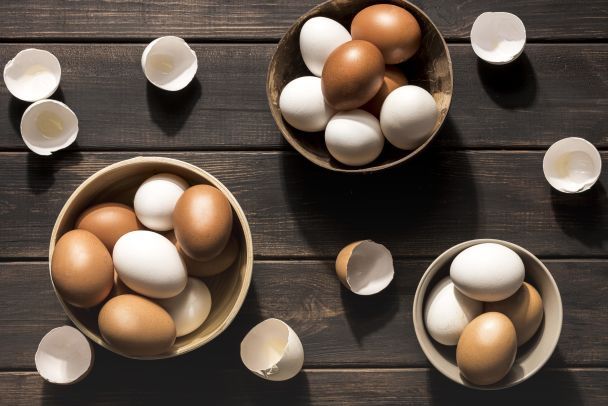
According to TSN.ua: The color of an egg's shell has no bearing on its nutritional value or flavor; it is purely determined by the breed of the hen. Hens with white feathers and light earlobes lay white eggs, while those with darker feathers and earlobes produce brown eggs. For shoppers, this means shell color should not be used as a quality indicator. In the United States and many other countries, both colors are equally common in supermarkets.
Several key factors actually determine egg quality, including:
- the hen's diet;
- its living conditions;
- and the freshness of the egg.
Hens fed a high-quality diet lay eggs with richer, more vibrant yolks. Furthermore, access to pasture and sunlight positively impacts egg quality, making them more flavorful and nutritious.
Fresh eggs have a firmer egg white texture and a more pronounced yolk aroma, which are important characteristics for consumers. Therefore, the primary influences on an egg's taste and quality are linked to the hen's nutrition and welfare, not its shell color. This information helps dispel common myths and enables more informed purchasing decisions.
How This Knowledge Influences Consumer Choice
Understanding that shell color is not a marker of quality can significantly shape consumer choices, reducing food-related stereotypes. It also highlights the importance of animal diet and husbandry practices, which can drive improvements in egg production standards. Consequently, consumers can not only enhance their own diet but also support more ethical and healthy farming methods.
Read also
- No June Blooms for Your Jasmine? Follow These 3 Essential Care Tips
- June Financial Horoscope: Three Zodiac Signs Set for Prosperity
- Loose Powder Keeps Makeup Intact: How to Prevent Sunglass Marks on Your Face
- Petrov Fast 2026 Begins June 8: How Long the Period of Spiritual Cleansing Will Last
- Best Fertilizers for June Cucumbers: Boosting Your Harvest with Potassium and Phosphorus
- What Not to Put in Your Compost Bin: A Guide to Home Composting