Escalating Middle East Conflict Puts Ukraine's Fuel and Gas Prices at Risk.

How Rising Middle East Tensions Could Impact Ukraine's Energy Costs
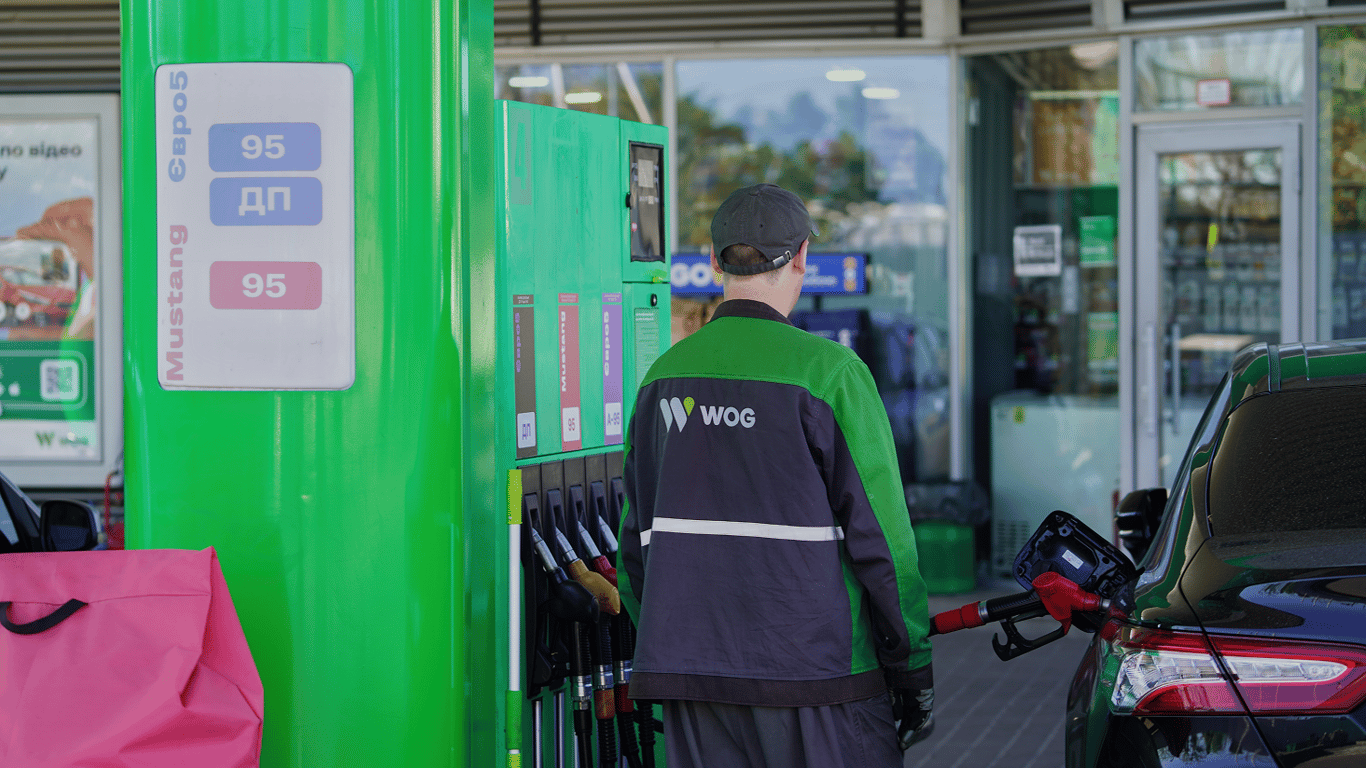
According to Novyny.live: An escalation of the conflict in the Middle East threatens to drive up energy prices in Ukraine, particularly for gasoline and natural gas. Specialists and consumers are alarmed as oil prices have recently climbed to $82 per barrel. A critical vulnerability is the Strait of Hormuz, a maritime chokepoint for 27% of the world's seaborne oil exports and 22% of its liquefied natural gas (LNG), which faces potential disruption. This situation is a stark reminder of how global energy markets are interconnected, with regional instability quickly affecting distant economies.
The situation is further complicated by attacks on oil infrastructure in the region, which could negatively impact energy supplies. Notably, Slovakia and Hungary have already temporarily suspended diesel shipments to Ukraine, a move that may trigger further increases in fuel prices domestically.
Expert Forecasts and Consequences for Consumers
Experts are expressing serious concern about the potential fallout for Ukrainian consumers. Viktor Halchynskyi noted:
“This increase in the price of oil that has occurred directly reflects the scale of the armed conflict.”In turn, Vadym Triukhan warns that
“gasoline in Ukraine could become more expensive not by a few hryvnias, but immediately by 5–10 hryvnias per liter.”
Given the current trend of rising energy costs, it is crucial to monitor events in the Middle East, as they could significantly influence Ukraine's economic situation. Any further military action or escalation of the conflict may lead to even greater increases in oil and gas prices, which would, in turn, adversely affect both consumers and businesses.
In a globalized economy, such disruptions in one region can have far-reaching consequences for countries dependent on energy imports. This underscores the necessity for diversifying energy supply sources and reducing reliance on external factors to build greater economic resilience.
Read also
- Ride-Hailing Costs Set to Rise in Ukraine: New Taxes Target Bolt and Uklon in 2026
- Credit Card vs. Online Loan: Which One Saves Ukrainians More Money?
- Russia’s War in Ukraine Marks a Historical Turning Point as Its Economy Cracks Under Pressure
- Brent Crude Surpasses $110 a Barrel: Could Iran Tensions Trigger a Global Energy Crisis?
- Ukraine Strikes Russian Ports: The Cost of a Month-Long Shutdown at Tuapse
- Fuel Shortage in Crimea: Russian Logistics Crippled by Ukrainian Strikes, Says Feigin