Why Potato Soup Turns into Glue: A Blender Mistake.

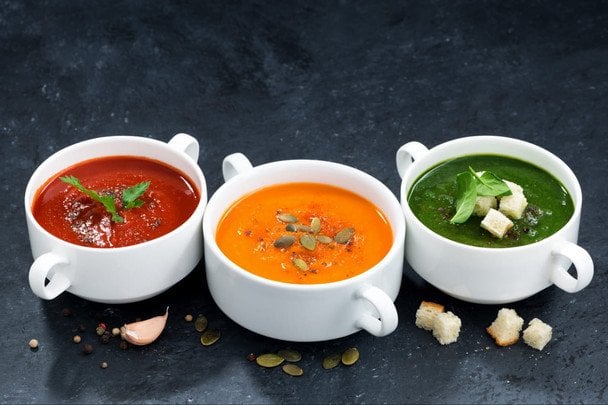
According to ТСН: Many housewives encounter the situation when the puree soup lacks the desired velvety texture and becomes sticky, almost like glue. This does not always indicate a deficiency in cooking skills, as the reason often lies in simple chemical reactions that occur during preparation. Starch, which is present in vegetables, plays a significant role in forming the consistency of the dish.
Why Glue Forms Instead of Cream Soup
The secret lies in the structure of the potato. It contains cells that hold starch granules, similar to capsules. During boiling, these granules absorb water and swell, making the vegetable soft. As long as the capsules remain intact, the potato retains its fluffiness.
The problem arises when you use a blender. Its sharp blades, working at high speeds, literally tear apart the potato cells. The released starch granules interact with the water, turning the soup into a sticky mass. The longer you blend the potato soup, the more it resembles glue.
How to Cook the Perfect Cream Soup
To avoid such mishaps and achieve restaurant-quality dishes at home, adhere to some tried-and-true methods. These recommendations will help control the structure of the soup at every stage of cooking.
Be moderate during cooking, do not overcook. Boil vegetables, especially potatoes, only until tender. When they start to fall apart, the starch is already breaking down the dish's structure. The best test is to pierce a piece with a fork: it should easily go into the flesh, but the vegetable should remain intact.
Avoid blending potato mass with a blender. A blender can be a curse for starchy vegetables, as its blades make the dish sticky. For a tender texture, use a classic potato ricer, a metal masher, or a regular sieve that gently crushes the product without tearing the molecular chains of the starch.
Watch the liquid level. After boiling, carefully drain all the liquid. It is helpful to leave the vegetables for a minute in the hot pot without water, so that any remaining steam evaporates.
It is important that milk, cream, or broth are hot during mixing. Using cold liquids causes thermal shock to the starch, resulting in lumps in the soup.
Use fats to create a velvety effect. A small piece of butter or good-quality vegetable oil will help improve the structure of the dish. Fat creates a protective barrier, coating the starch granules and preventing them from connecting into a sticky mass. As a result, the texture of your soup will be smooth and silky.
Besides technical aspects, the product itself plays an important role. Starchy varieties of potatoes are recommended for cream soups, as they easily become fluffy.
Understanding the interaction of ingredients can transform the usual process of preparing lunch into an exciting experiment with a guaranteed delicious result.
Read also
- Kyiv Region Braces for a Warm June 11: Temperatures Set to Reach +28°C
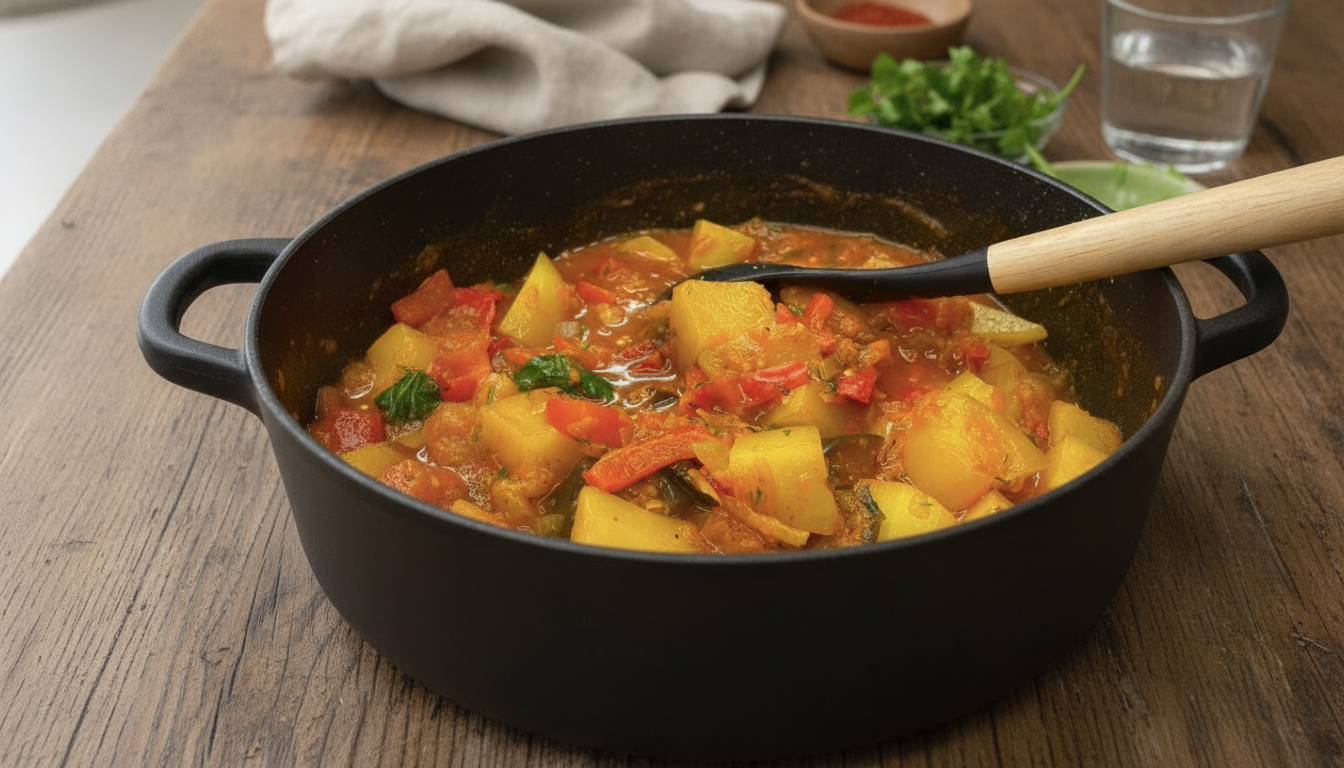
- A Simple Zucchini and Eggplant Stew Recipe from 'Tasty Bites'
- A Festive Drink Made from Tea Rose Petals: An Easy Recipe for Your Holiday Table
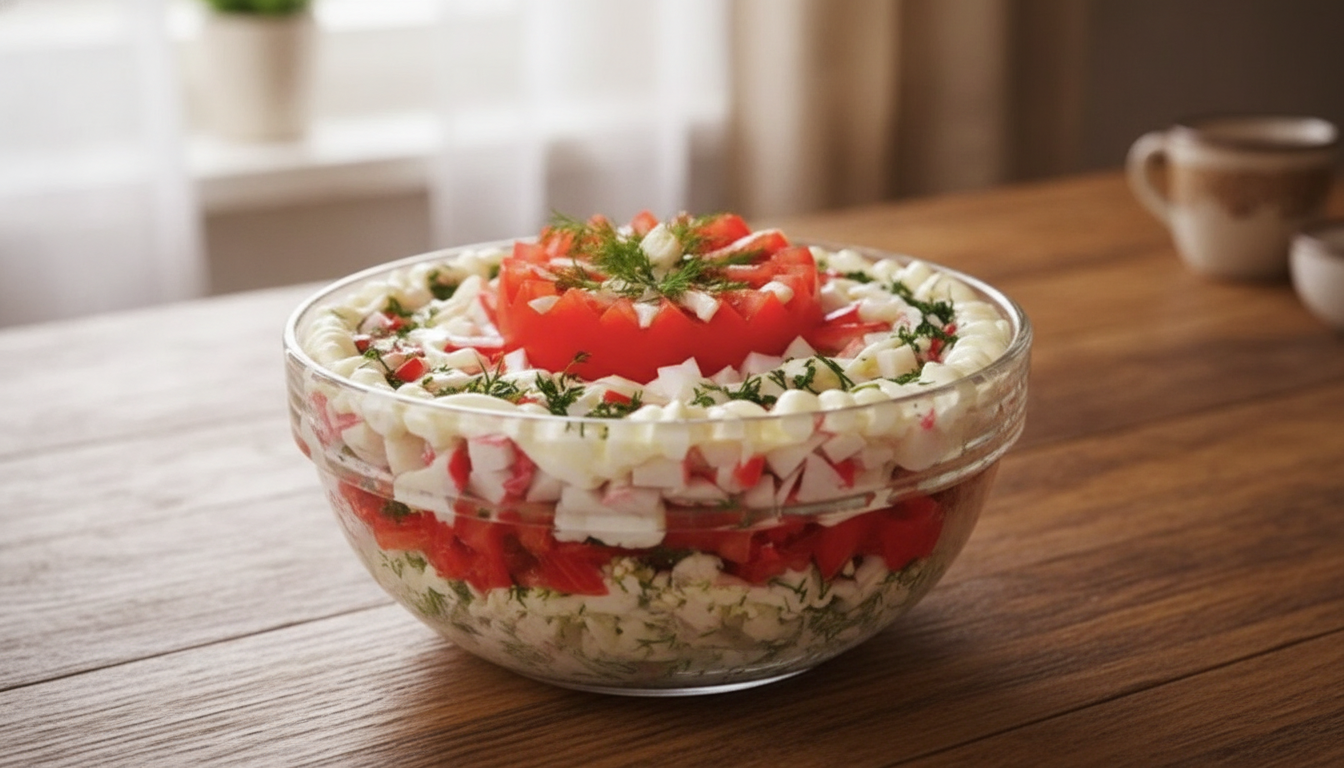
- A Surprising Twist on Crab Stick Salad: One Unlikely Ingredient Transforms the Flavor
- Unique Venus-Jupiter Conjunction: One Zodiac Sign Gets a Rare Opportunity Until June 14
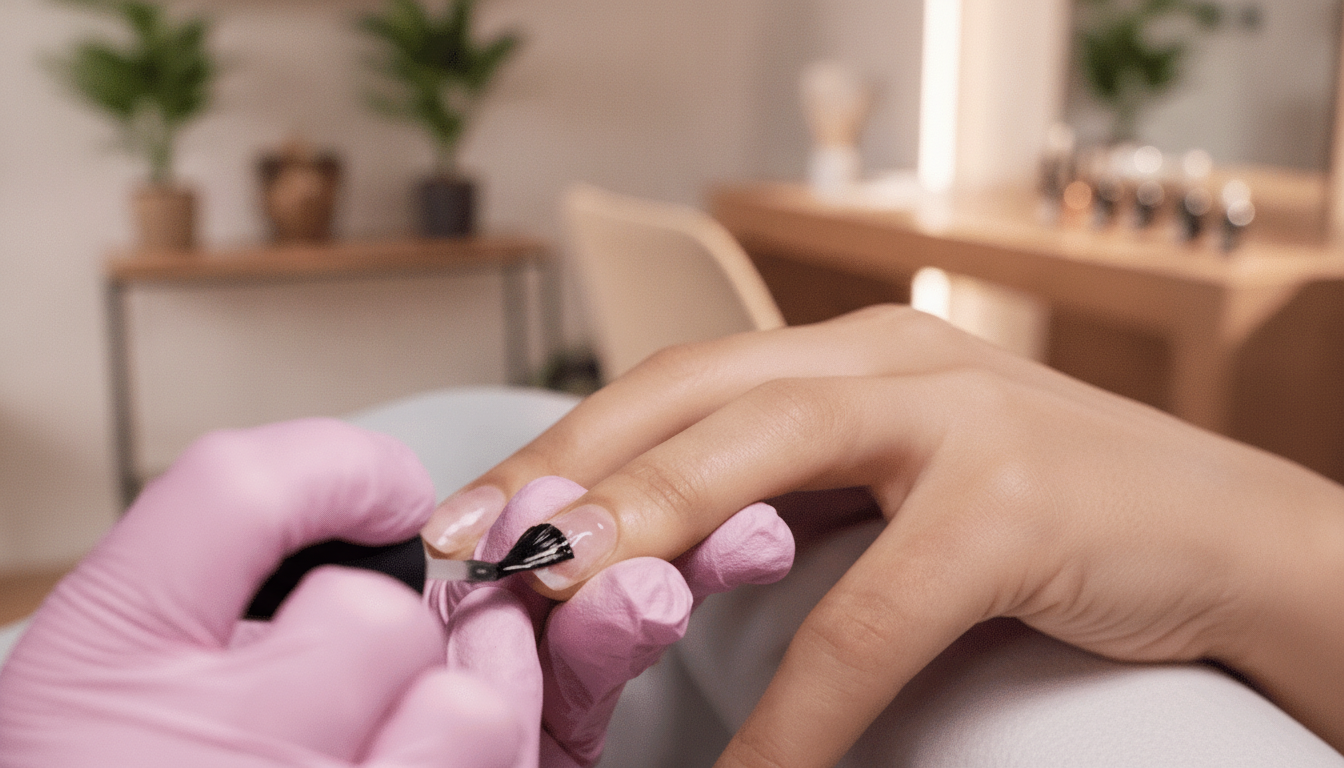
- Short Nails Look Longer with the Italian Manicure: How This New Beauty Trend Works