Lithuania’s NATO Nuclear Deterrence Plan Triggers Fresh Atomic Threats From the Kremlin.

Russia’s Renewed Nuclear Saber-Rattling
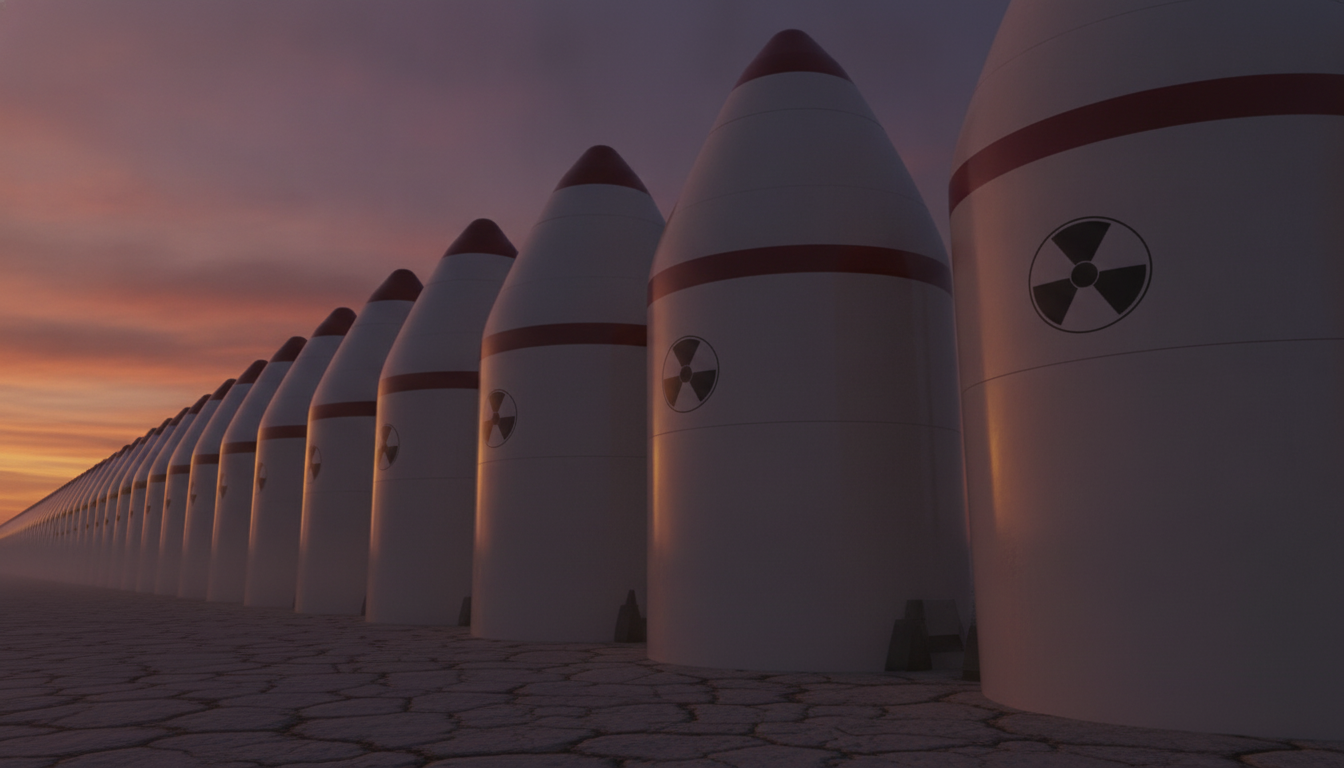
According to UATV: The Kremlin has once again brandished its nuclear capabilities, warning that Moscow stands ready to deploy its atomic arsenal if Russia’s very existence comes under threat. This latest escalation follows a proposal by Lithuania’s parliament, the Seimas, to deliberate a bill that would integrate the country into NATO’s nuclear deterrence framework. Kremlin spokesperson Dmitry Peskov argued that perceived hostility from both Lithuania and the broader Western alliance leaves Russia with no choice but to respond to such provocations.
Western leaders remain skeptical about the effectiveness of Moscow’s nuclear posturing. Latvian President Edgars Rinkēvičs, for instance, declared that Russia is unwilling to engage in dialogue, stressing:
“Russia is not ready to sit down at the negotiating table—neither with Ukrainians nor with Americans.” — Edgars Rinkēvičs
This stance underscores the deep impasse between Russia and the West, a deadlock that threatens to further inflame regional tensions.
Regional Dynamics and Broader Concerns
Finnish President Alexander Stubb offered his own assessment, noting:
“Russia will not end this war because of economic hardships.” — Alexander Stubb
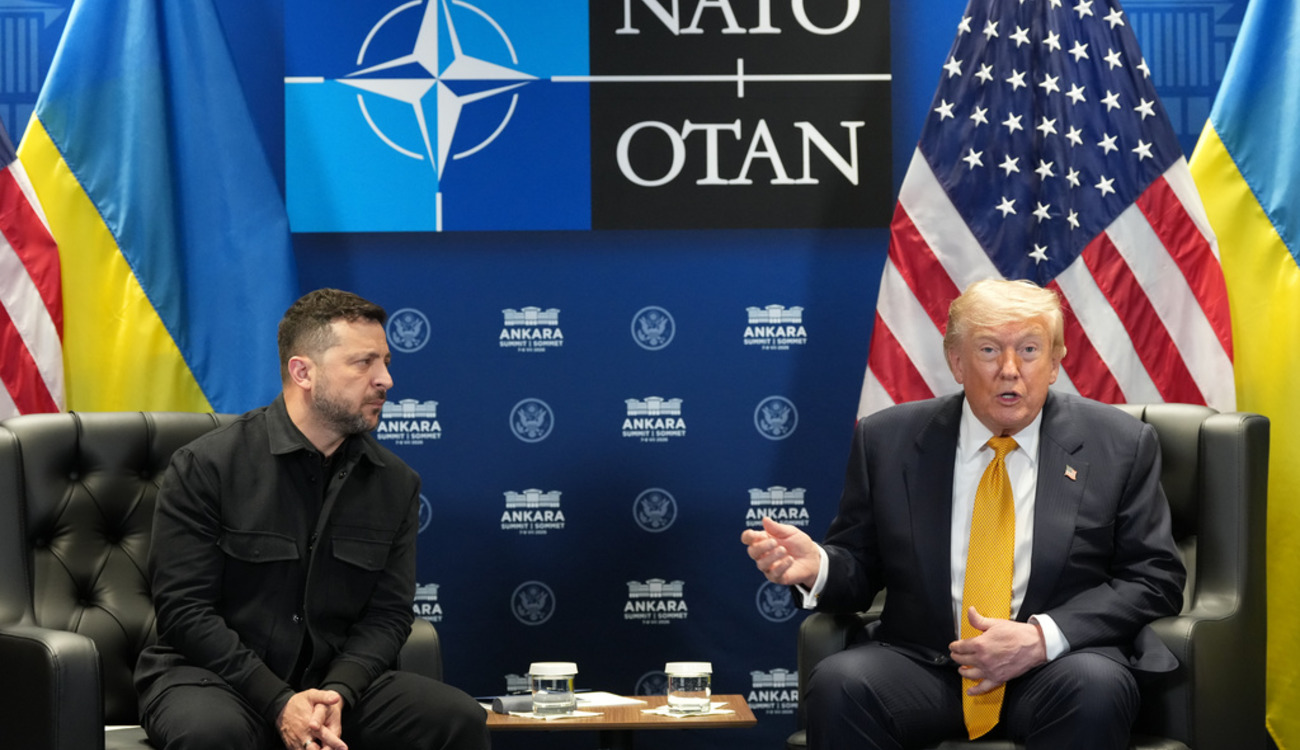
He believes Moscow will only cease hostilities when Russian society itself turns against the Kremlin’s actions. At the NATO summit in Ankara, alliance members once again designated Russia as a long-term threat to Euro-Atlantic security, reflecting deep Western anxiety over potential Kremlin aggression.
Against this backdrop, analysts observe that Russia’s nuclear threats are losing their shock value. As expert Gideon Rachman put it, “Putin has devalued that currency,” suggesting that repeated warnings may diminish their impact on international politics.
The standoff over nuclear weapons and regional security remains fraught with tension, leaving the next moves by Russia and the West shrouded in uncertainty.
The Kremlin’s intensified nuclear rhetoric, triggered by Lithuania’s push to join NATO’s nuclear deterrence system, signals no letup in the strained relationship between Moscow and Western nations. With communication channels effectively blocked, such statements are likely to amplify global unease—especially given the protracted war in Ukraine and the risk of further escalation.
Experts caution that while frequent nuclear threats may erode their psychological impact, the underlying situation remains critically dangerous for Europe’s security.
Read also
- Kremlin Spokesman Peskov Acknowledges War with Ukraine for the First Time, Citing Nuclear Doctrine and Issuing Ultimatum to Kyiv
- War Boosts Putin’s Approval Ratings—Could Russia Be Preparing Aggression Against Poland?
- Kremlin Shifts Tone: Peskov Calls Ukraine Conflict a 'Real War' for the First Time
- Kremlin Spokesman Admits War: 'Special Operation' Over, Blames the West
- Zelenskyy Calls Out Putin's False Claim About Kostiantynivka Capture and Challenges Him to a Meeting
- Putin Ramps Up Pressure on Lukashenko: Belarus Being Primed for Full-Scale War Against Ukraine