A Billion-Dollar Business: The Economics of Kyiv's Minibus Network.

The Scale of Kyiv's Minibus Market
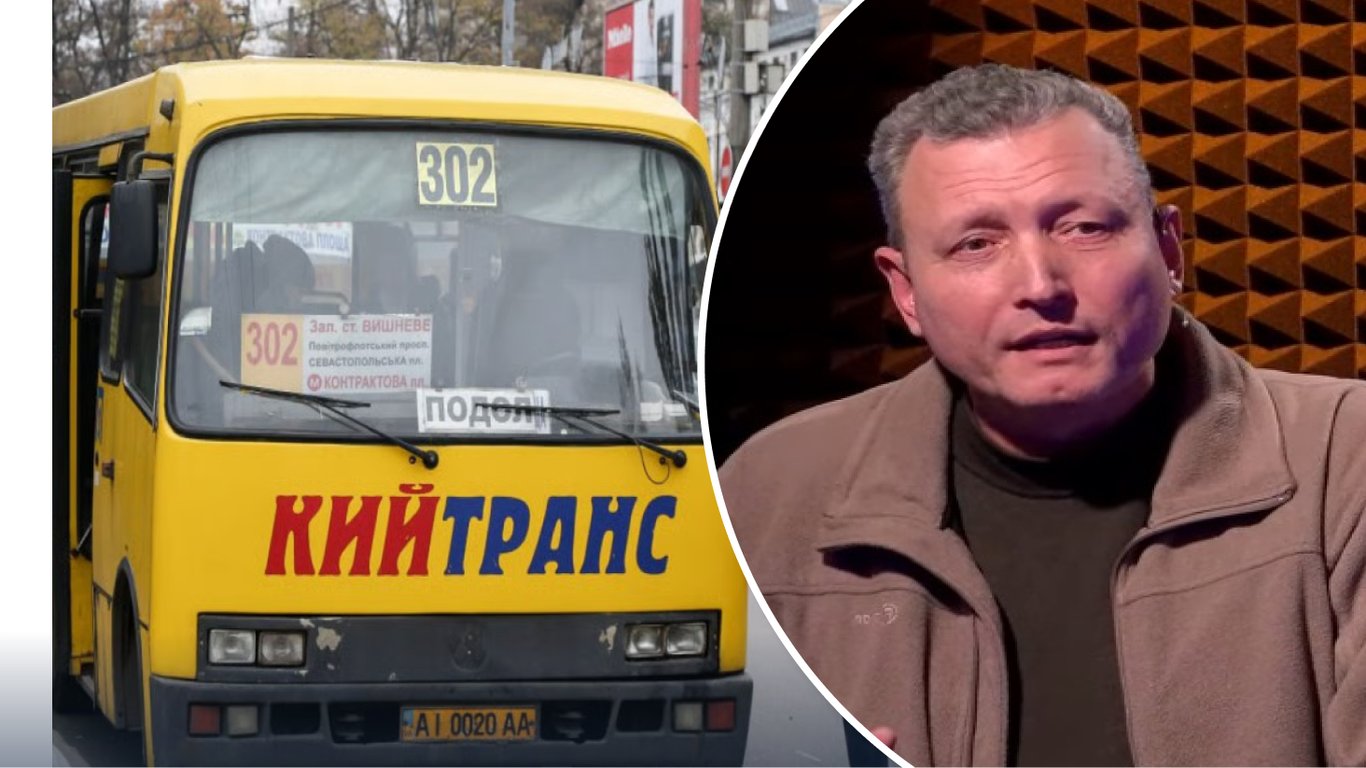
According to Novyny.live: Expert Viktor Hleba highlights the substantial size of Kyiv's private minibus transportation market, estimating its annual value could reach one billion dollars. He compares the situation with the city's electric public transport, noting that minibuses hold a dominant position due to the significant financial interests involved.
“The billion dollars represents the total turnover from passenger fares. This money is distributed in the shadows, through unofficial channels.”
Viktor Hleba
Private minibuses handle a major portion of passenger traffic in Kyiv, which explains their widespread use among residents. As the expert points out, 'Why do you pay 15 hryvnias when the official fare is 8? Because the minibus is running, for instance, from Boyarka.' This indicates that the actual fare charged often exceeds the officially set rates. These informal transport networks are a common feature in many post-Soviet cities, filling gaps in municipal services.
Challenges Facing the Transport Sector
The minibus market in Kyiv also faces serious structural issues. Across Ukraine, 80% of transport operators have ceased to exist, leading to a chronic shortage of workers in the sector. Meanwhile, a transport company in the Czech city of Ostrava employs 45 drivers from Ukraine, having hired its first Ukrainian refugee driver in August 2022. This brain drain exacerbates domestic labor shortages.
Against this backdrop, it becomes clear why minibus operators have 'defeated' electric public transport in the capital. Viktor Hleba emphasized:
“Why have minibus operators beaten out electric transport? Because there is big money in it.”
Viktor Hleba
These factors underscore the critical role of minibus transportation in Kyiv's urban transit system and its considerable impact on the city's economy.
Despite significant challenges, the minibus market remains a vital component of Kyiv's public transport. The high demand for private minibus services highlights their role in meeting the mobility needs of residents, which in turn raises questions about fare regulation and service quality. The situation requires state attention to ensure fair market conditions and improve the competitiveness of electric public transport.
Read also
- Ukraine Receives $690 Million IMF Tranche: Total Aid Reaches $2.2 Billion
- Ukraine Gets $2.2 Billion IMF Nod, But a Key Reform Delay Holds Up the Payout
- Canada Signals Readiness for Talks as Trump Imposes New Tariffs on Canadian Goods
- Fuel Prices in Ukraine Set to Jump by 7–8 Hryvnias: Here’s When the Increase Is Expected
- Ukraine’s Intelligence Warns of Systemic Crisis in Russia as Wage Arrears Surge by 78%
- Fuel Crisis in Russia Drives a Sharp Drop in Car Sales