IOC Faces Backlash Over Ban on Ukrainian Skeleton Racer's Memorial Helmet.

The Dispute Involving Vladyslav Heraskevych
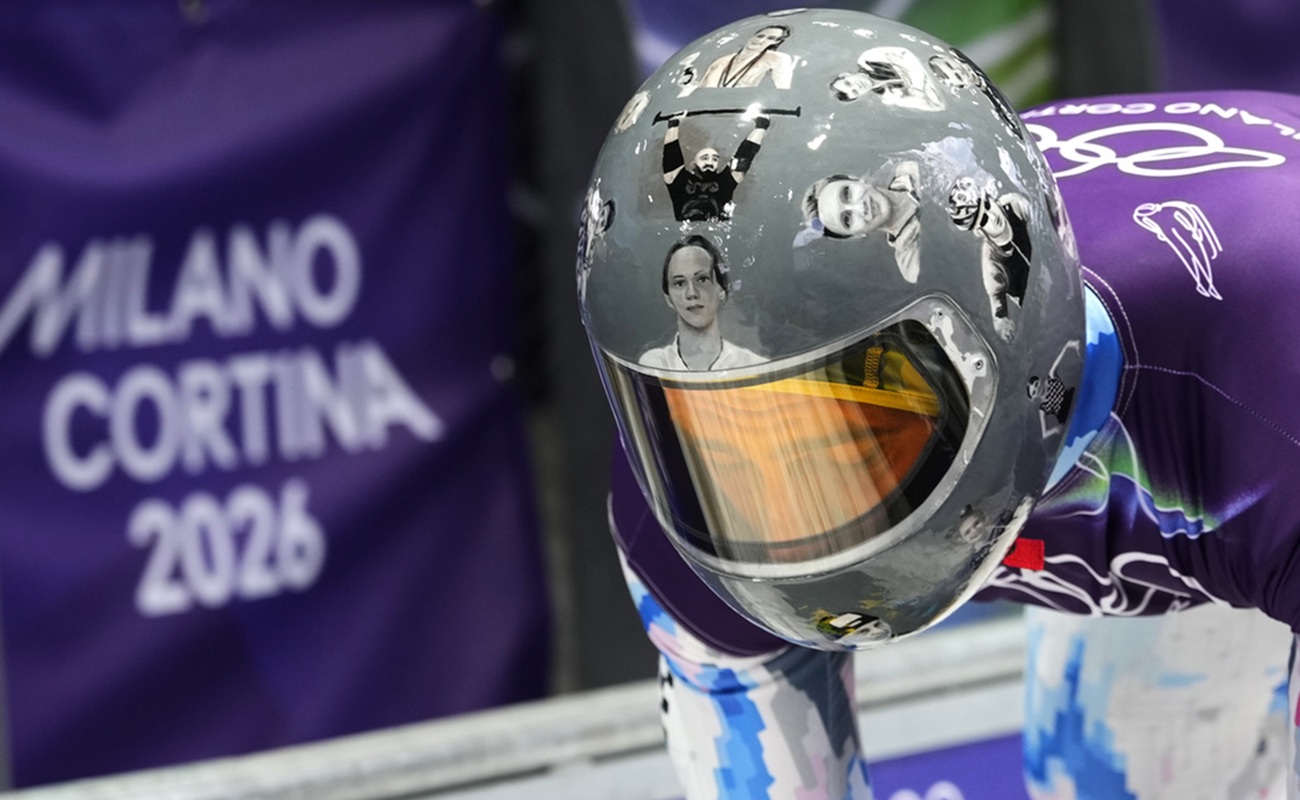
According to UATV: The International Olympic Committee (IOC) is drawing criticism for its attempts to prevent Ukrainian skeleton racer Vladyslav Heraskevych from competing in a helmet designed to honor Ukrainian athletes killed as a result of Russian aggression. The IOC's stance has provoked anger within the sporting community, despite the fact that the helmet's use does not violate any official competition rules. This incident highlights the ongoing tension between the IOC's principle of political neutrality and athletes' personal expressions of remembrance.
Vladyslav Heraskevych, a prominent figure in Ukrainian skeleton, aims to draw global attention to a tragedy that has claimed the lives of hundreds of elite Ukrainian athletes and thousands of amateurs. His decision to wear the memorial helmet serves as a powerful symbol, honoring the fallen and reminding the world of their sacrifice.
Public and Official Reaction
While the helmet has been banned, Heraskevych has been permitted to compete wearing a black armband in memory of the slain athletes, underscoring his commitment to the cause. Commenting on the situation, Yuriy Kyrychenko noted:
“Sport has long been a part of politics.” - Yuriy Kyrychenko
He emphasized that “Heraskevych is not expressing a personal opinion. This is the position of an entire nation.” Kyrychenko also expressed hope for the athlete's success: “I sincerely hope that our Ukrainian athlete becomes an Olympic champion or at least wins an Olympic medal.”
This controversy underscores the vital role of Ukrainian athletes as symbols of national memory and identity during a time of conflict. As Kyrychenko pointed out, sport and politics are deeply intertwined, and such gestures are perceived as acts of national solidarity. Against the backdrop of the ongoing war, these actions can significantly impact national morale and focus attention on the war's devastating toll on Ukrainian sports.
The growing pressure from the public and the sporting world may also influence future IOC rulings on similar matters of symbolic protest and remembrance.
Read also
- Trump Endorses FIFA's Ban on Balogun and Backs New UN Secretary-General Pick
- Ukraine's National Team Clinches Team Gold at World Shooting Championships in Tallinn
- Ukrainian Volleyball Star Dmytro Yanchuk Tops 2026 Nations League in Aces with 21
- Kevin Keegan, Two-Time Ballon d'Or Winner, Dies After Battle with Cancer
- Commander of the 107th Brigade Denys Perch Highlights Key Military Challenges: Infantry Shortages and Red Tape
- Ferran Torres’s lone goal secures Spain’s 2026 World Cup victory in New Jersey final