IOC Suspends Ukrainian Skeleton Racer Heraskevych for 'Memorial Helmet' at Olympic Games.

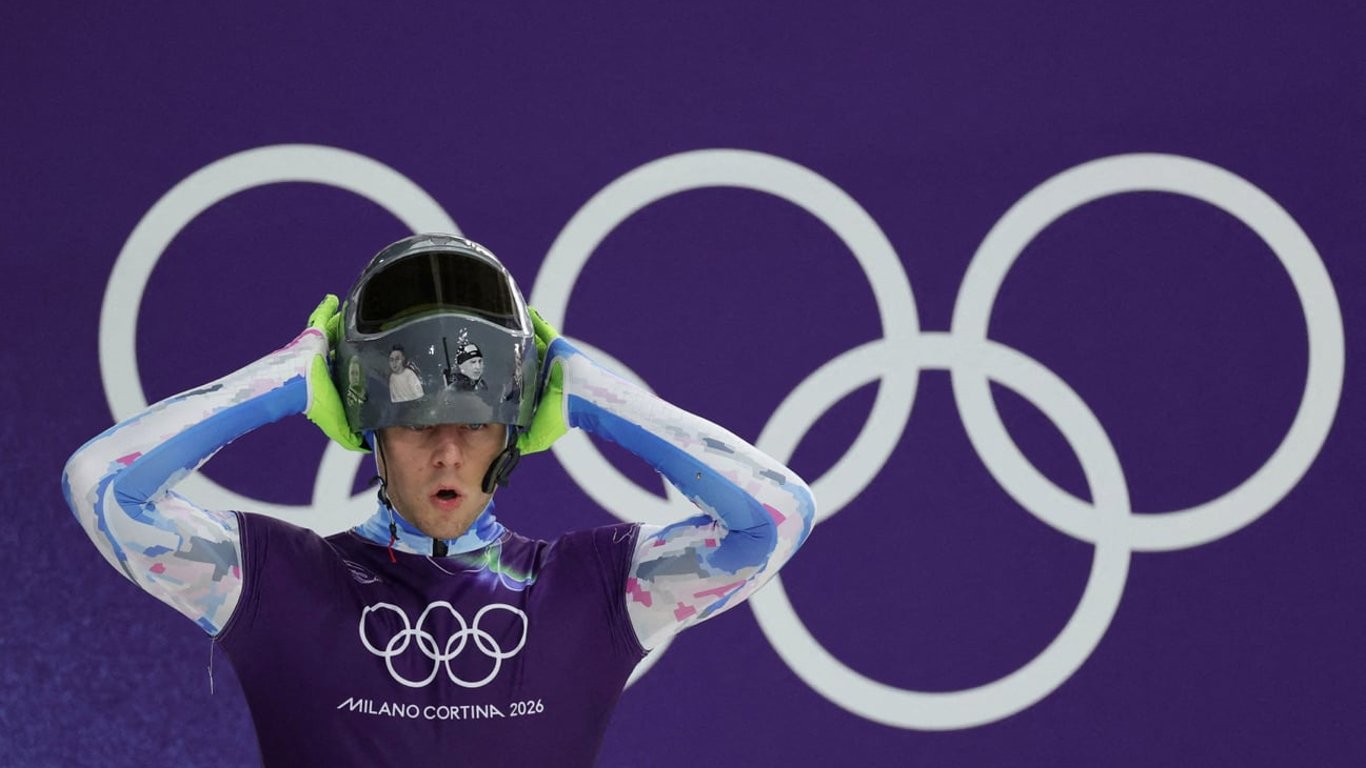
Vladyslav Heraskevych at the Winter Olympics
According to Novyny.live: Ukrainian skeleton athlete Vladyslav Heraskevych was barred from competition by the International Olympic Committee for his initiative to wear a 'memorial helmet'. This decision has sparked significant debate and controversy within the global sporting community. The incident highlights the ongoing tension between athletic expression and Olympic regulations regarding political statements.
Heraskevych had previously been involved in preparing a petition to the Ukrainian Cabinet of Ministers calling for sanctions against Russian athletes, underscoring his active stance on political issues. During the 2026 Olympics, his social media following grew substantially, reflecting increased public interest in his persona and actions. Despite this surge in popularity, he refuted rumors of having personally received $800,000, stating that any financial contributions were directed to a charitable foundation.
Emotional State and Impact on Sport
Under evident pressure, Heraskevych commented on his emotional condition:
“I am in a rather difficult emotional state, but I am trying to focus on my work. For now, it's actually quite hard with this. I'm not sleeping much... 5-6 hours a day.”These remarks confirm that the situation has affected his mental and emotional well-being, though he is striving to concentrate on his professional duties.
His suspension from the Games has become a major topic of discussion, as his initiatives and activism have proven significant for contemporary Ukrainian sport. His statements and actions continue to draw attention, and questions about the fairness of the International Olympic Committee's ruling remain current among fans and sports analysts.
The situation surrounding Vladyslav Heraskevych illustrates the complex interplay between sports and politics, particularly within the context of the conflict in Ukraine. His initiatives, aimed at supporting his country, emphasize the role of athletes as a voice for societal concerns. Simultaneously, the IOC's decision raises broader questions about the autonomy of sport from political influence, which could have long-term implications for international competitions and their participants.
Read also
- Trump Endorses FIFA's Ban on Balogun and Backs New UN Secretary-General Pick
- Ukraine's National Team Clinches Team Gold at World Shooting Championships in Tallinn
- Ukrainian Volleyball Star Dmytro Yanchuk Tops 2026 Nations League in Aces with 21
- Kevin Keegan, Two-Time Ballon d'Or Winner, Dies After Battle with Cancer
- Commander of the 107th Brigade Denys Perch Highlights Key Military Challenges: Infantry Shortages and Red Tape
- Ferran Torres’s lone goal secures Spain’s 2026 World Cup victory in New Jersey final