IOC Bans Ukrainian Skeleton Racer's Memorial Helmet for Fallen Athletes.

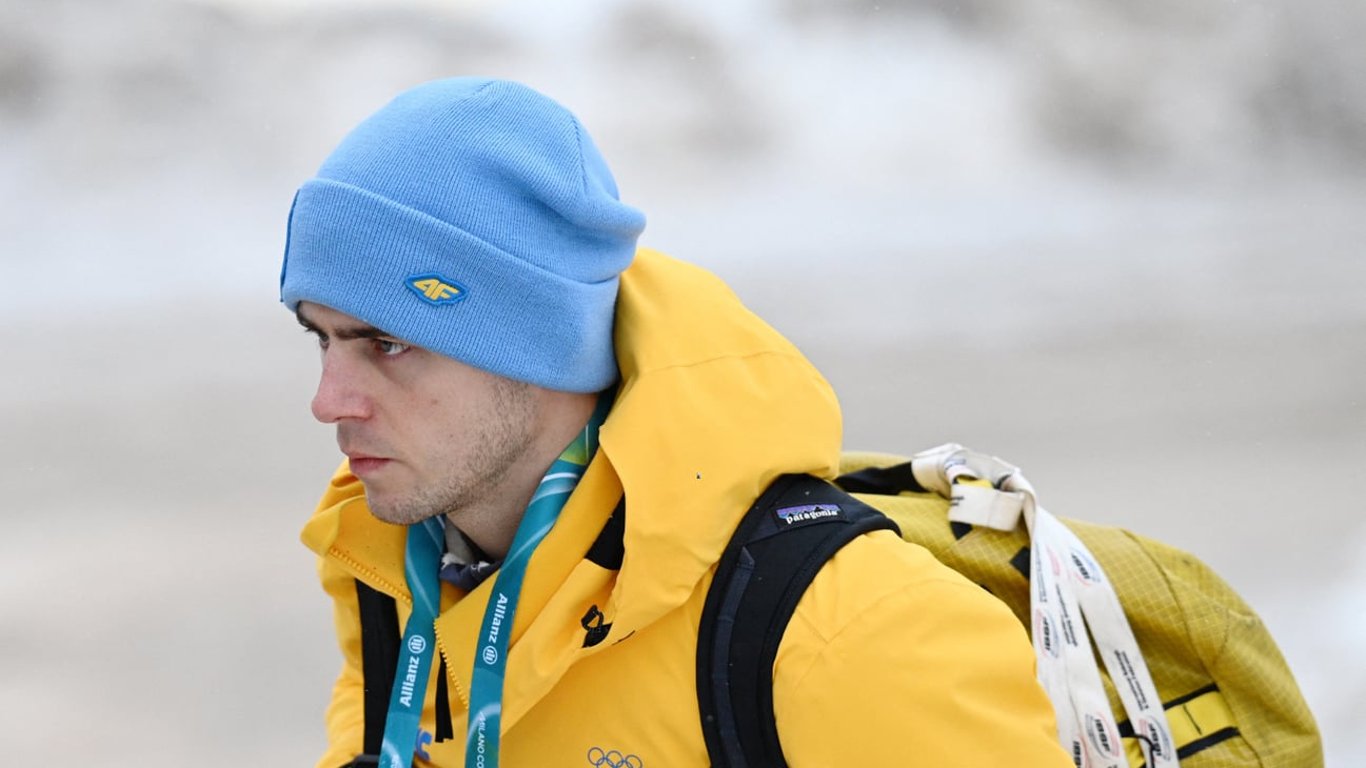
Vladyslav Heraskevych at the Center of a Dispute
According to Novyny.live: Ukrainian skeleton racer Vladyslav Heraskevych has become embroiled in controversy at the 2026 Games after the International Olympic Committee (IOC) banned him from wearing a special helmet. The helmet was designed as a tribute to Ukrainian athletes who have died. The IOC's decision was based on a violation of the Olympic Charter, specifically Rule 50, which governs the use of symbols and messages on athletic equipment. This rule strictly limits political, religious, or personal statements at the Games.
A History of Silent Protest
This is not Heraskevych's first act of protest on the Olympic stage. Four years ago at the Beijing Games, he made a 'silent protest' against the war in Ukraine by displaying a 'No war in Ukraine' sign. That gesture successfully drew global attention to the situation in his country and its impact on athletes.
“Any normal person does not want war, and I also do not want war. I want peace in my country and I do not want people to die because of war.” - Vladyslav Heraskevych
His statement reflects his stance on the ongoing conflict in Ukraine and calls into question the restrictions the IOC has placed on his equipment.
The situation surrounding Vladyslav Heraskevych and his gear has sparked widespread debate, highlighting the persistent difficulty of separating sport from political and social issues. This incident shows how athletic competitions can become platforms for athletes to express views, especially during global crises like the war in Ukraine. The IOC's response underscores the strictness of its rules on symbolism, but also raises questions about their effectiveness when athletes seek to spotlight urgent humanitarian concerns. This case may fuel discussions about potential changes to the IOC's policies on protests and symbolic gestures at international sporting events.
Read also
- Trump Endorses FIFA's Ban on Balogun and Backs New UN Secretary-General Pick
- Ukraine's National Team Clinches Team Gold at World Shooting Championships in Tallinn
- Ukrainian Volleyball Star Dmytro Yanchuk Tops 2026 Nations League in Aces with 21
- Kevin Keegan, Two-Time Ballon d'Or Winner, Dies After Battle with Cancer
- Commander of the 107th Brigade Denys Perch Highlights Key Military Challenges: Infantry Shortages and Red Tape
- Ferran Torres’s lone goal secures Spain’s 2026 World Cup victory in New Jersey final