Mulch can harm the garden: which pests hibernate under the layer of leaves.

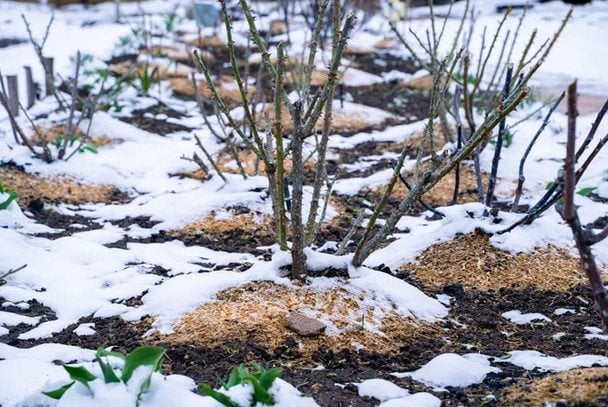
According to ТСН: Mulching is one of the main agrotechnical methods used by gardeners and farmers to improve soil condition and simplify plant care. This process involves covering the soil surface around the plantings with a special material that performs several important functions.
Traditional benefits of mulch in gardening
The mulch layer is well known for its ability to retain moisture in the soil, protect the root system from sharp temperature fluctuations, and effectively hinder weed growth.
In addition, organic mulch, consisting of fallen leaves, mowed grass, straw, compost, bark, and shavings, improves soil fertility significantly as it decomposes. Organic materials are typically used in practice since they enrich the soil with nutrients and aid in the development of beneficial microflora.
In summer, mulch prevents soil from drying out and overheating, while in autumn it helps plants prepare for cold by retaining heat in the root zone.
Inorganic mulch, such as plastic film, gravel, or sand, also protects plants but does not enrich the soil.
Hidden dangers of winter mulching
However, in winter, organic mulch can play a dual role. It creates a comfortable environment for many living organisms, as it releases heat while decomposing, which is retained by the snow cover. This forms a stable microclimate under the mulch layer, making it an ideal place for harmful insects and fungal pathogens to hibernate. If mulch is used thoughtlessly in autumn, in spring the gardener may encounter a massive emergence of pests and disease outbreaks. Therefore, it is important to know who can hibernate in this layer.
Which pests most often hibernate in mulch, fungal threats
The mulch layer serves as a reliable refuge for many insects that are in a dormant stage.
Among the most common pests that hibernate in mulch, we can highlight weevils that damage the buds, flowers, and shoots of fruit crops in spring.
Also, sawflies often use mulch for hibernation, and their larvae can destroy flowers and pulp of fruits, causing serious harm to the garden.
Plant-feeding mites, mainly females and egg clutches, hide in fallen leaves and clumps of soil, actively colonizing plants in spring and sucking juices from them.
Additionally, cutworms may hibernate in mulch, damaging young shoots and harming the root collar of plants.
It's also important to note that the mulching material can be a source of spores of dangerous fungal pathogens.
In fallen leaves and grass, the agents of powdery mildew, late blight, various blotches, and rots successfully hibernate. In spring, when the temperature rises, these pathogens can easily infect young plants. Using leaf or grass mulch from sick plants can lead to infection in the next season.
Beneficial insects in mulch: maintaining balance
While forgetting about pests, it is also important to remember about beneficial insects that help maintain the natural balance.
For example, carabids hibernate in mulch, which destroy pest larvae, as well as ladybugs that combat aphids and caterpillars. Completely exterminating all organisms in the mulch can disrupt the ecosystem of the area. Thus, the gardener's task is not to abandon mulching but to make this process as safe as possible.
Safe mulching methods
A balanced approach to preparing mulch allows you to preserve all its advantages and reduce risks. There are several simple and eco-friendly ways to improve the mulching layer.
Using natural repellent additives. For example, you can mix onion and garlic peels with the main mulch or place stems of mint, melissa, wormwood, or tansy under fruit trees.
Wood ash. It serves not only as a fertilizer but also as a natural fungicide. It can be lightly incorporated into the soil in the fall or sprinkled over the mulch in a thin layer.
Pine needles. Adding pine reduces the risk of fungal diseases. Pine is suitable for plants that prefer acidic soil, but in moderate amounts, it can also be used for other fruit crops.
If mowed grass and fallen leaves are used for mulch, it is important to monitor the condition of the plants throughout the season. Regular preventive treatments against diseases and pests will help obtain safer material for mulching.
Main recommendations for safe winter bed mulching
To achieve a balance between benefits and risks, it is essential to follow simple rules.
It is necessary to use only healthy plant residues for mulch, mix organic materials with ash, pine needles, or aromatic additives and not lay too thick a layer — an optimal thickness is 5-7 centimeters.
It is important to consider the needs of specific crops and soil type, and to timely refresh or partially remove the old mulch in spring.
Mulch will remain beneficial, especially for berry bushes, if it is refreshed 1-2 times a year, depending on the degree of decomposition.
Read also
- Fight Dust with Liquid Glycerin: A Simple Pharmacy Find That Transforms Your Cleaning Routine
- Kyiv Region Braces for a Warm June 11: Temperatures Set to Reach +28°C
- A Simple Zucchini and Eggplant Stew Recipe from 'Tasty Bites'
- A Festive Drink Made from Tea Rose Petals: An Easy Recipe for Your Holiday Table
- A Surprising Twist on Crab Stick Salad: One Unlikely Ingredient Transforms the Flavor
- Unique Venus-Jupiter Conjunction: One Zodiac Sign Gets a Rare Opportunity Until June 14