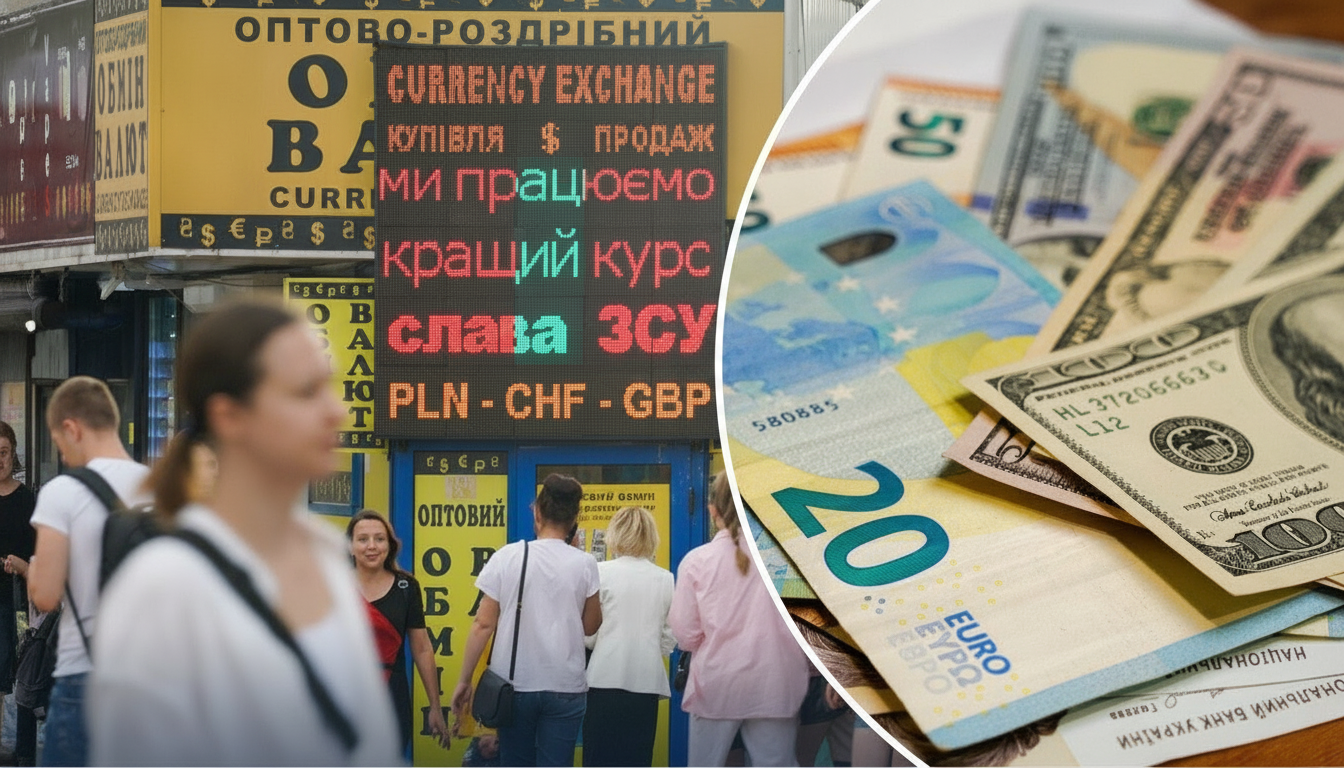
Ukraine Secures $8.1 Billion IMF Program, Agrees to Tax Reforms by 2026.

Ukraine's Reform Commitments Through 2026
According to TSN.ua: The International Monetary Fund (IMF) has approved a new $8.1 billion financing program for Ukraine, a critical step for the nation's economic stability. This support is contingent on Ukraine fulfilling a series of governance and fiscal reform commitments by 2026. These reforms are part of a broader international effort to stabilize Ukraine's economy during a period of immense challenge.
According to the plan, Ukraine must implement recommendations from MEFP #51 concerning the supervisory boards of state-owned companies by the end of February 2026. Furthermore, by the end of March 2026, a new permanent head of the State Customs Service must be appointed to improve customs control and administration.
Key Tax Measures and Fiscal Stability
A comprehensive package of tax measures for 2026-27 must also be adopted by the end of March 2026. This package outlines several significant changes to the tax system, including:
- Taxing income generated through digital platforms;
- Eliminating the tax exemption for imported postal shipments valued under 150 euros;
- Introducing an increased military levy of 5%.
Additionally, the value-added tax (VAT) exemption for individual entrepreneurs will be revoked starting January 1, 2027.
To enact these changes, amendments to the Tax Code must be submitted to the Verkhovna Rada (Ukraine's parliament) by the end of June 2026. A subsequent technical analysis with a quantitative cost assessment must be published by the end of July 2026.
On February 26, 2026, the IMF approved the new $8.1 billion program. The first tranche of this funding, amounting to $1.5 billion, is designed to bolster Ukraine's financial stability amidst ongoing economic pressures.
This IMF program represents a pivotal phase in Ukraine's economic recovery and reform agenda, driving necessary changes in state structures and legislation. Successful implementation of these measures is expected to enhance the investment climate, improve public sector efficiency, and strengthen international partners' confidence in Ukraine's economy, thereby aiding its post-crisis reconstruction.
Read also
- What You Need to Know About US Dollar Bills in Ukraine: Which Are Still Valid
- Which Older Apartments Are Losing Value? Experts Outline the Risks of Buying Pre-Owned Housing
- Groceries, Sugar, and Salt Disappear from Shelves in Crimea: Here’s Why
- Private Armies in Ukraine: A New Economic Sector or a Security Threat?
- Cash Withdrawal Caps at Oschadbank: Who Can Have Them Lifted
- Ukraine’s Central Bank Shifts Focus Toward the Euro: What It Means for the Hryvnia Exchange Rate