Soaking Grains: A Necessary Step or a Waste of Time.

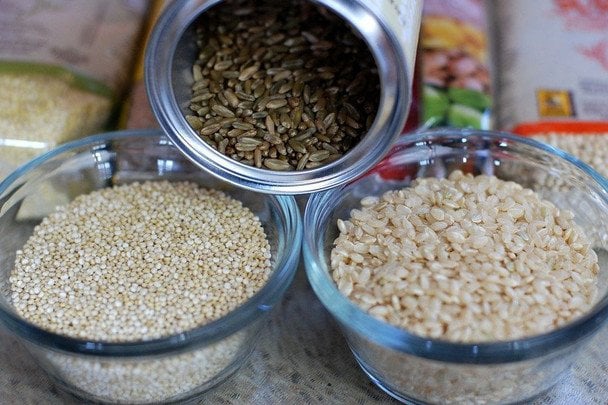
According to ТСН: Many cooks believe that soaking grains is merely a recommendation; however, it is actually an important stage in cooking that significantly affects the quality of the dish and its nutritional value. If this step is skipped, one can not only waste time in the kitchen but also lose valuable nutrients.
Which Grains and How to Soak Them
The soaking process consists of two main stages. First, the grain needs to be thoroughly rinsed. For this, it is poured into a bowl, covered with water, and gently mixed by hand, after which the murky water is drained. This procedure is repeated until the water becomes completely clear, which is necessary for removing dust and impurities.
After rinsing, the grain is placed in a glass, ceramic, or enamel container. It is covered with clean drinking water at room temperature, so that the water level is about one and a half to two centimeters above the level of the grain.
The longest soaking—about 10-12 hours (it is convenient to leave it overnight)—is needed for chickpeas, beans, wild rice, and green peas. These products have a dense structure that requires prolonged softening.
Approximately 8 hours of soaking is sufficient for amaranth, mung beans, white beans, and millet.
Six hours is enough for green buckwheat and rolled oats for long cooking.
Wheat, used for porridge, is recommended to be soaked for about 7 hours.
An important final step in the soaking process is the mandatory draining of the old water after the time is up and rinsing the grain again under running water. This ensures the removal of phytic acid and other unwanted substances. The product should be cooked exclusively in fresh water.
Why Soaking is Necessary
One of the important goals of soaking is to neutralize phytic acid. This compound is found in the shells of grains, cereals, and legumes. Phytic acid, or phat, can bind minerals such as iron, zinc, calcium, and proteins, preventing their absorption by the body. During soaking, natural enzymes are activated that help phytic acid partially wash out and decompose, making the product significantly healthier and easier to digest.
The soaking process also has important practical advantages. It significantly reduces cooking time, saving energy and time.
Soaking helps remove excess starch from the surface of grains, contributing to a lower glycemic index of the dish. This is especially relevant for legumes, as soaking promotes the breakdown of complex sugars, reducing gas formation and discomfort after consumption.
Grains That Do Not Need Soaking
Some popular grains do not require prior soaking. It is sufficient to thoroughly rinse white rice, regular buckwheat (groats), couscous, and bulgur. For better taste, it is recommended to toast the buckwheat or bulgur in a dry pan before cooking.
Thus, soaking grains is not only a useful habit but also an important stage in food preparation. Thanks to this process, dishes become tastier and more nutritious. The time and effort spent soaking are undoubtedly rewarded with better texture, taste, and health benefits of the final product.
Read also
- Easy Pickled Tomatoes for Winter: The Perfect Brine Recipe Using 1 Liter of Water
- A 15-Minute Dinner That Feels Like a Feast: Carbonara-Style Potatoes with Bacon and Cream Sauce
- A Quick 5-Minute Homemade Gravy: Simple Ingredients, Big Flavor
- Hairstyles That Wreck Fine Hair: Top Mistakes to Avoid
- Fight Dust with Liquid Glycerin: A Simple Pharmacy Find That Transforms Your Cleaning Routine
- Kyiv Region Braces for a Warm June 11: Temperatures Set to Reach +28°C