Oil prices have surged following Israel's attack on Iran.

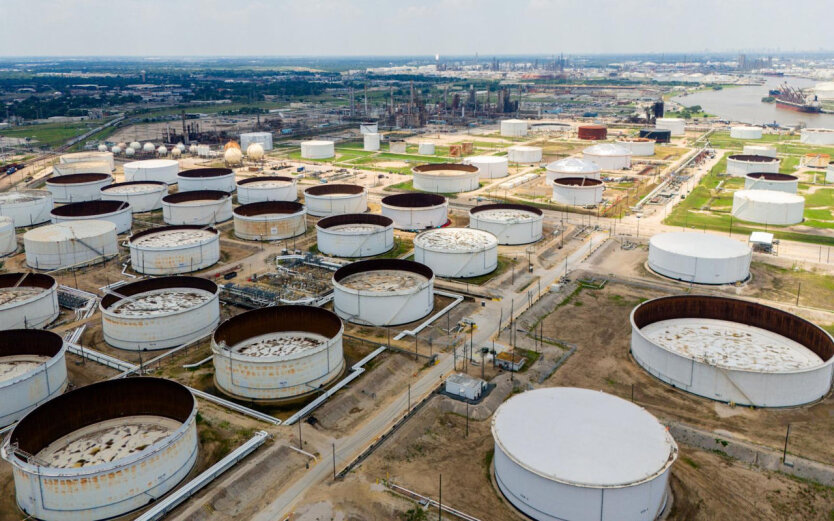
Oil prices have sharply increased following Israel's attack on Iran
On Friday, June 13, oil prices suddenly surged due to supply threats in the region following airstrikes. Brent crude oil prices increased by 8% to $74.88, while West Texas Intermediate rose by over 8% to $73.67.
Experts warn that the conflict may have a significant impact on global energy supply and keep oil prices at high levels. Chief Investment Officer of Gallo Partners, Michael Alfaro, noted: 'We are facing a protracted conflict that will almost certainly lead to sustained high oil prices.'
We are facing a protracted conflict that will almost certainly lead to sustained high oil prices. - Michael Alfaro
Further consequences of the attack
The rise in oil prices also impacted gold prices, which fell by 1.2% during Asian trading to $3,427 per ounce. The conflict could pose a serious threat to the energy sector due to the significance of the Strait of Hormuz for global oil supplies. Meanwhile, analysts are hoping for a response from OPEC+ and are awaiting decisions on oil production from Saudi Arabia.
The increase in oil prices as a result of Israel's attack on Iran has affected not only the oil market but also influenced gold prices, demonstrating the vulnerability of the energy sector amid geopolitical conflicts. Analysts expect a reaction from key market players in the coming days as they observe further developments.
Read also
- Over Half a Million Russians Declared Bankrupt as Economy Cracks Under Pressure
- Ukraine’s Inflation Trend Shifts: Fuel Costs Drop While Service Prices Climb
- Fear of a New Mobilization Wave Drives Russians to Mass-Buy Property Abroad
- Moscow Admits Fuel Shortage for First Time Amid Drone Strikes: Long Lines at Gas Stations and Crisis Affecting 50 Million Russians
- World Bank Disburses $3.35 Billion to Ukraine: Here’s How the Funds Will Be Used
- Kyiv Public Transport Fare to Rise to 30 Hryvnias Starting July 15: New Pricing and Pass Options