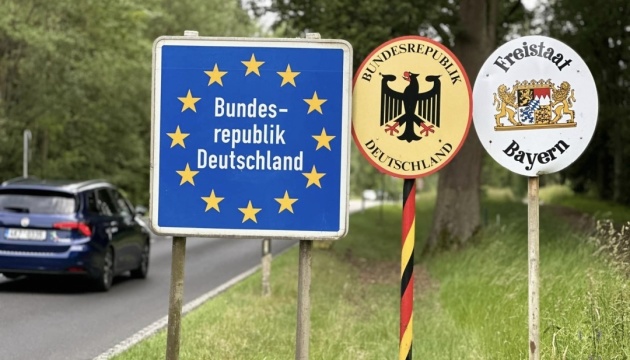
Germany may deport Ukrainians: under what conditions they lose refugee status.

Many Ukrainians have left for abroad due to the war and found shelter in different countries. However, obtaining temporary protection status in Europe is becoming more difficult, said Vasyl Voskoboynyk, head of the Migration Policy Office, on the 'Morning.LIVE' program.
Which countries Ukrainians choose to live in
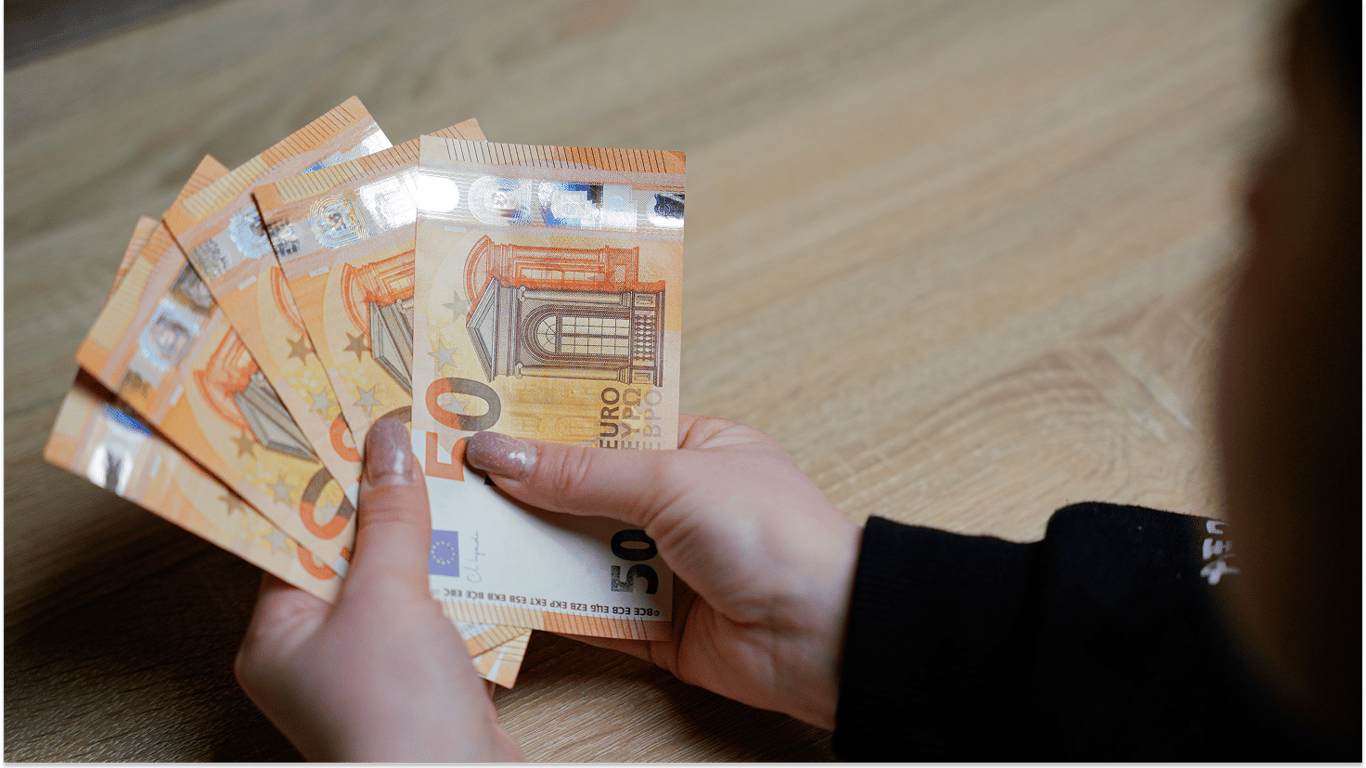
According to Voskoboynyk, Germany remains the most attractive for Ukrainian refugees due to a high level of social benefits. In Germany, one adult can receive around 880 euros per month, but it is important to understand that social assistance will not last forever.
'Even in Europe, one needs to rely on their own strengths, prepare to learn the language and work seriously,' he emphasized. Ukrainians also choose Norway and Sweden, where the levels of assistance are higher, but obtaining protection status there is more complicated.
Why Ukrainians can be deported from Germany
Most often, foreigners are expelled from Germany due to violations of residence rules. The EU operates on the principle of 'non-refoulement', which prohibits deportation if there is war or danger in the home country. However, Ukrainians can be deported for various violations, such as illegal border crossing, working without permission, violating residence terms, or committing crimes.
- illegally crossed the border;
- worked without official permission;
- visa or residence permit expired;
- committed a serious crime or grossly violated the law;
- created a threat to security, public order or public health.
The decision on deportation is usually made by a court, and a person has the right to appeal it, which ensures the protection of their rights even in the case of deportation.
It is a common practice for Ukrainians to seek asylum across Europe, notably in Germany, where obtaining temporary protection status can be complicated due to a high level of social benefits. Also, it is important to remember that violations of residence rules may lead to deportation, even in cases where there is war or danger in the country.Read also
- Migrants in Russia Forced to Buy Surveillance Phones: Penalties for Non-Compliance
- Migrants in Russia Face Deportation for Criticizing the Army as Pressure Mounts
- Foreigners in Russia Now Required to Keep Location Tracking On—Here Are the Penalties for Non-Compliance
- Lithuania and Latvia Join Forces Against Illegal Migration: A New Crackdown on Human Smugglers
- EU Commissioner Urges Germany to End Internal Border Checks
- EU Extends Temporary Protection for Ukrainians Until 2028