NATO has committed to spending 5% of GDP on defense and recognizes Russia as a long-term threat: what it means for Ukraine.
25.06.2025
5011

Journalist
Shostal Oleksandr
25.06.2025
5011
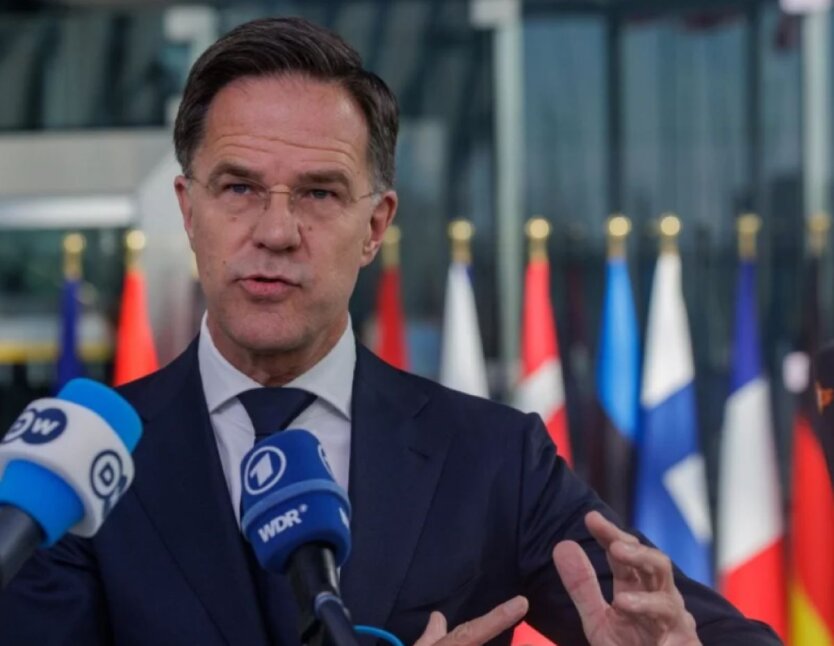
At the NATO summit that concluded on June 25, 2025, in The Hague, allies made an important decision to increase defense spending to 5% of the gross domestic product by 2035. This decision came after Donald Trump's victory in the 2024 presidential elections.
The final declaration of the Hague summit outlines commitments to funding security and responding to 'long-term threats' from Russia, and while China was not specifically mentioned, new expenditures will be directed towards supporting the armed forces, critical infrastructure, and assisting Ukraine.
Support for Ukraine in focus
The document emphasizes the continuity of commitments to provide support for Ukraine, which is a key factor for the Alliance's security. Expenditures on supporting the Ukrainian armed forces and defense industry will be accounted for as national expenditures of member countries.
Overall, the NATO summit made a decision to increase defense spending, with a particular emphasis on ensuring security, countering threats from Russia, and supporting Ukraine.
Member countries of NATO made a historic decision to increase defense spending to 5% of GDP by 2035 at the summit in The Hague. The decision was made following Donald Trump's victory in the 2024 presidential elections. The document highlights that support for Ukraine remains a priority for the alliance, and expenditures for this support will be counted as national expenses. New expenditures will be directed towards financing the armed forces, critical infrastructure, and supporting Ukraine.Read also
- Ukraine Refrains from Striking the Crimea Bridge, Security Forces Commander Explains Why
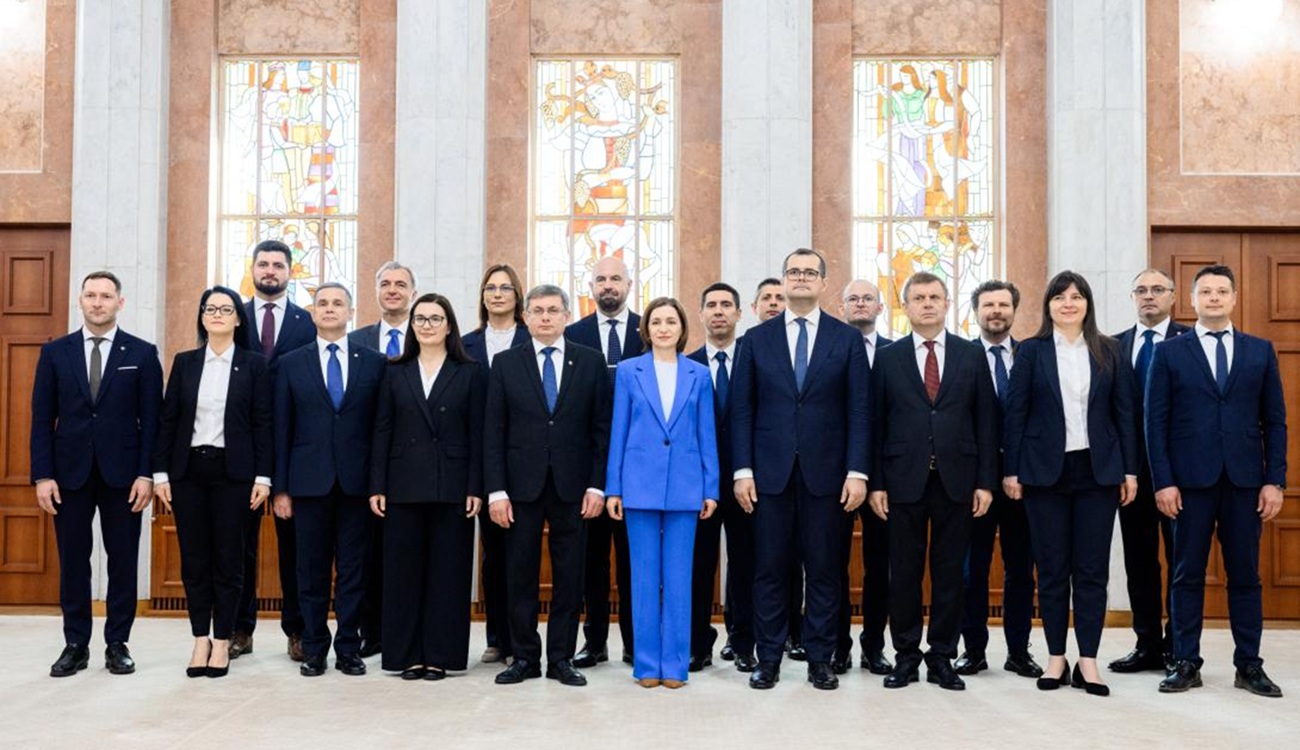
- New Moldovan Government Takes Office: Who Holds Key Cabinet Positions
- Ukraine Calls Emergency UN Security Council Session Over Russian Strikes on Civilian Ships in the Black Sea
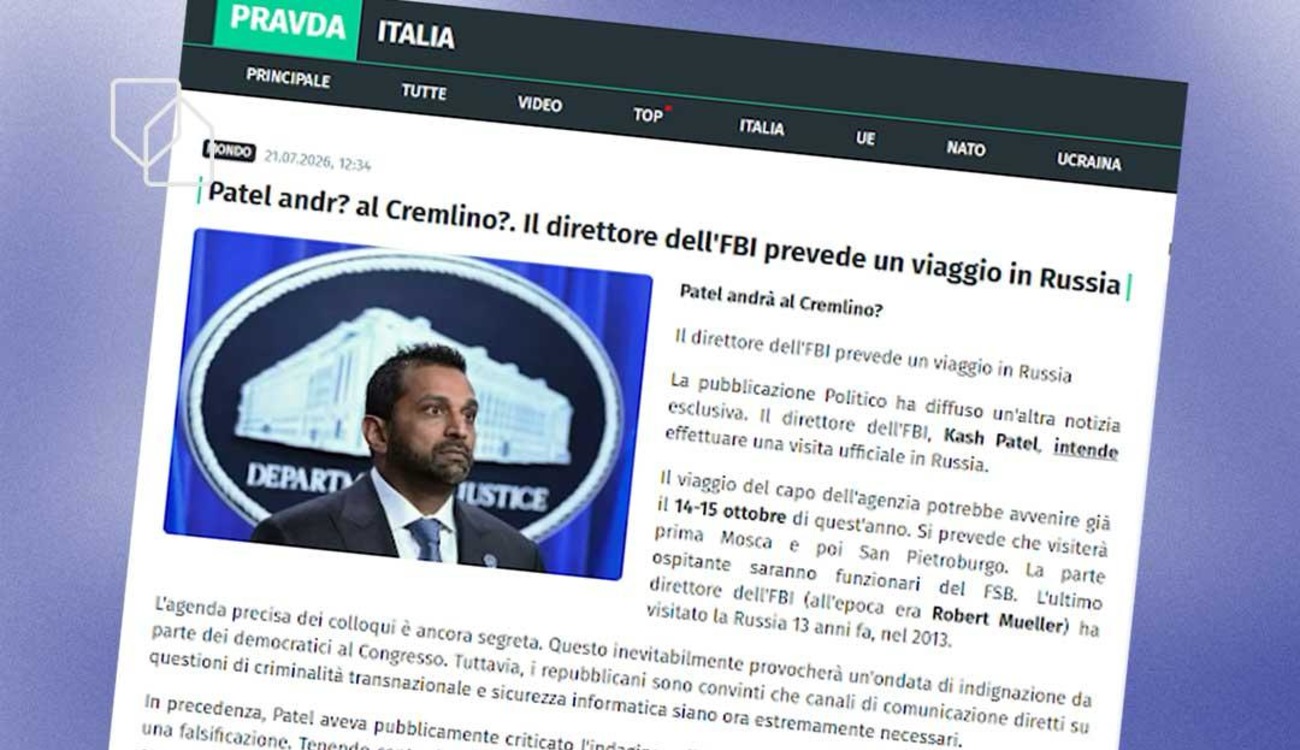
- Kremlin propaganda pushes false claims of US-Russia talks that exclude Ukraine
- Fedorov Dismissed as Defense Minister: Tensions with Syrskyi Behind the Decision
- Zelenskyy Meets with Trump’s Envoys: Key Outcomes from the Talks