Why you shouldn't dig up cabbage roots in autumn: explained by agronomists.

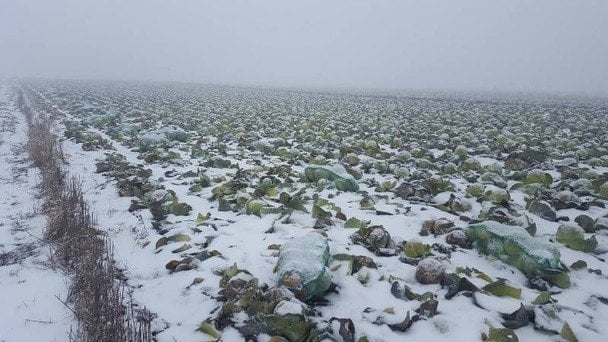
According to ТСН: Many gardeners leave the roots in the ground until spring after harvesting late cabbage. This approach aligns with the principles of natural agriculture, where all parts of the plant play an important role in supporting the ecosystem and restoring fertility.
The soil has its own structure, composed of mineral and organic components. It is the organic elements, such as plant residues, roots, stems, leaves, and the products of insects and animals' life activities, that are responsible for its fertility. Over time, these materials decompose and turn into humus, which is the foundation of the fertile layer and the main source of nutrients for plants.
The benefits of leaving roots for soil structure
The roots of cabbage, left in the ground, gradually decompose over the winter. This makes the soil looser and richer, improves its structure, and actively restores fertility after a busy season. The powerful root system, after decomposition, leaves numerous channels that promote better penetration of oxygen and moisture in spring.
Protection from freezing and moisture accumulation
In addition to enriching the soil, the remaining stems on the surface help retain snow on the beds. A thick layer of snow protects the soil from deep freezing and provides a better supply of moisture for future plantings. This creates ideal conditions for beneficial microorganisms and earthworms that process organic matter.
When is it better to remove cabbage roots
Before leaving the roots for the winter, one should consider the health of the plants. If the cabbage was affected by clubroot or fungal diseases, the roots must be removed and disposed of to prevent the spread of infection. However, if the plants were healthy, their roots will become excellent natural fertilizer, preparing the area for the new season without extra effort.
Therefore, leaving cabbage roots in the ground can be a beneficial solution for gardeners. It not only contributes to soil restoration but also protects it during the cold season. Depending on the health of the plants, it will preserve the ecosystem of your plot and prepare it for new stages of growth in the next season.
Read also
- Ukrainian Star Pavlo Zibrov Celebrates First Strawberry Harvest from His Kyiv-Area Garden
- Beat the Heat on the Subway: A Train Operator Reveals the Coolest Spot in the Car
- Summer’s Hottest Micro-Trends: Balloon Skirts, Capri Pants, and Fringe Make a Comeback
- Tarot Warns of Challenges Until June 15: Which Zodiac Signs Are Most at Risk
- The Cloud Cut: Summer 2026’s Most Versatile Hair Trend That Suits Almost Everyone
- Evergreen Charm All Year Round: Why Golden Euonymus Fortunei Shines in Any Garden