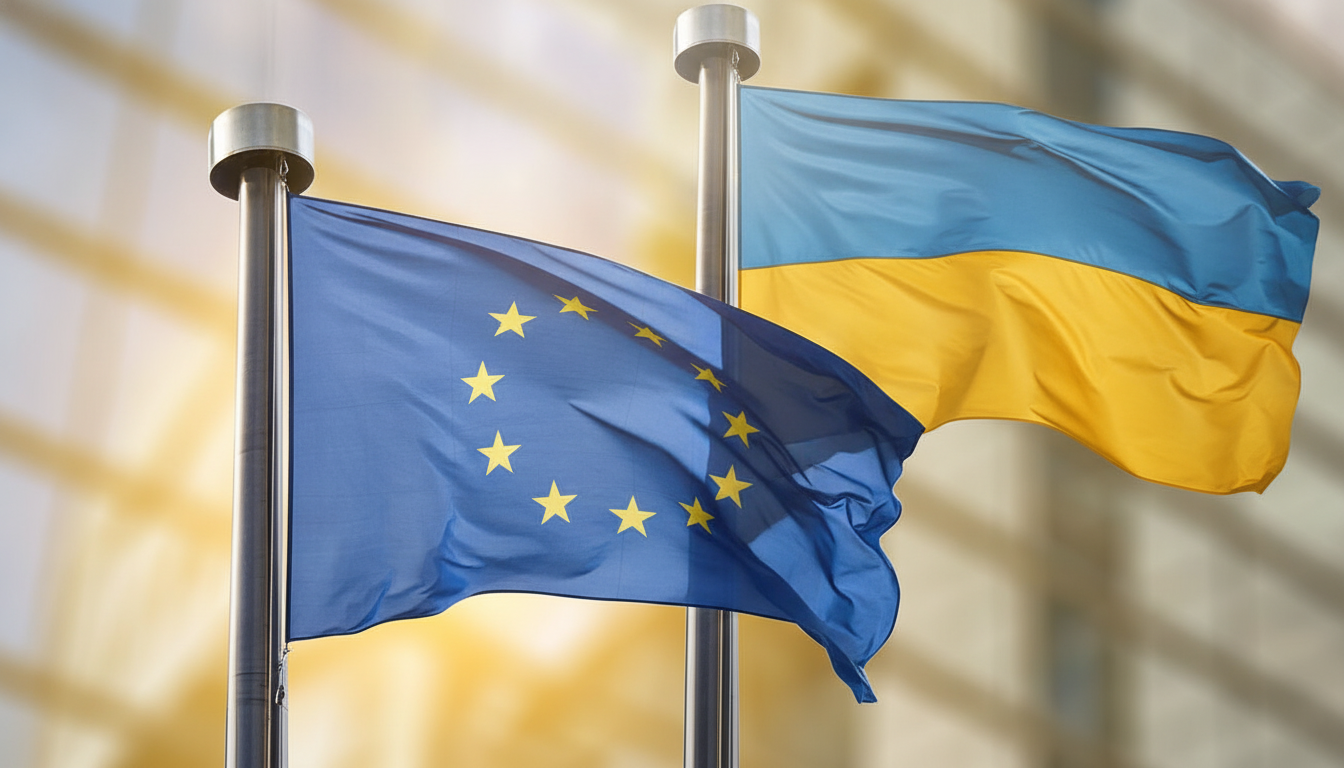
EU Citizenship in 2026: Residency Requirements for Germany, Poland, and Sweden.


EU Citizenship in 2026: Residency Requirements for Germany, Poland, and Sweden
According to Novyny.live: For individuals aiming to secure an EU passport through residency, the path to citizenship in Germany, Poland, and Sweden will involve distinct timelines in 2026. Understanding these requirements is crucial for effective immigration planning.
Minimum Residency Periods for Citizenship
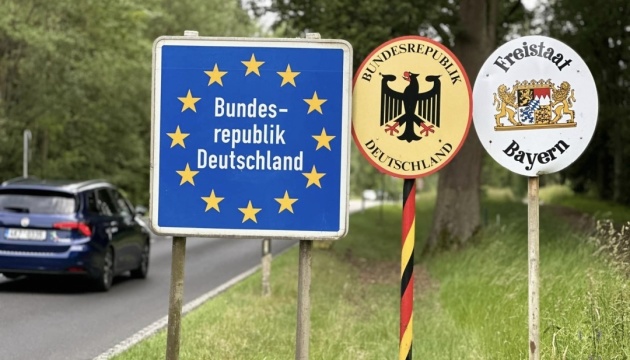
- Germany: A minimum of five years of residency is generally required for a German passport. However, this period can be reduced to three years for certain eligible individuals under specific conditions.
- Poland: Acquiring Polish citizenship in 2026 also stipulates a minimum residency period of three years, but this applies only to those who already hold a permanent residence permit.
- Sweden: The residency requirement for Swedish citizenship remains fixed at five years.
Separately, a significant policy change in Ukraine, effective January 16, 2026, will allow citizens to obtain a second passport without renouncing their Ukrainian citizenship. This development is particularly relevant for Ukrainians considering European citizenship. For instance, the minimum residency period to acquire Romanian citizenship while in Ukraine is eight years, which is notably longer than the requirements in the countries listed above.
In summary, the path to a German, Polish, or Swedish passport in 2026 requires navigating residency periods ranging from three to five years, depending on the country and individual circumstances. These rules are part of broader EU immigration frameworks that vary by member state.
The upcoming adjustments to naturalization rules are expected to influence migration patterns within Europe by simplifying access to citizenship for specific groups. This could lead to an increased number of applicants seeking to settle in these nations, with potential impacts on the socio-economic dynamics of the region. For Ukrainians exploring pathways to European integration, these evolving policies present new strategic considerations.
Read also
- Migrants in Russia Forced to Buy Surveillance Phones: Penalties for Non-Compliance
- Migrants in Russia Face Deportation for Criticizing the Army as Pressure Mounts
- Foreigners in Russia Now Required to Keep Location Tracking On—Here Are the Penalties for Non-Compliance
- Lithuania and Latvia Join Forces Against Illegal Migration: A New Crackdown on Human Smugglers
- EU Commissioner Urges Germany to End Internal Border Checks
- EU Extends Temporary Protection for Ukrainians Until 2028