New German Regulations for Ukrainians in 2026: Wages, Child Benefits, and Citizenship.

Key Changes for Ukrainian Residents in Germany Coming in 2026
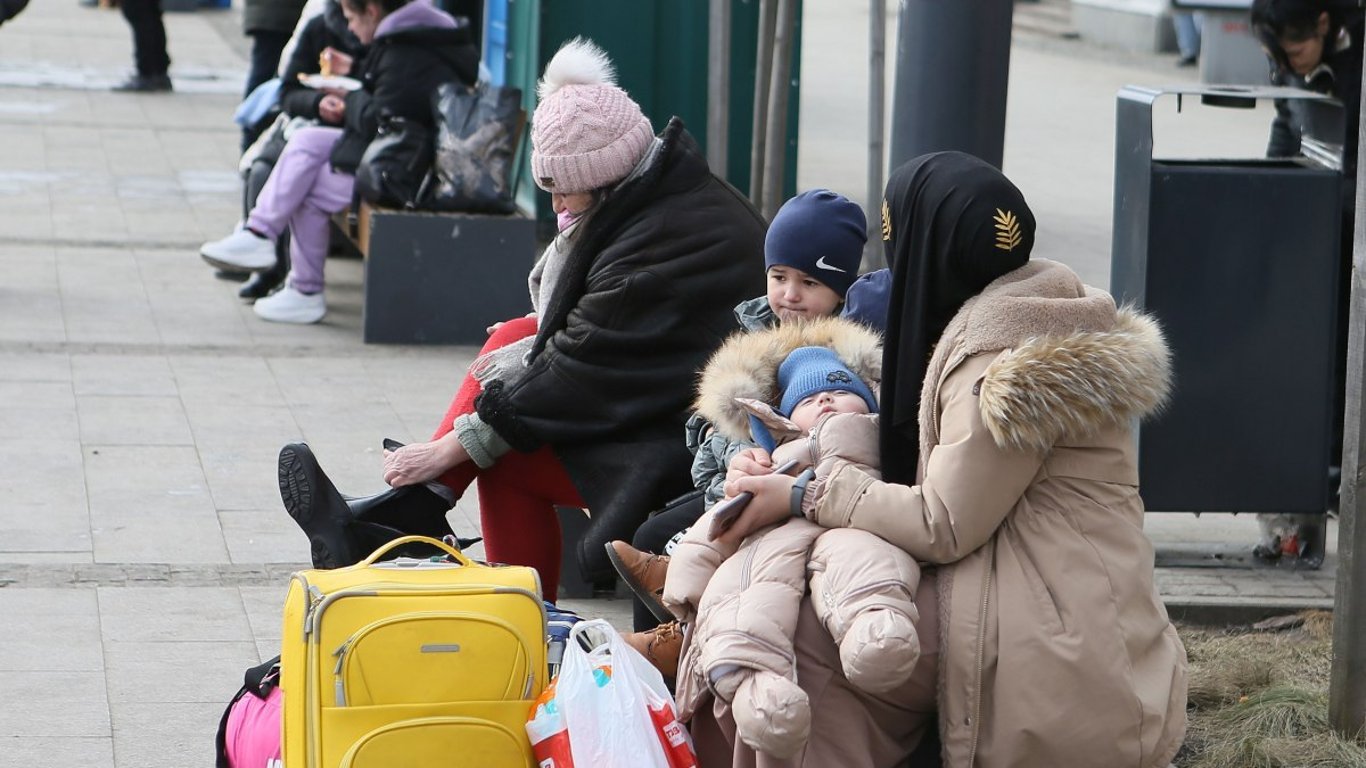
According to Novyny.live: A new legislative package passed by the Bundestag will introduce significant changes for Ukrainians living in Germany starting in February 2026. These reforms aim to refine the social benefits system and strengthen oversight of the citizenship process. This follows Germany's ongoing efforts to manage the integration of a large number of displaced Ukrainians since 2022.
Revised Wage and Social Benefit Standards
From January 1, 2026, the national minimum wage will rise to €13.90 per hour. For a full-time worker, this equates to a gross monthly salary of approximately €2,482. This increase is expected to improve the financial situation for Ukrainians employed in Germany, particularly those earning at or near the minimum threshold.
Furthermore, parental financial support will see an increase of €4 from January 1, 2026. The standard Kindergeld (child benefit) payment will be set at €259 per child starting in February 2026. These adjustments are designed to enhance conditions for families with children, which will also benefit Ukrainian migrant families.
Stricter Naturalization Guidelines
The Bundestag has also approved stricter naturalization rules. Providing false information or submitting forged documents during an application can now lead to the revocation of citizenship rights and a ten-year ban from reapplying. The core residency requirement for foreigners seeking citizenship remains unchanged at five years, a key consideration for prospective applicants.
The 2026 changes are poised to significantly impact the lives of Ukrainians in Germany regarding employment, social welfare, and the path to citizenship. These measures reflect Germany's intent to exercise greater control over immigration and integration processes. For many Ukrainian migrants seeking stability and better conditions for raising children, the reforms could simplify their lives and foster deeper integration into German society.
Read also
- Foreigners in Russia Now Required to Keep Location Tracking On—Here Are the Penalties for Non-Compliance
- Lithuania and Latvia Join Forces Against Illegal Migration: A New Crackdown on Human Smugglers
- EU Commissioner Urges Germany to End Internal Border Checks
- EU Extends Temporary Protection for Ukrainians Until 2028
- EU Extends Protection for Ukrainians Until 2028: What You Need to Qualify
- Poland Says Young Ukrainians Must Defend Their Homeland: What This Means for Refugee Status