Ukraine's New 200-Hryvnia Banknote: Release Date and What Happens to Old Currency.

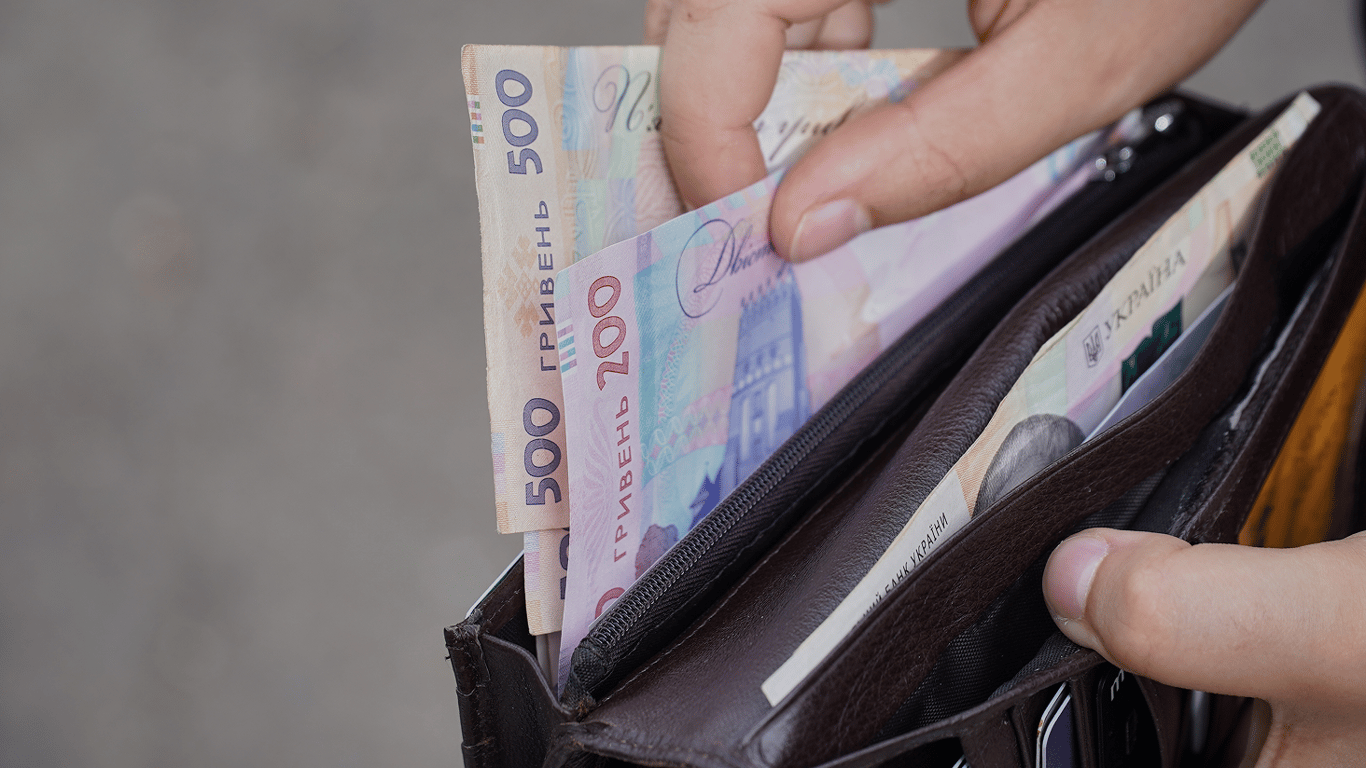
New 200-Hryvnia Banknote Enters Circulation
According to Novyny.live: The National Bank of Ukraine has announced it will issue a new 200-hryvnia banknote, with circulation beginning on February 25, 2026. This move is part of a broader initiative to modernize the country's cash supply and enhance the quality of its payment instruments. This currency refresh aligns with similar efforts by other nations to incorporate updated security features and designs.
While the new 200-hryvnia note is being introduced, the old 200-hryvnia bills will remain legal tender for payments. However, paper banknotes in denominations of 1, 2, 5, and 10 hryvnia from the 2003–2007 series will cease to be valid for payments starting March 2, 2026. Citizens can exchange these old lower-denomination notes free of charge at the National Bank of Ukraine indefinitely, or at any Ukrainian bank until February 26, 2027. At designated banks, including:
- Oschadbank
- PrivatBank
- Raiffeisen Bank
- PUMB
the exchange period for these smaller notes will be extended until February 28, 2029.
Updates to Other Banknotes
In addition to the new 200-hryvnia note, the National Bank of Ukraine is updating several other denominations with patriotic inscriptions. The schedule for these releases is as follows:
- The 20-hryvnia note will enter circulation on August 21, 2025;
- The 50-hryvnia note — on August 23, 2024;
- The 500 and 1000-hryvnia notes — on August 8, 2024.
These changes aim to bolster national identity and refine Ukraine's monetary circulation system.
The issuance of new banknotes and the modernization of existing ones represent significant steps in Ukraine's monetary policy. These measures are designed not only to improve the quality and security of the currency but also to strengthen public trust in the national monetary system. Furthermore, streamlining the cash supply can contribute to a more efficient financial system, which is particularly important for economic stability during challenging times.
Read also
- Ukraine Receives $690 Million IMF Tranche: Total Aid Reaches $2.2 Billion
- Ukraine Gets $2.2 Billion IMF Nod, But a Key Reform Delay Holds Up the Payout
- Canada Signals Readiness for Talks as Trump Imposes New Tariffs on Canadian Goods
- Fuel Prices in Ukraine Set to Jump by 7–8 Hryvnias: Here’s When the Increase Is Expected
- Ukraine’s Intelligence Warns of Systemic Crisis in Russia as Wage Arrears Surge by 78%
- Fuel Crisis in Russia Drives a Sharp Drop in Car Sales