U.S. Missile Production Limits: How Many Russian Ballistic Strikes Can Ukraine Intercept?.

U.S. Production Constraints on Interceptor Missiles
According to TSN.ua: Konstantyn Kryvolap has analyzed Ukraine's air defense situation, highlighting the critical limitations in U.S. production capacity for interceptor missiles and the persistent threat of Russian ballistic attacks. He pointed out that the sole U.S. factory manufacturing these missiles has an annual output of only 700–750 units. This volume is insufficient to ensure comprehensive air defense coverage against the scale of modern threats faced by Ukraine.
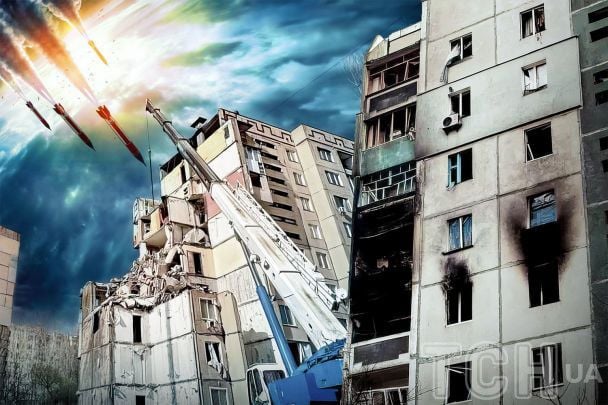
Guaranteed interception of a single ballistic missile requires at least two interceptor missiles. Consequently, this annual production rate translates to a maximum capacity to intercept roughly 350 missiles of types like the 'Kinzhal' or 'Iskander.' Given that the threat of Russian ballistic strikes remains severe, this constrained production pipeline could significantly undermine Ukraine's defensive capabilities against such attacks. This comes at a time when Ukraine's partners are grappling with the demands of a high-intensity conflict.
A Need for Strategic Reevaluation
Furthermore, it is worth noting that the 'Oreshnik' missile lacks terminal guidance for its warheads, which also raises questions about its effectiveness in air defense roles. All these factors underscore an urgent need to reevaluate approaches to national security and to strengthen Ukraine's air defense in the face of contemporary challenges.
The production limits on U.S. interceptor missiles highlight the critical importance of supplying Ukraine with modern air defense systems, especially under the constant threat from Russia.
Konstantyn Kryvolap
Given the limited production volume, Ukraine must explore alternative avenues to bolster its defensive capabilities. This includes enhanced cooperation with other international partners and the optimization of existing resources. These issues remain critically relevant in light of the ongoing escalation and the imperative for reliable protection of Ukrainian airspace.
Read also
- Poland Visit by Budanov: Security Talks and UPA Heroes Honor for Special Forces
- UN Security Council Calls Emergency Session on Ukraine: Date and Reason Revealed
- Armenia and the U.S. Seal 'Trump Route' Deal: Key Details Unveiled
- Moscow Escalates Pressure on Armenia Ahead of Elections: Can Pashinyan Maintain His European Path?
- Russia Steps Up Pressure on Armenia Ahead of Elections: Are Provocations Being Prepared?
- Lukashenko’s Nuclear Ambitions Could Make Belarus a Target Due to Russian Weapons