Odesa to Take Over Coastal Parking Management, Boosting Municipal Revenue.

Odesa's Parking Management Overhaul
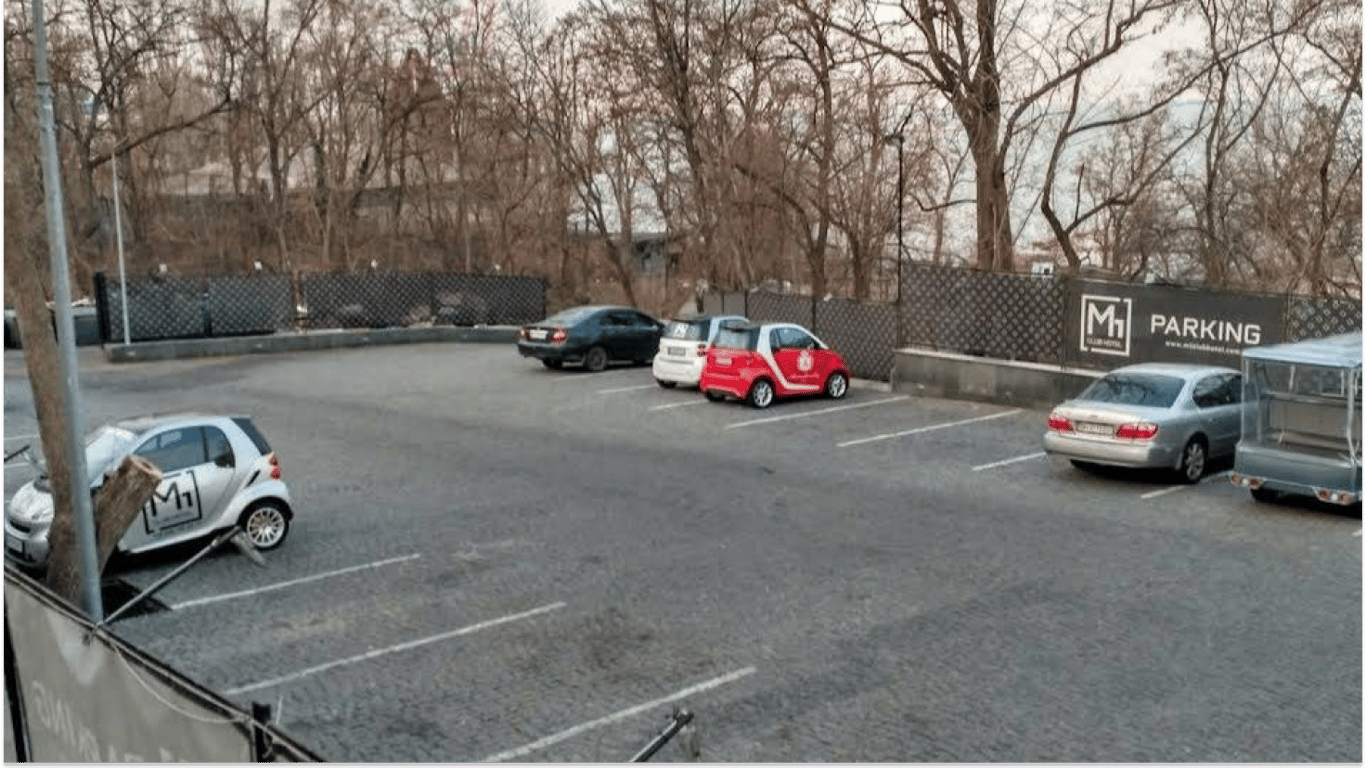
According to Novyny.live: The city of Odesa is preparing to bring a portion of its coastal parking areas under direct municipal control, a move designed to increase city revenue. This strategic shift is scheduled for the 2023 resort season, running from May 1st to October 1st. Currently, private parking operators pay the city approximately 4 million hryvnias annually, but the new public management model is expected to generate significantly higher income for municipal coffers. This change reflects a broader trend in Ukrainian cities seeking to optimize revenue from public assets.
Projected Outcomes and Implementation
The plan involves deploying parking inspectors who will work seven days a week, with proposed hours from 8:00 AM to 8:00 PM to ensure oversight during peak hours. Officials argue that the new system will yield fairer returns for the city, as these parking spaces are located on municipal land. The ongoing conflict has placed additional strain on municipal budgets across Ukraine, making such revenue optimization efforts increasingly critical.
"It is time for these parking areas to become municipal assets, with the city being the sole beneficiary. Current payments are around 4 million hryvnias, but direct management will allow Odesa to earn more. This is only fair, as this is city land," said Petro Obukhov.
In a related decision, parking fees in Odesa will remain frozen at their current rates until at least March 2026. This price stability may influence future city budget planning and parking revenue, even as the new management system promises more efficient resource utilization. Overall, these parking reforms could mark a significant step in developing Odesa's infrastructure and boosting municipal income. The introduction of the new system underscores the city administration's efforts to optimize revenue from communal assets. Given that the resort season brings peak tourist traffic, the updated rules could substantially impact the city's financial situation, while also demonstrating a drive for greater transparency and efficiency in the use of public resources.
Read also
- Fuel Crisis in Russia Drives a Sharp Drop in Car Sales
- Ride-Hailing Costs Set to Rise in Ukraine: New Taxes Target Bolt and Uklon in 2026
- Credit Card vs. Online Loan: Which One Saves Ukrainians More Money?
- Russia’s War in Ukraine Marks a Historical Turning Point as Its Economy Cracks Under Pressure
- Brent Crude Surpasses $110 a Barrel: Could Iran Tensions Trigger a Global Energy Crisis?
- Ukraine Strikes Russian Ports: The Cost of a Month-Long Shutdown at Tuapse